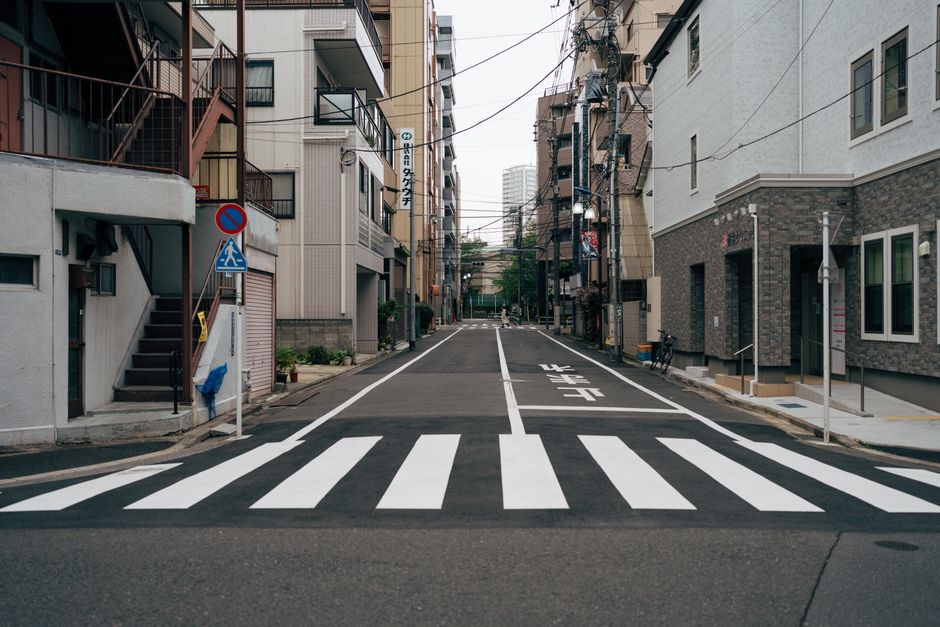
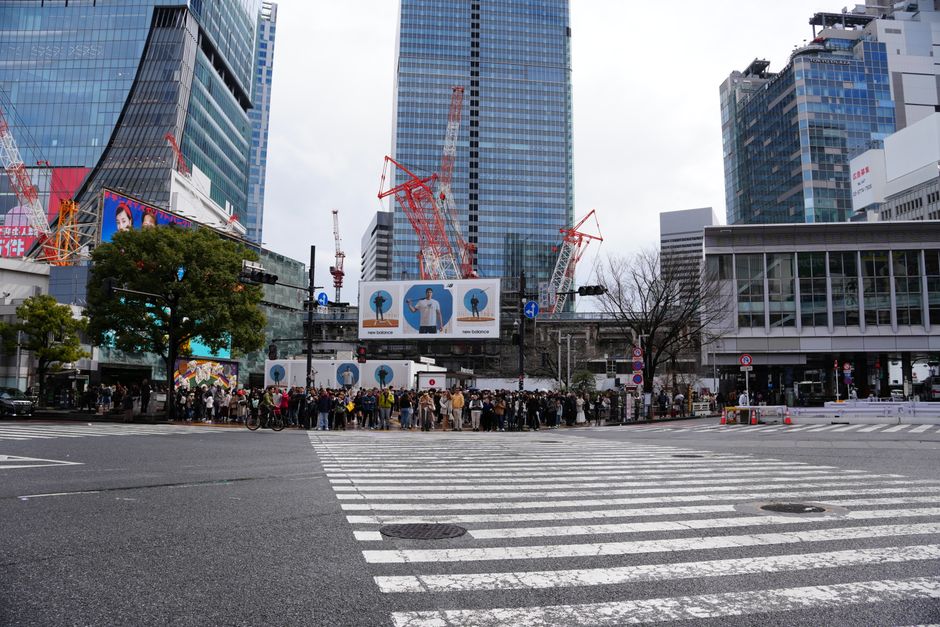
Walking through Shibuya's pedestrian crossing on a sweltering June afternoon, the need for Tokyo's latest sustainability drive becomes painfully obvious. Yet the city's expanding environmental initiatives—from district-wide renewable energy projects to neighbourhood waste reduction programmes—promise tangible benefits that reach far beyond temperature control.
The Tokyo Metropolitan Government's updated sustainability roadmap, unveiled earlier this year, commits to a 50 per cent reduction in greenhouse gas emissions by 2030. But what does this mean for the families living in Minato Ward's high-rise apartments or the small business owners along Omotesando?
Consider energy costs. Residents in Chiyoda Ward participating in the city's community solar programme—where households invest collectively in rooftop panels across municipal buildings—have seen electricity expenses drop by an average of 12 per cent annually. For a typical Tokyo household paying ¥15,000 monthly, that translates to real savings. The Chiyoda Solar Cooperative now has 847 members, with waiting lists growing.
The impact extends to neighbourhood character. In Setagaya Ward, the city's 'green corridor' initiative has transformed overlooked stretches of the Tamagawa Canal into accessible waterside spaces where residents now walk, cycle and socialise. Local restaurants report increased foot traffic; property values in adjacent blocks have risen 4.3 per cent since the project's 2024 launch.
Waste management programmes hitting Toshima and Koto wards demonstrate similar community dividends. Enhanced recycling infrastructure has reduced landfill waste by 28 per cent in pilot areas, while creating local jobs—Toshima alone has added 156 environmental monitoring positions filled primarily by neighbourhood residents.
Yet challenges remain. Implementation requires sustained investment: the metropolitan government allocated ¥2.8 trillion for climate action through 2030. Coordination between ward offices and private developers sometimes moves slowly. Shibuya residents, for instance, waited eighteen months for promised bike-lane expansion along Meiji-dori.
The real test lies in engagement. Sustainability initiatives fail without community buy-in. Tokyo's approach—linking environmental action directly to neighbourhood improvement, cost savings and quality of life—appears to be working. Town halls in Minato and Shinjuku wards report unprecedented attendance at sustainability planning sessions.
As Tokyo confronts rising heat, water scarcity and congestion, residents increasingly recognise that environmental action isn't distant policy—it's about making their streets safer, their homes cheaper to heat and cool, and their neighbourhoods more liveable. That message is resonating far beyond the city's centre.
This article was compiled by AI from the sources linked above and screened before publishing. See our editorial standards.