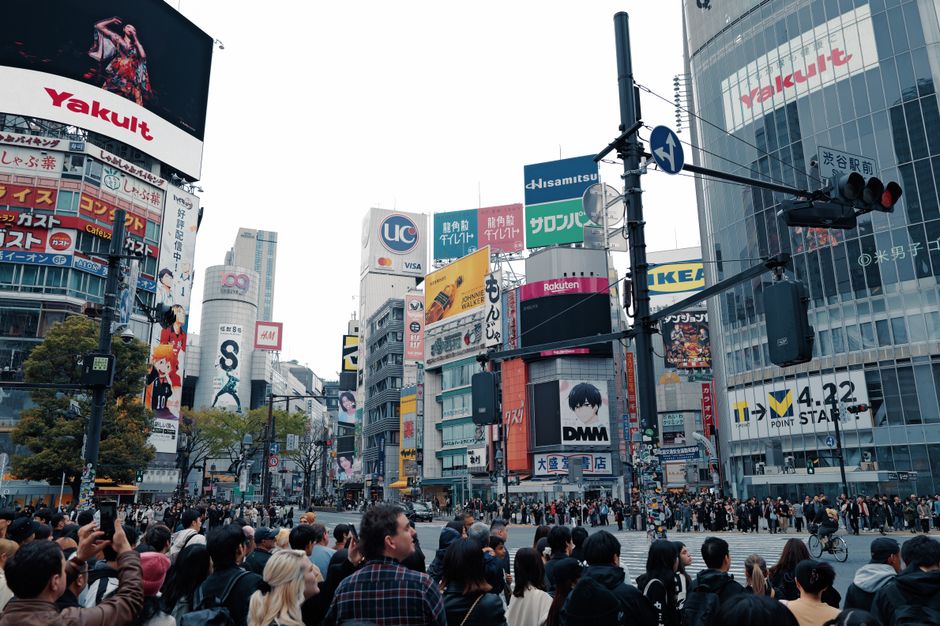
Tokyo's metropolitan government unveiled a sweeping administrative reorganisation proposal this week that threatens to reshape local governance across three central wards, with implications for everything from property taxes to neighbourhood waste collection schedules.
The plan, formally presented to the Tokyo Metropolitan Assembly, would merge Minato, Chiyoda and Shibuya wards into a single administrative entity by 2028—consolidating roughly 1.2 million residents and eliminating what officials argue are redundant municipal services. For residents, the impact could be immediate and disruptive.
"What concerns local business owners most is service fragmentation," said a spokesperson for the Roppongi Merchants Association, representing shop owners along the famous nightlife strip in Minato. During the public consultation period, merchants raised fears about inconsistent enforcement of zoning regulations and potential delays in processing business permits during the transition.
The proposal would reduce three independent ward offices—currently staffed at approximately 2,800 employees combined—into a single central administration with an estimated 2,100 staff members. While metropolitan officials tout this as efficiency, residents in residential areas like the Akasaka district worry about longer response times for local issues. Ward office operating hours, currently varying by location, would standardise under new protocols still being finalised.
Financially, the consolidation remains opaque. Minato residents currently pay one of Tokyo's highest residence tax rates at approximately 10% on municipal services, while Chiyoda residents enjoy lower rates due to robust corporate tax contributions from the financial district. How these disparities will be resolved under a unified system remains unclear.
Waste management presents another practical concern. Currently, three separate systems govern recyclables collection across the wards. The Shibuya Environmental Council raised questions about whether consolidation might reduce collection frequency in lower-density residential areas to subsidise more profitable central business zones.
Public transport connections offer one potential advantage. A unified ward administration could streamline coordination between local governance and Tokyo Metro operations, potentially improving service to underserved areas like parts of Takanawa and Minato's waterfront development zones.
The metropolitan government has scheduled community information sessions throughout July at venues including Minato's Sengakuji Station community hall and Shibuya's Omotesando cultural centre. Resident feedback will theoretically inform final recommendations to the Assembly by September.
For the average Tokyo resident, the question remains whether administrative consolidation prioritises cost-saving over neighbourhood accessibility—a tension that will define this city's governance for years ahead.
This article was compiled by AI from the sources linked above and screened before publishing. See our editorial standards.