How Chiyoda's Forgotten Shotengai Became Tokyo's Model for Neighbourhood Revival
The resurrection of Edo-dori shopping street shows how decades of decline can be reversed through grassroots commitment and strategic intervention.
The resurrection of Edo-dori shopping street shows how decades of decline can be reversed through grassroots commitment and strategic intervention.
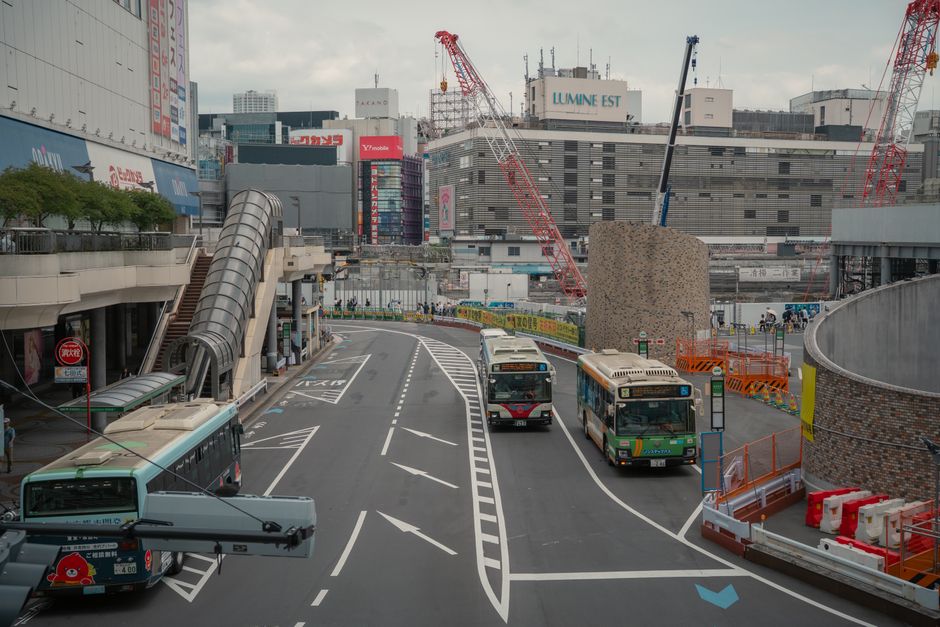
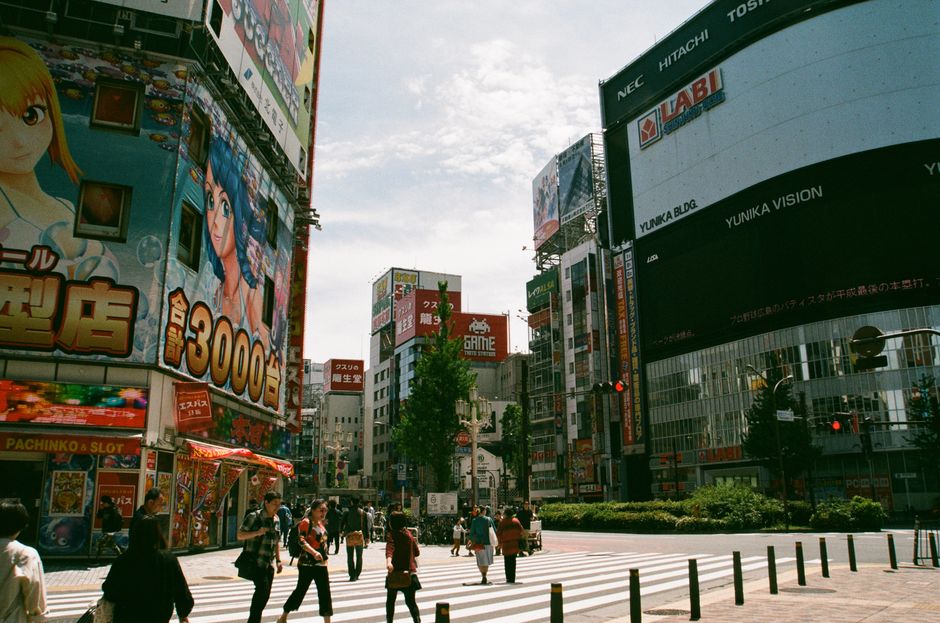
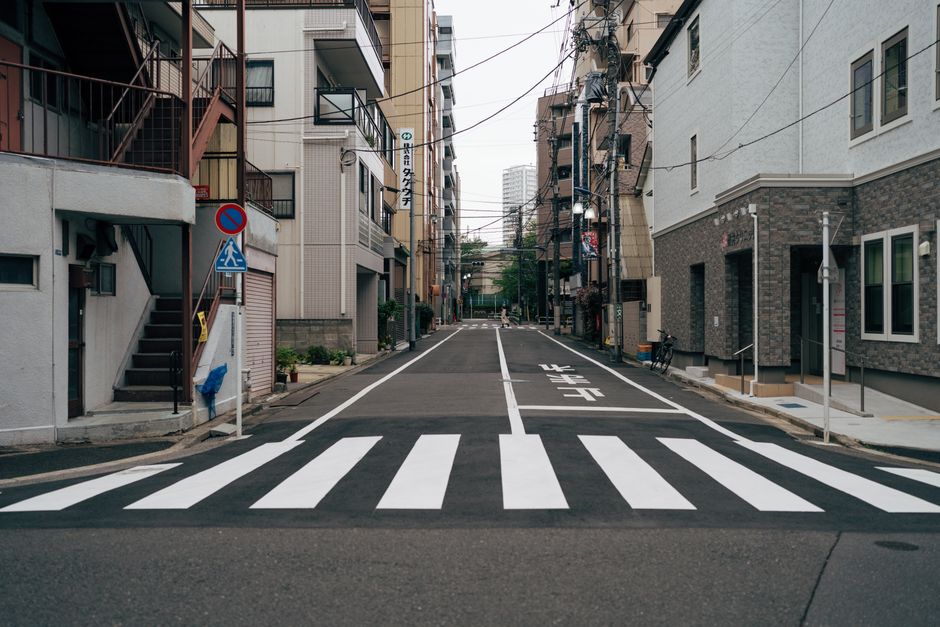
The Edo-dori shotengai in Chiyoda's Iwamotochō district didn't collapse overnight. Its decline was gradual, almost imperceptible to those not paying attention—a slow draining of vitality that began in the late 1990s when department stores proliferated and foot traffic patterns shifted toward Akihabara's electronics boom.
By 2015, the arcade's 47 storefronts had dwindled to 23. Rents that once commanded ¥800,000 monthly had fallen to ¥350,000. The average age of shop owners exceeded 68 years. For a decade, the Edo-dori Shopping Association existed mostly in name, its monthly meetings attended by fewer than five proprietors.
The turning point came in 2019 when the Tokyo Metropolitan Government's Bureau of Urban Development designated Chiyoda as a pilot district for its "Neighbourhood Renaissance" initiative. The programme offered subsidised consultation with urban planners and partial grants for storefront renovations. More importantly, it created structured dialogue between property owners, long-term residents, and the city administration—something that had been absent for years.
"We realised we weren't competing against Akihabara," explains one shop owner who has operated a tea merchant's stall on Edo-dori since 1987. "We were competing against invisibility." The association's revival in 2021 marked the first coordinated marketing effort in a generation. They launched an Instagram account. They held monthly evening markets. They invited young artists to use vacant spaces for pop-up galleries.
The results have been measurable. Since 2022, seven new businesses have opened—a craft coffee roastery, a vintage clothing boutique, and a traditional bookbinding studio among them. Average footfall increased 34% between 2021 and 2025, according to the Chiyoda Business Association. Rents have stabilised at ¥450,000–600,000 monthly.
What distinguishes Edo-dori's recovery is its authenticity. Unlike some Tokyo neighbourhood renovations driven primarily by property speculation, this one emerged from the existing community's determination to remain relevant. The average rent remains below nearby Nihonbashi, and most proprietors are still independent operators rather than chain franchises.
As Tokyo grapples with declining populations in inner wards and the homogenisation of commercial districts, Edo-dori's modest renaissance offers a template: grassroots initiative, patient capital, and genuine community input can arrest decline even in overlooked corners of the city.
This article was compiled by AI from the sources linked above and screened before publishing. See our editorial standards.
How does this story make you feel?
Spread the word
About this article
Published by The Daily Tokyo
Daily brief
Free, in your inbox before 7am. Weekdays.
More in News