Tokyo's push to become a carbon-neutral metropolis by 2050 is entering a critical phase, with municipal officials and environmental researchers now publicly acknowledging the gap between headline commitments and on-the-ground progress.
At a sustainability forum held last week in the Minato Ward government building, Tokyo Metropolitan Government representatives detailed a revised timeline for the city's 2030 emissions reduction targets. The revised plan, which aims for a 50% cut from 2000 levels, reflects what experts describe as a more realistic—if sobering—assessment of infrastructure transformation requirements.
"The challenge isn't political will," said Dr. Kenji Yamamoto, director of the Urban Sustainability Research Institute at Waseda University. "It's the physics of transitioning a city of 14 million people. We're talking about fundamentally restructuring how Tokyo moves, how it disposes of waste, and how it sources energy."
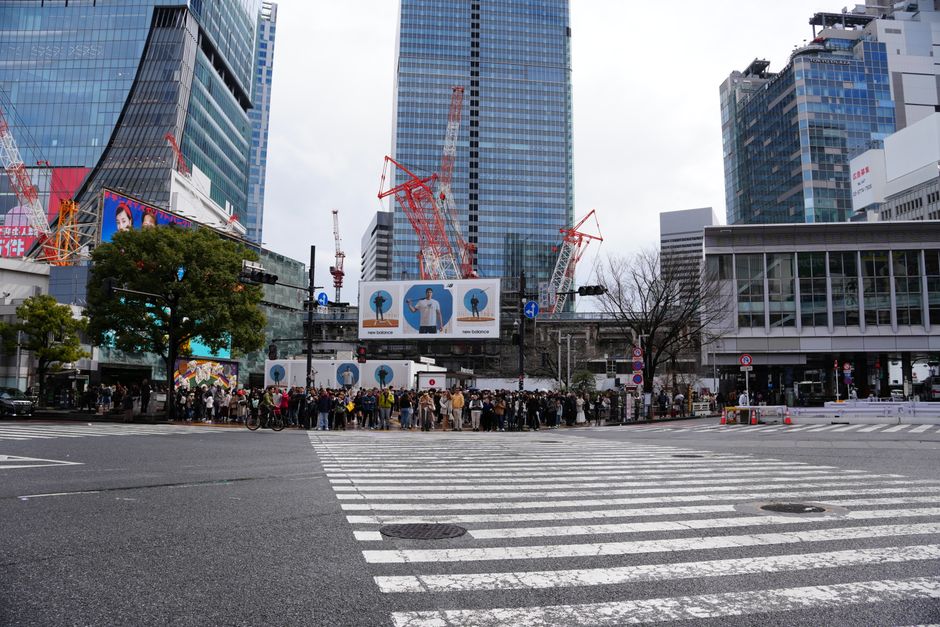
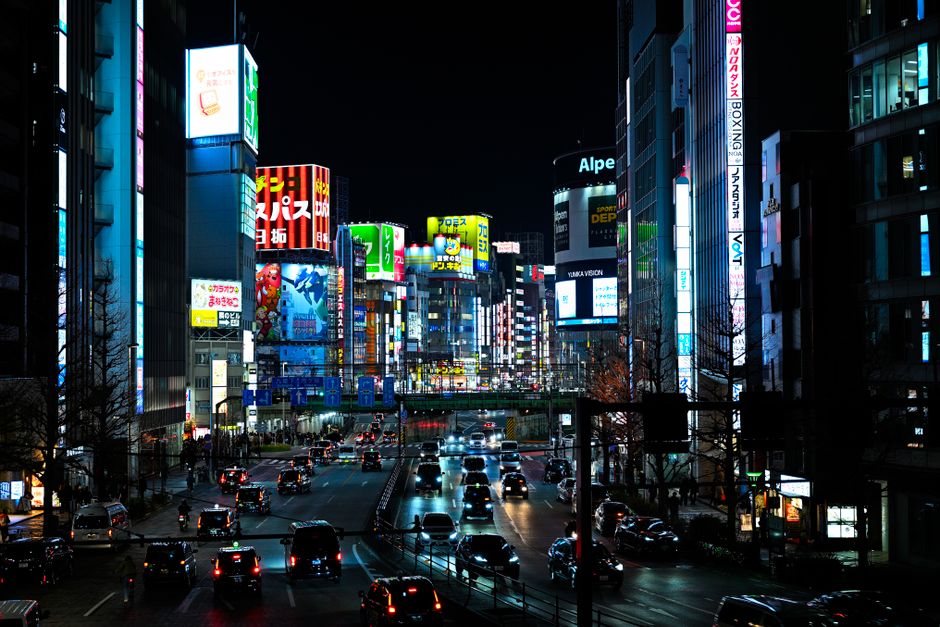
Transportation dominates the conversation. While the metropolitan government has invested heavily in expanding electric bus fleets along major corridors—including the routes serving Shibuya and Shinjuku—officials acknowledge that Japan's aging demographic profile complicates projections. Current EV bus penetration sits at roughly 12% of the city's 2,300-strong fleet, far below earlier estimates.
The waste management sector presents another bottleneck. Tokyo's 23 special wards collectively process approximately 9 million tonnes of waste annually. Recent initiatives to expand recycling infrastructure in neighborhoods like Setagaya and Chiyoda have yielded modest results—approximately 15% improvement in recyclable material capture over three years, according to city data presented at the forum.
Perhaps most significant is the energy transition challenge. Despite Japan's post-Fukushima pivot toward renewable sources, Tokyo remains dependent on thermal power and imported liquefied natural gas. Metropolitan government officials stated that meeting renewable energy targets would require unprecedented investment in offshore wind infrastructure and rooftop solar deployment across the city's commercial districts.
Dr. Yamamoto cautioned against treating sustainability as a solely technical problem. "Policy, economics, and public behavior change are equally critical," he noted. "You can build the infrastructure, but if citizens don't use it, or if corporations don't invest in efficiency, targets remain theoretical."
City officials have committed to quarterly progress reports, with the next comprehensive review scheduled for September. Meanwhile, researchers at Tokyo Institute of Technology are developing predictive models to identify which districts face the steepest decarbonization challenges—data expected to inform more granular policy interventions in 2027.
This article was compiled by AI from the sources linked above and screened before publishing. See our editorial standards.