Shibuya's aging shopping streets face crucial junction: preserve tradition or embrace redevelopment
As property values surge and shop owners retire, Tokyo's iconic neighbourhood must decide between heritage conservation and modernisation.
As property values surge and shop owners retire, Tokyo's iconic neighbourhood must decide between heritage conservation and modernisation.
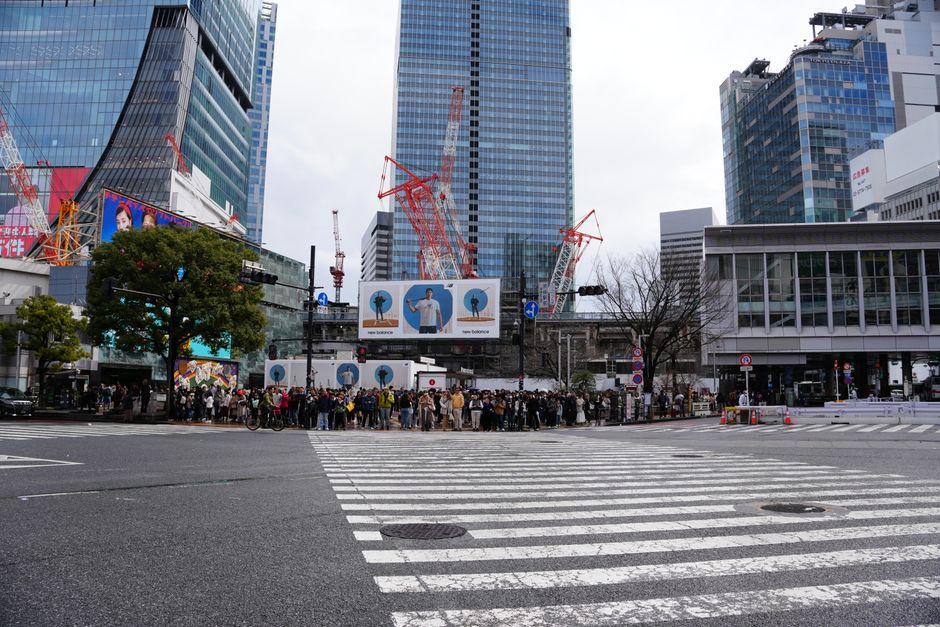
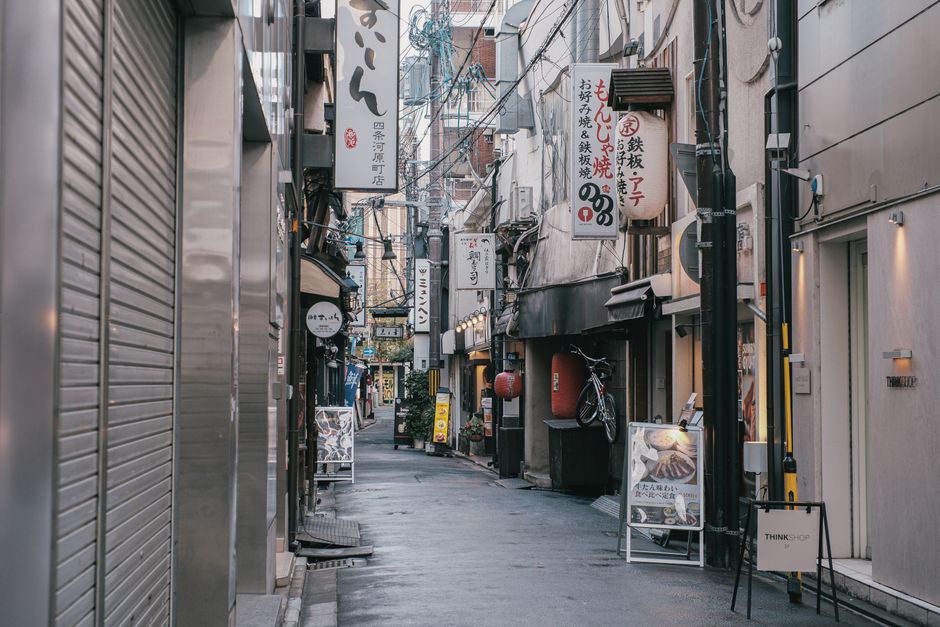
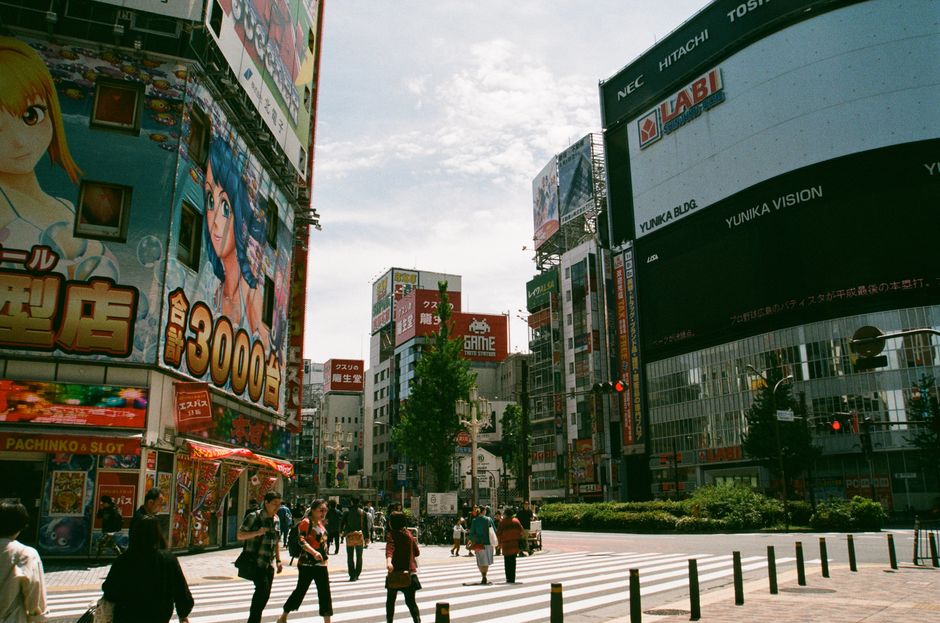
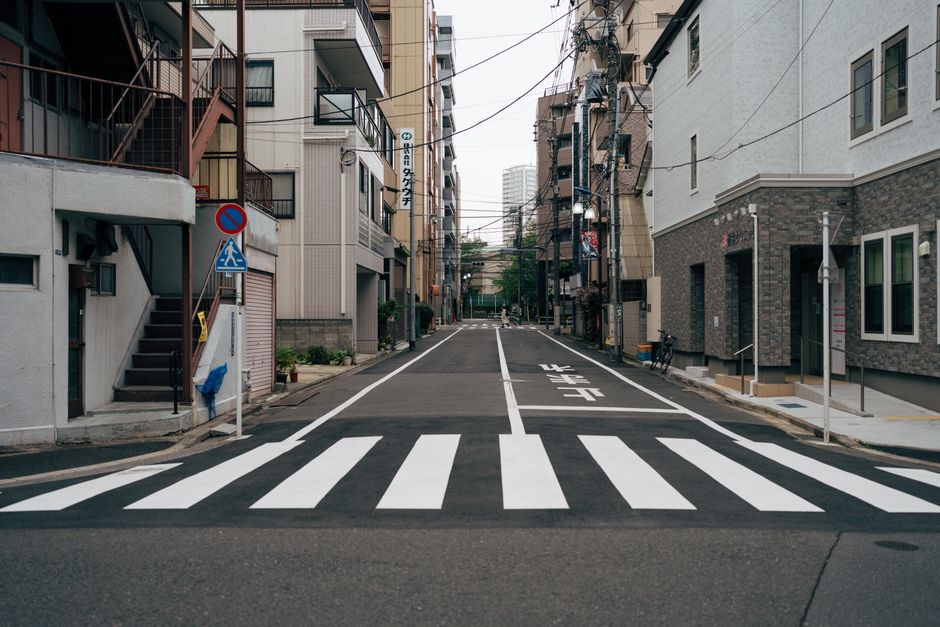
Along Omotesandō and the narrow lanes threading through Shibuya's eastern precincts, a generational reckoning is underway. The shotengai—those intimate shopping arcades that have anchored neighbourhood life since the 1960s—stand at a crossroads that will define Tokyo's urban character for decades ahead.
The numbers tell a stark story. According to the Tokyo Metropolitan Government's 2025 retail survey, vacancy rates in traditional shopping streets have climbed to 18 percent, up from just 8 percent a decade ago. Meanwhile, average shop owner age has reached 67, with fewer successors stepping forward. Real estate prices around Shibuya Station have doubled in five years, pressuring landlords to consider higher-yield developments.
This week, the Shibuya Ward Council's Urban Planning Committee must decide whether to green-light a major rezoning proposal affecting the Jinnan and Tomigaya districts. The decision hinges on a fundamental question: should the city incentivise preservation of heritage commercial spaces, or allow market forces to reshape the streetscape?
Stakeholder positions have crystallized. The Shibuya Shotengai Federation, representing 340 small retailers, is pushing for tax breaks and subsidized rent to keep independent shops viable. The Tokyo Metropolitan Foundation for History and Culture supports designating ten key shopping streets as protected heritage zones. Conversely, major developers argue current regulations stifle innovation and argue new mixed-use projects would generate jobs and tax revenue.
The ward council faces tangible choices. Option one: implement a preservation ordinance requiring 40 percent of ground-floor retail space in new developments to remain affordable for independent operators. This would likely slow redevelopment but stabilise communities. Option two: allow market-driven transformation with voluntary heritage incentives—faster change, uncertain outcomes for existing residents. Option three: a hybrid approach with zoning restrictions in core heritage zones while permitting development in buffer areas.
Public consultation revealed sharp divides. Long-time residents and neighbourhood associations favour preservation, citing cultural continuity and social cohesion. Younger professionals and property investors advocated flexibility, emphasizing economic dynamism and modern amenities.
The decision arrives amid broader Tokyo anxieties. As the city ages and younger generations relocate to suburban areas, neighbourhood vibrancy faces real pressure. Yet aggressive preservation without economic viability risks creating museum-like streetscapes disconnected from living communities.
When the committee votes next week, they're not simply deciding zoning regulations. They're determining whether Tokyo's intimate neighbourhood fabric survives rapid urbanisation, or whether the city's character becomes increasingly homogenized around corporate brands and chain retailers.
The outcome will ripple across dozens of other Tokyo neighbourhoods facing identical pressures.
This article was compiled by AI from the sources linked above and screened before publishing. See our editorial standards.
How does this story make you feel?
Spread the word
About this article
Published by The Daily Tokyo
Daily brief
Free, in your inbox before 7am. Weekdays.
More in News