When Tokyo's metropolitan government unveiled its revised housing and urban planning framework last month, few ordinary residents realized they were witnessing decisions that would reshape their neighbourhoods for decades. Yet the implications are already rippling through districts like Shibuya, Shinjuku, and the traditionally quieter residential enclaves of Setagaya ward.
The new policy loosens restrictions on mixed-use development in residential zones, allowing more apartment buildings to incorporate commercial spaces on lower floors. For property developers, it's an opportunity. For residents, it's far more complicated.
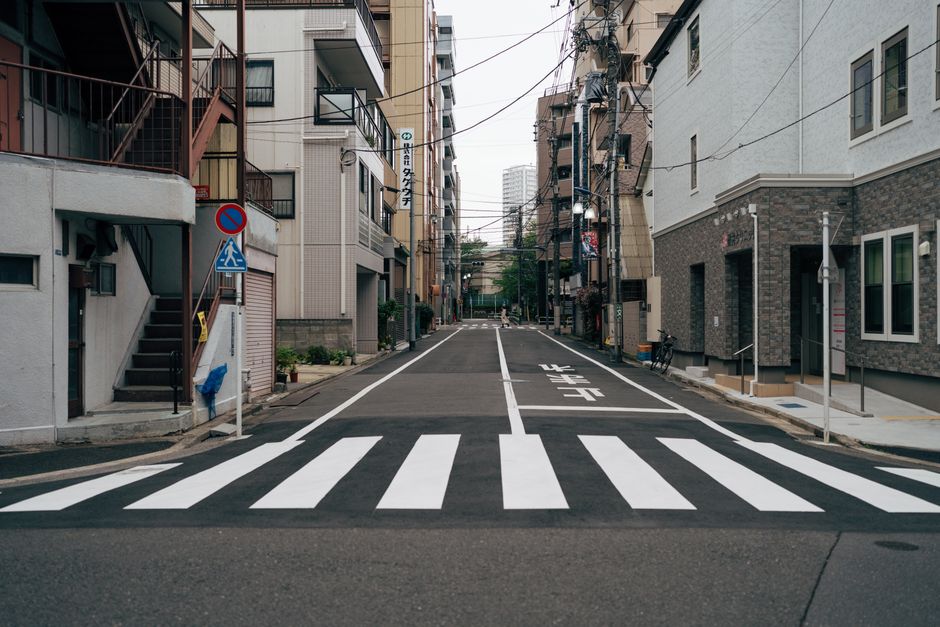
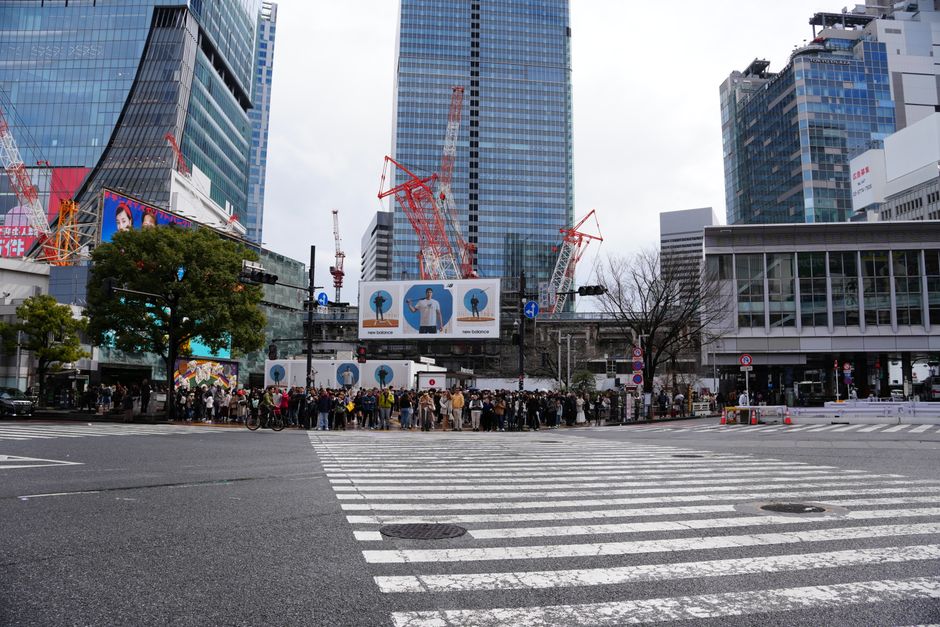
Take Meiji-dori's eastern corridor in Shibuya, where three-storey family homes and small local shops have coexisted for decades. Under the revised zoning, developers can now construct buildings up to 15 storeys in previously restricted areas. While this theoretically increases housing supply in a city where the average one-bedroom apartment costs ¥95,000 monthly, it fundamentally alters neighbourhood character—and often displaces long-established businesses that cannot afford rising land values.
The Shibuya Ward Housing Association estimates that approximately 12 percent of the ward's small retailers—the neighbourhood coffee shops, family-run izakayas, and local clinics—could face closure or relocation within five years as landlords seek higher-margin tenants. These aren't just economic concerns; they're questions about who Tokyo is for.
Yet Tokyo's housing crisis is undeniably real. The metropolitan government's own data shows the city needs approximately 550,000 new residential units by 2030 to maintain affordability as the population stabilizes. Current construction rates fall significantly short. The policy gamble assumes that increased supply will eventually moderate costs—a theory debated among urban planners but supported by necessity.
In Shinjuku ward's quieter residential pockets near Yotsuya, community leaders are exploring compromise positions: encouraging mid-rise development (eight to ten storeys) rather than towers, requiring developers to preserve ground-floor retail space for existing businesses, and mandating affordable unit quotas in new construction.
The Tokyo Metropolitan Government has established consultation periods through August, with neighbourhood meetings scheduled across affected wards. For residents concerned about preservation, gentrification, and community cohesion, these aren't abstract policy discussions—they're about whether Tokyo remains a city where longtime residents can afford to stay, and where the neighbourhood institutions that define urban life survive.
That's why local voices matter now, before the blueprints become concrete.
This article was compiled by AI from the sources linked above and screened before publishing. See our editorial standards.