The Tokyo Metropolitan Government's decision this month to relax zoning restrictions in 47 designated districts marks a watershed moment for how the city will evolve over the next decade. For residents living in areas like Shibuya, Shinjuku, and the increasingly pressured neighbourhoods around Ikebukuro Station, the implications are immediate and profound.
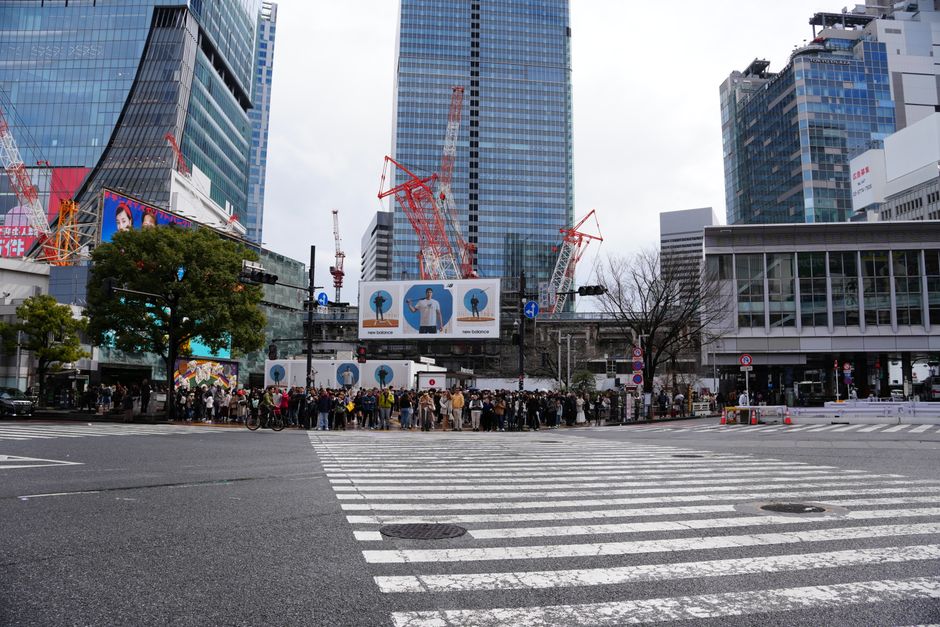
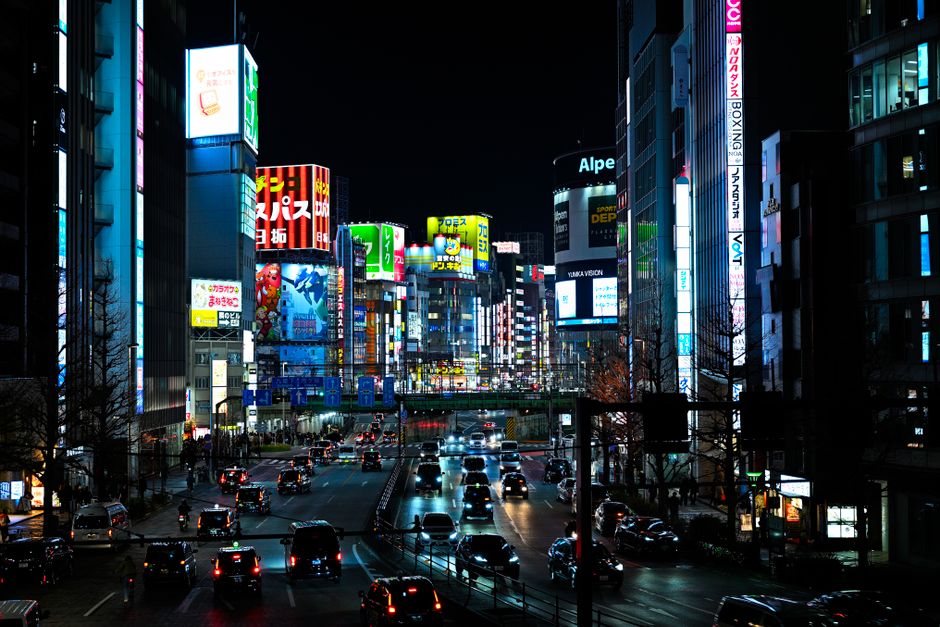
The new policy allows property owners to mix residential units with commercial and office spaces more freely—a departure from Japan's historically rigid separation of land uses. On paper, this sounds efficient. In practice, it reshapes entire communities overnight. A five-storey apartment building on Meiji-dori in Shibuya could become a hotel-residential hybrid. A family-run soba restaurant on a side street in Shinjuku might be displaced by mixed-use development that prioritises profit over heritage.
Housing costs tell the real story. Average monthly rent for a one-bedroom apartment in central wards has climbed 23 percent over five years, according to real estate data analysed by local housing advocacy groups. For teachers, nurses, and service workers who keep Tokyo functioning, affordability has become a crisis. The new rules do allow for residential components in developments, but they don't mandate affordable units. Developers will build what maximises returns, not community stability.
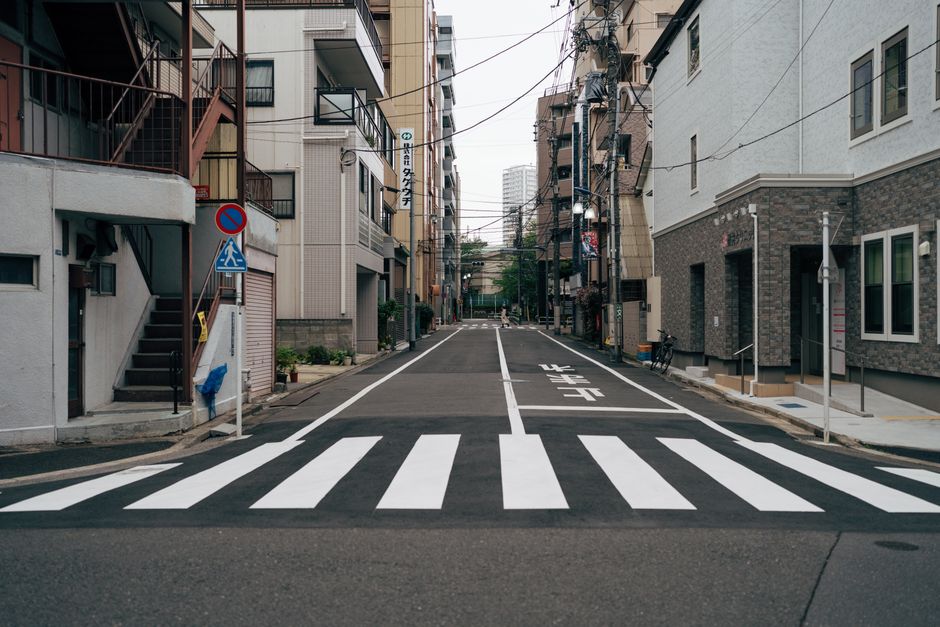
Neighbourhood character matters too. Chiyoda-ku's Yotsuya district has long been valued for its quiet residential blocks interspersed with small shops and family establishments. The zoning changes create incentives to consolidate properties and redevelop at higher density. Small landlords, unable to resist offers from developers, sell. Decades of social fabric unravel within months.
The government argues these reforms address Tokyo's shrinking population and aging housing stock. Some developments will genuinely benefit communities—new transit connections, improved infrastructure, mixed-income housing. In Shibuya's designated zones, careful planning could prevent the Disney-fication that's already consumed parts of Harajuku.
But success requires oversight the city hasn't consistently demonstrated. Community councils in wards like Minato and Taito report minimal consultation before approvals. Residents deserve genuine input on how their neighbourhoods transform, not retroactive notification.
The next 18 months will be critical. As developers begin projects under these new rules, Tokyo residents must demand transparency and accountability. Housing policy isn't abstract urban planning—it's about whether your children can afford to live where they grew up, whether local businesses survive, and whether Tokyo remains a city for all Tokyoites or just the wealthy. The decisions being made now will define those answers for a generation.
This article was compiled by AI from the sources linked above and screened before publishing. See our editorial standards.