Tokyo's Metropolitan Government unveiled sweeping revisions to its Urban Planning Code this week, loosening restrictions on residential density across Minato, Shibuya, and Chiyoda wards. The move aims to ease Japan's acute housing crisis, but residents in established communities are bracing for significant upheaval.
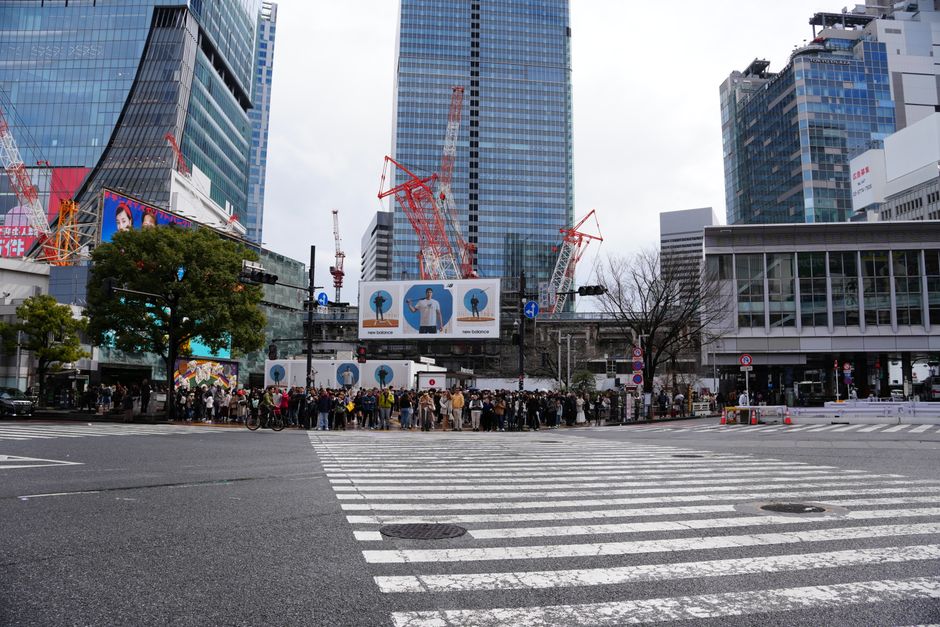
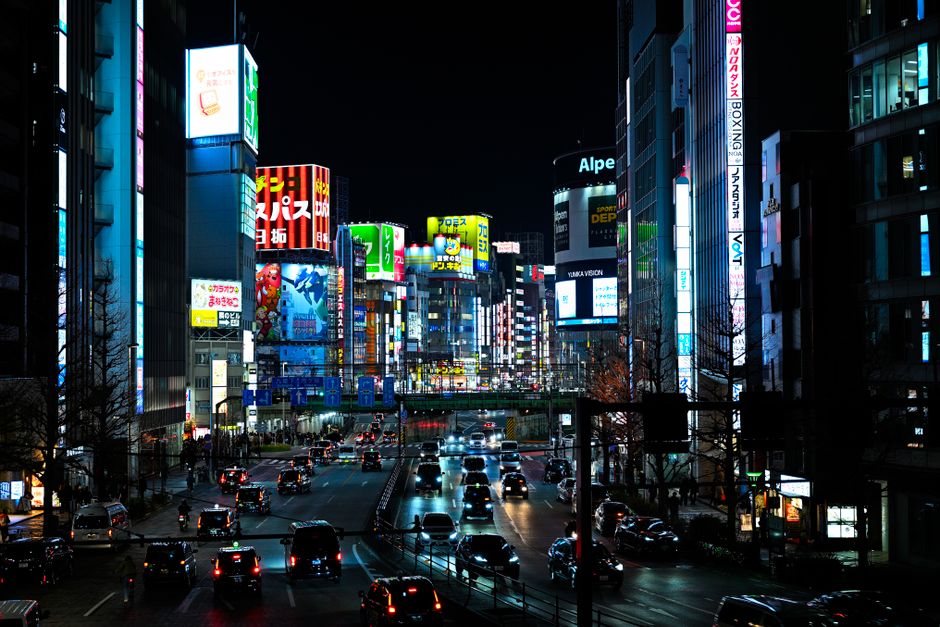
The policy permits developers to construct apartment buildings up to 20 storeys in previously restricted zones—including pockets of Roppongi, Azabu-Juban, and along the Chiyoda Line corridor. For context, average apartment rents in central Tokyo have climbed 23 percent over five years, with a modest two-bedroom now exceeding ¥280,000 monthly in desirable areas.
"We're caught between two crises," says urban planning researcher Dr. Yuki Tanaka at Waseda University's Institute for Urban Studies. "Tokyo needs housing desperately—our working-age population is shrinking—but the pace and scale of these changes risk destroying the social fabric that makes these neighbourhoods liveable."
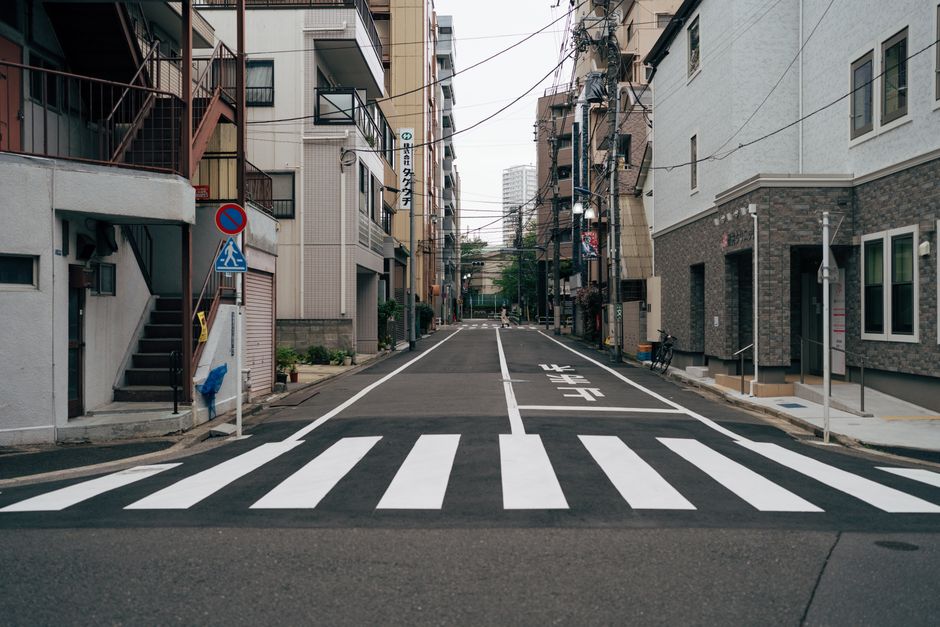
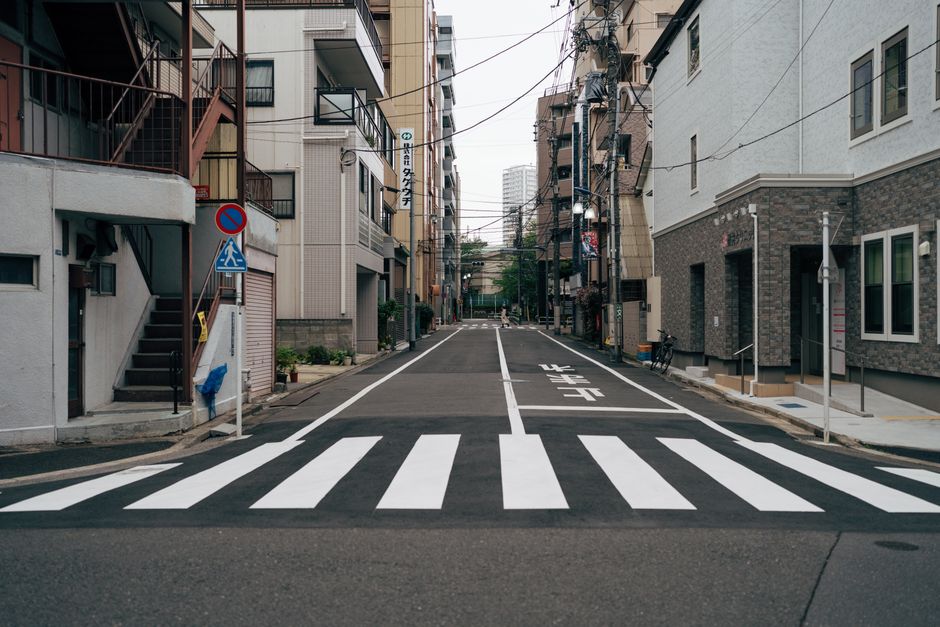
The neighbourhood of Hiroo exemplifies the tension. This quiet residential district, historically home to young families and retirees, now faces proposals for mixed-use towers near Hiroo Station. Local business associations warn that construction chaos could devastate the 40-year-old shopping street, Hiroo Dori, already struggling against online retail.
Community centres like the Minato Citizen's Hall have scheduled information sessions throughout July, reflecting deep local anxiety. Parents worry about school overcrowding—Azabu Elementary already operates at 96 percent capacity—while elderly residents fear losing the intimate scale that defines their daily lives.
Proponents argue the policy is essential. Tokyo's population is projected to decline by 20 percent by 2070. Without new housing, younger workers will relocate to regional cities, accelerating economic stagnation. A recent government study found that relaxed zoning could add approximately 140,000 units citywide over a decade.
However, sceptics question whether new construction actually lowers rents. Evidence from similar projects in Shibuya suggests luxury units dominate development, leaving affordability unchanged for ordinary residents.
The Metropolitan Government promises enhanced infrastructure investment—schools, transit, parks—but funding details remain vague. For communities like Roppongi and Azabu-Juban, the next six months will determine whether Tokyo can grow sustainably or whether rapid development becomes another form of urban loss.
Public comment periods close July 15. Residents are urged to engage directly; history suggests early intervention shapes outcomes more effectively than protests after construction begins.
This article was compiled by AI from the sources linked above and screened before publishing. See our editorial standards.