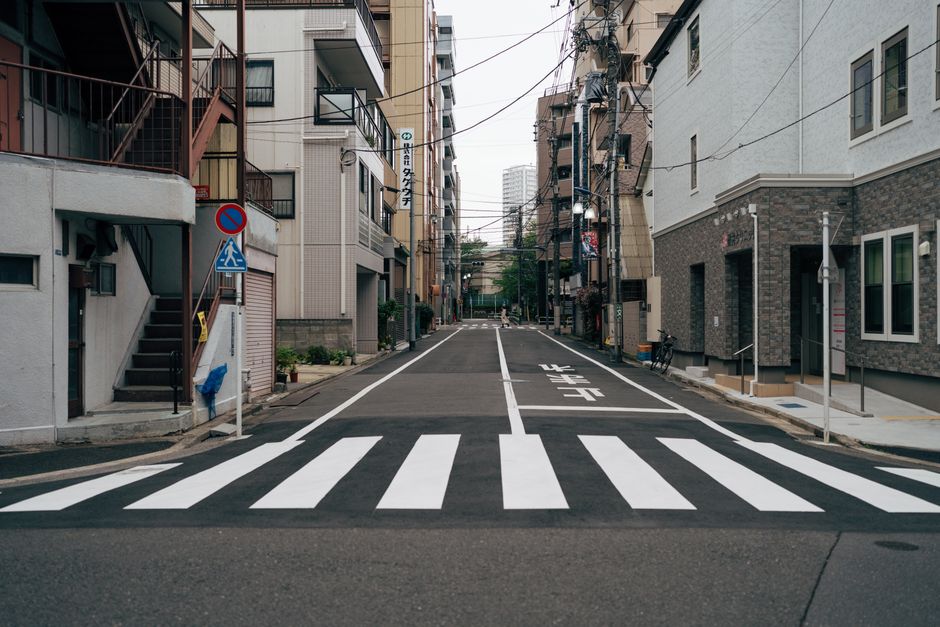
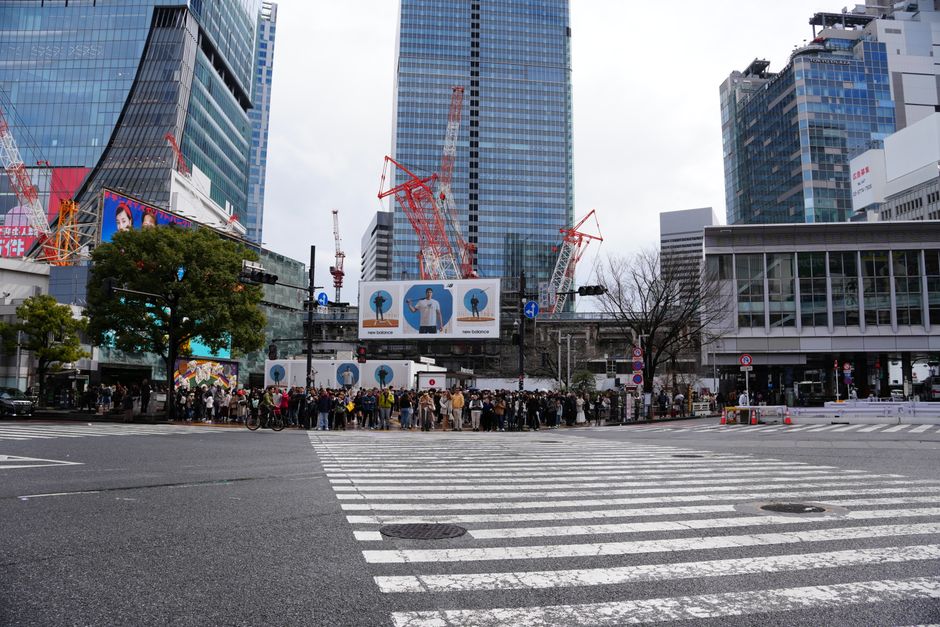
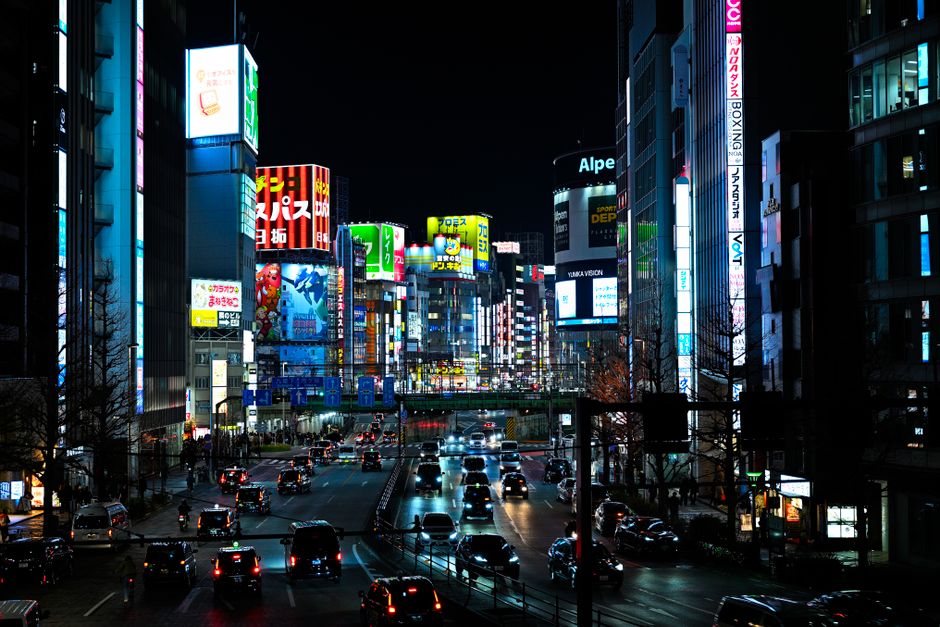
Walk through Setagaya or Shibuya these days and you'll notice something: the quiet residential streets your grandparents knew are vanishing. The Tokyo Metropolitan Government's revised housing policy, implemented this month, has accelerated a transformation that will reshape neighbourhoods across the city within a decade.
The new regulations allow developers to build apartment complexes up to 20 storeys on land previously zoned for low-rise residential use. In practical terms, this means the small wooden houses dotting streets like Inokashira-dori in Kichijoji or the quiet blocks behind Meiji Shrine could soon be replaced by modern towers. The policy aims to ease Tokyo's chronic housing shortage and support the city's ageing population, but residents are grappling with unintended consequences.
Housing costs in central Tokyo already exceed ¥850,000 per square metre in desirable areas. Early data suggests the new policy may paradoxically increase rents rather than lower them. Developers, incentivised to maximise floor space, are replacing affordable family homes with premium units targeting young professionals and international residents. In Minato ward, average rental prices have climbed 12 per cent since announcement of the policy changes in March.
The human cost is less visible but no less real. Community organisations, from local shopping streets to neighbourhood associations that have functioned for decades, face dissolution as residents scatter. The Shimokitazawa area, famous for its bohemian character and independent theatres, has already lost half its original residents in the past fifteen years due to similar pressures.
Older residents worry about displacement. Meguro ward's welfare office reports a 34 per cent increase in housing insecurity consultations since April. Many long-time residents cannot afford the new market rates and lack family support networks to relocate within Tokyo.
The city's planning committee argues the policy is necessary: Tokyo's population is shifting dramatically, with more single-person and childless households. The old model of single-family neighbourhoods no longer serves current demographics. They're not entirely wrong. Yet this utilitarian logic overlooks what makes Tokyo liveable: the intricate social infrastructure that accumulates slowly and vanishes quickly.
The question facing Tokyo now isn't whether density is inevitable—it is. Rather, it's whether the city can pursue necessary housing reform while preserving the community fabric that makes neighbourhoods more than just addresses. Without targeted protections for renters, local businesses, and social cohesion, Tokyo risks becoming a city of housing abundance but neighbourhoods in crisis.
This article was compiled by AI from the sources linked above and screened before publishing. See our editorial standards.