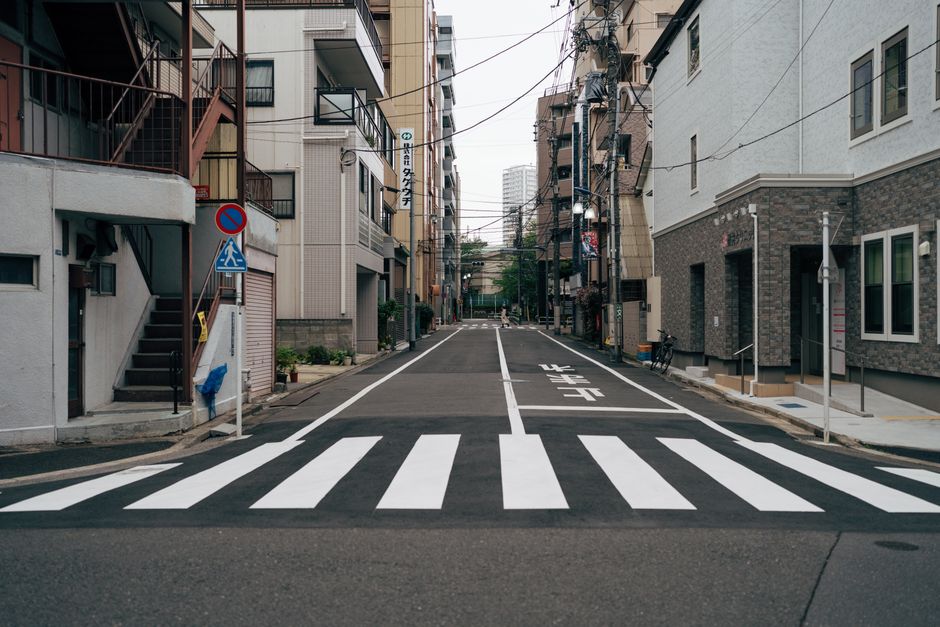
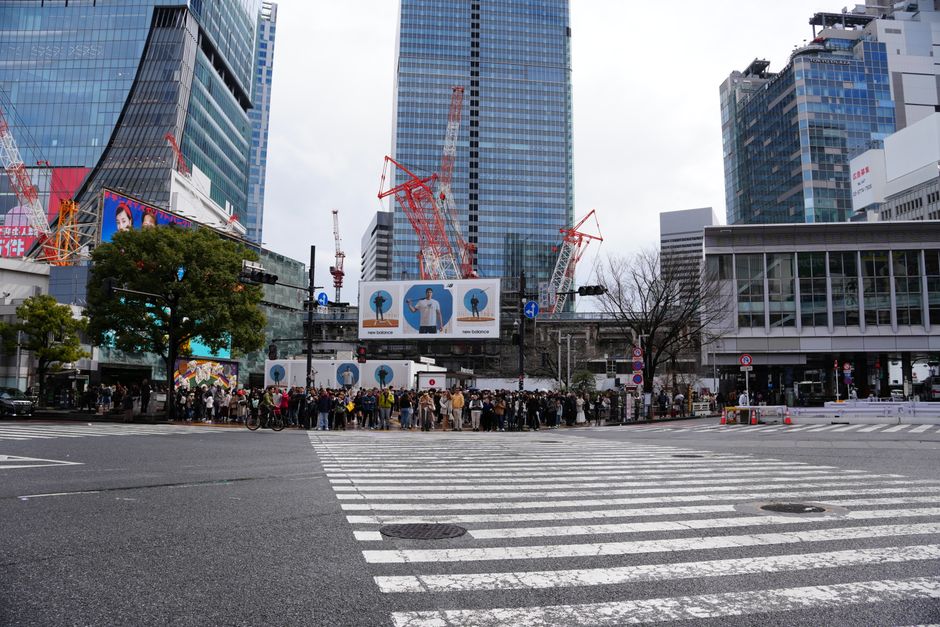
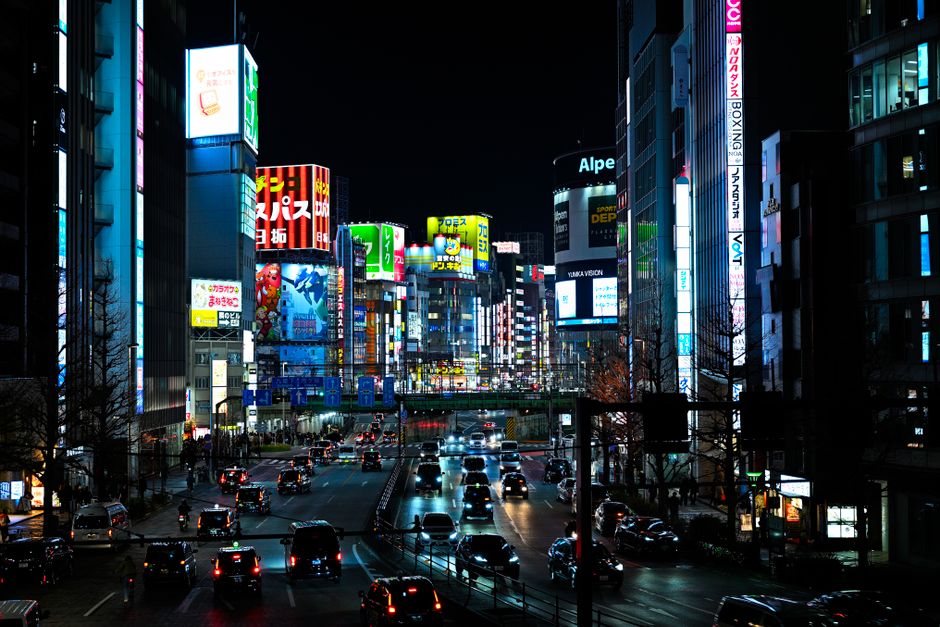
Walk down Meiji-dori in Shibuya and you'll see gleaming new office towers and luxury retail chains. But turn onto the quiet backstreets near Yotsuya Station—particularly around the Omotesando residential area—and a quieter crisis is unfolding. The average monthly rent for a two-bedroom apartment in central Shibuya has jumped 23% over the past three years, reaching ¥285,000, according to recent data from the Tokyo Metropolitan Government's Housing Bureau. For families who have called these neighbourhoods home for decades, the numbers are becoming impossible to ignore.
"My family has run the same soba shop on this street for 47 years," says one proprietor of a traditional restaurant near Dogenzaka. "But when our lease comes up for renewal next year, the landlord wants triple the rent." These aren't isolated stories. Community leaders estimate that roughly 340 long-established businesses—many family-run—have closed across Shibuya ward since 2019, replaced by chain stores and corporate offices serving the daytime workforce.
The human cost extends beyond economics. The Shibuya Ward Community Centre reports a 31% decline in neighbourhood association membership over five years, as younger renters move in temporarily and older residents relocate to cheaper wards like Nakano or Itabashi. Local schools, particularly those near Harajuku and Meiji Shrine, have seen enrolment drop 18% since 2022, forcing consolidations and staff reductions.
What makes this matter for Tokyo broadly is the precedent it sets. If Shibuya—historically a mixed neighbourhood of artists, students, and working families—becomes exclusively a zone for the affluent and corporate, other wards will follow. The city risks losing the social diversity that has always defined Tokyo's neighbourhoods. Young people can no longer afford to live where they work. Multi-generational families are scattered. The informal networks of mutual aid that sustain communities dissolve.
Some residents are fighting back. The Shibuya Residents' Council has filed petitions with the ward government requesting rent-control protections for longtime tenants and zoning restrictions on luxury development. The Tokyo Metropolitan Government has allocated ¥2.8 billion for affordable housing initiatives city-wide, but advocates argue it falls far short of need.
As Tokyo prepares for its future—hosting the 2030 World Expo in Osaka and facing demographic decline—decisions made now about who gets to stay in neighbourhoods like Shibuya will echo for generations. The question isn't just about rent. It's about whether Tokyo remains a city for all residents, or increasingly just for those who can afford it.
This article was compiled by AI from the sources linked above and screened before publishing. See our editorial standards.