Tokyo's Foreign Population Surge Reshapes Neighbourhoods—Here's What It Means for Your Community
As migrant residents exceed 600,000 in the capital, local infrastructure and social services face mounting pressure—and opportunity.
As migrant residents exceed 600,000 in the capital, local infrastructure and social services face mounting pressure—and opportunity.
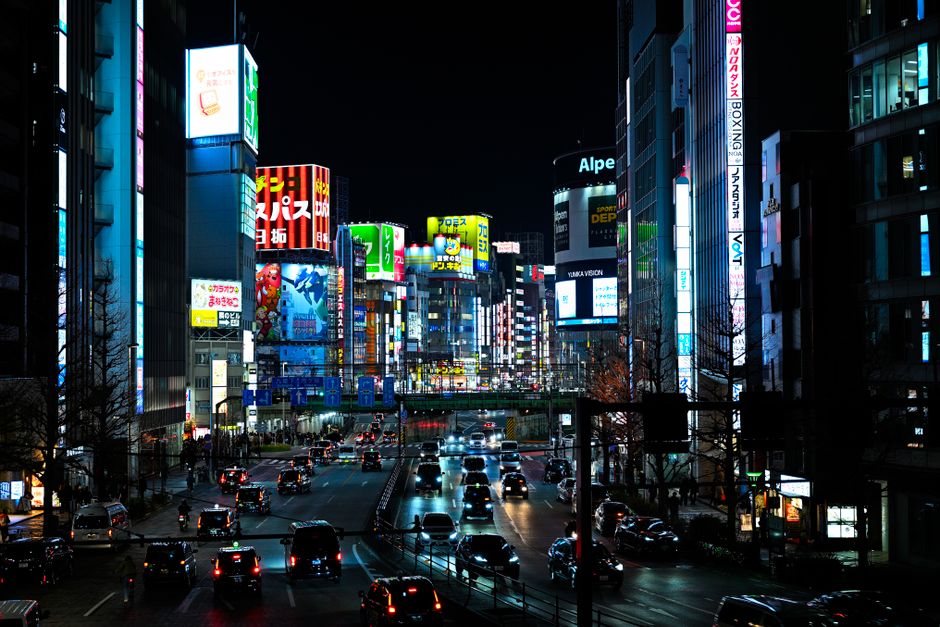
Tokyo's foreign population has surpassed 600,000 residents, marking a 12% increase in just three years. For visitors to Shinjuku's Kabukicho district or the Vietnamese-dominated enclaves around Ikebukuro Station, the transformation is visible. But the real impact plays out in city council meetings, school classrooms, and hospital waiting rooms across the metropolis.
In Taito ward, where foreign residents now comprise nearly 18% of the population, public schools report that one in four students requires Japanese language support—straining already stretched budgets. The ward's education department allocated an additional ¥340 million this fiscal year for multilingual teaching assistants, yet demand continues to outpace supply. "We're doing our best," says a spokesperson for Taito's education division, "but we need systemic support at the metropolitan level."
The pressure extends beyond classrooms. Emergency rooms at major hospitals, including those near Asakusa and Ginza, now employ full-time interpreters in Tagalog, Vietnamese, and Mandarin—a service non-existent five years ago. These language services add roughly ¥8 million annually to operational budgets at larger facilities, costs increasingly absorbed by municipalities rather than the national government.
Yet communities are adapting creatively. In Shin-Okubo, Seoul-focused businesses have given way to a more diverse ecosystem: Filipino restaurants, Vietnamese groceries, and Pakistani textile shops now share storefronts. Local business associations report that foreign-owned enterprises now represent 22% of new registrations in central wards, injecting vitality into aging shopping streets.
Housing remains contentious. Landlords in areas like Uguisudani report discrimination against foreign tenants, pushing migrants toward overcrowded dormitories or shared houses that strain local utilities and waste management systems. The Tokyo Metropolitan Government's 2025 survey found 34% of foreign residents faced rental rejection—a reality that compounds social isolation.
Integration challenges are real but not insurmountable. Community centres in Chiyoda and Minato have launched successful neighbourhood watch programs pairing Japanese residents with new arrivals. Volunteer-led Japanese language circles in Shibuya attract hundreds monthly. These grassroots efforts suggest that Tokyo's multicultural future depends less on grand policy gestures than on sustained local investment and dialogue.
As Japan's demographics shift irreversibly, Tokyo's approach to integration will set the template for the nation. Whether the capital manages this transition as opportunity or crisis depends on decisions made now—in wards, schools, and neighbourhoods where residents already live the reality of an increasingly diverse metropolis.
This article was compiled by AI from the sources linked above and screened before publishing. See our editorial standards.
How does this story make you feel?
Spread the word
About this article
Published by The Daily Tokyo
Daily brief
Free, in your inbox before 7am. Weekdays.
More in News