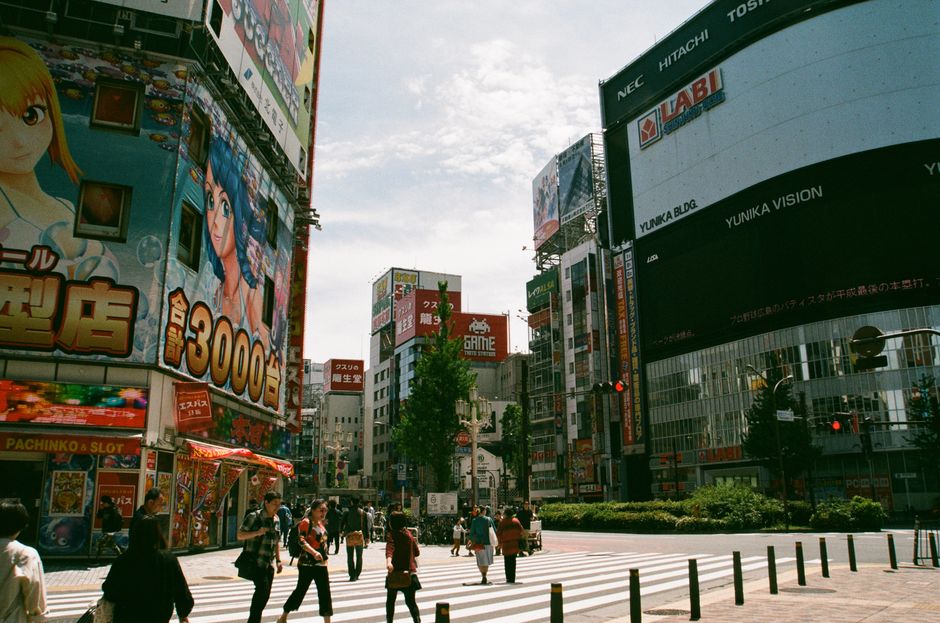
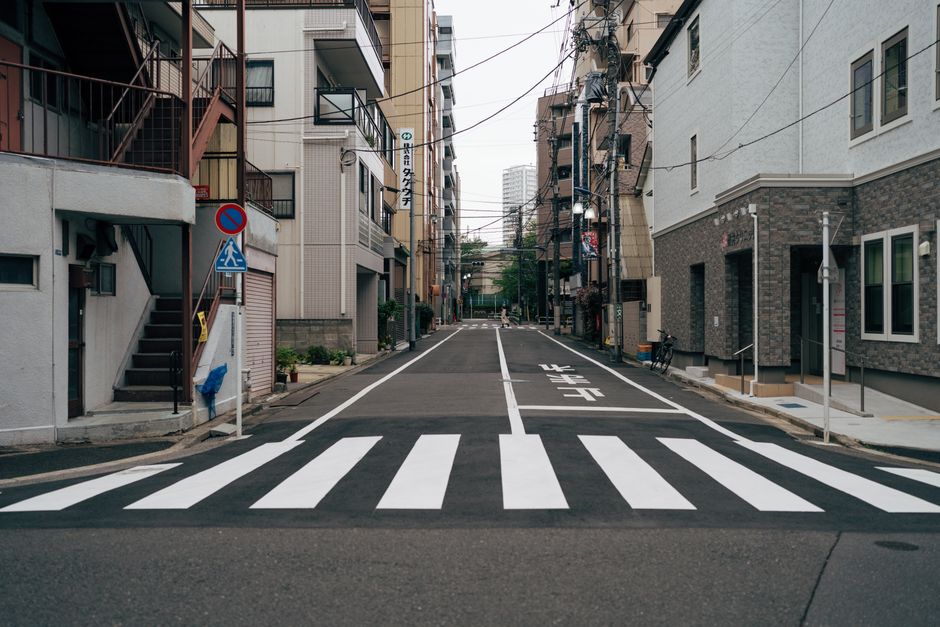
For Yuki Tanaka, who has run a coffee roastery in Harajuku for eighteen years, the past six months have been exhausting. Construction vehicles now dominate the street outside her shop on Meiji-dori most mornings, choking what was once a reliable flow of foot traffic. Yet Tanaka isn't entirely despondent. "Once this tunnel opens, people will move faster through the ward," she says. "Maybe they'll have time to stop for coffee."
Tanaka's paradox—frustration mixed with cautious optimism—captures the central tension facing tens of thousands of Tokyo residents as the city races to complete its most ambitious transport infrastructure project in a decade: a 12.8-kilometre underground bypass connecting Shinjuku and Shibuya via Harajuku, Omotesando, and Minato Ward.
The Metropolitan Expressway Authority estimates the tunnel will redirect approximately 180,000 vehicles daily from surface roads by 2029, reducing congestion on Meiji-dori and Omotesando by up to 35 percent. For Shibuya Ward's 225,000 residents—and the additional 2.7 million who work in or commute through the area—that translates to meaningful changes in air quality, noise levels, and commute times.
Construction impacts are undeniable. The Omotesando shopping precinct, which generates ¥47 billion annually for the ward, has seen a 12 percent dip in foot traffic during peak construction phases. Small retailers report staff shortages as workers avoid congested routes. The Meiji Shrine area, one of Tokyo's most visited spiritual sites with 3 million annual visitors, now contends with construction noise during morning hours when pilgrimages traditionally peak.
Yet municipal data suggests long-term gains outweigh short-term pain. The Tokyo Metropolitan Government's 2025 transport study projects the completed loop will eliminate approximately 240,000 tonnes of annual carbon emissions in central Tokyo and reduce average commute times by 8-12 minutes during peak hours. Real estate analysts predict property values along newly quietened surface streets—particularly residential areas in Minato and Meguro—could appreciate by 15-20 percent post-completion.
For public health advocates, the implications are significant. Current air pollution levels along major surface routes exceed WHO guidelines by 18-22 percent during rush hours; underground diversion is expected to bring these within compliance zones.
Construction completes in phases: the Shinjuku-Harajuku section opens December 2028, with full loop operation by March 2029. Community groups across affected neighbourhoods have negotiated a ¥3.4 billion compensation and local investment fund to support small businesses through the transition period.
The tunnel's success ultimately hinges on one question residents keep asking: will the gridlock relief actually materialise, or will it simply invite more traffic? Tokyo's transport engineers insist infrastructure this sophisticated, properly integrated with existing rail networks, breaks the cycle. For now, merchants like Tanaka watch, wait—and hope.
This article was compiled by AI from the sources linked above and screened before publishing. See our editorial standards.