Tokyo's Pragmatic Approach to Migration Sets It Apart From Global Peers
While Western capitals struggle with housing shortages and social backlash, Tokyo is quietly building a more integrated model—though challenges remain.
While Western capitals struggle with housing shortages and social backlash, Tokyo is quietly building a more integrated model—though challenges remain.
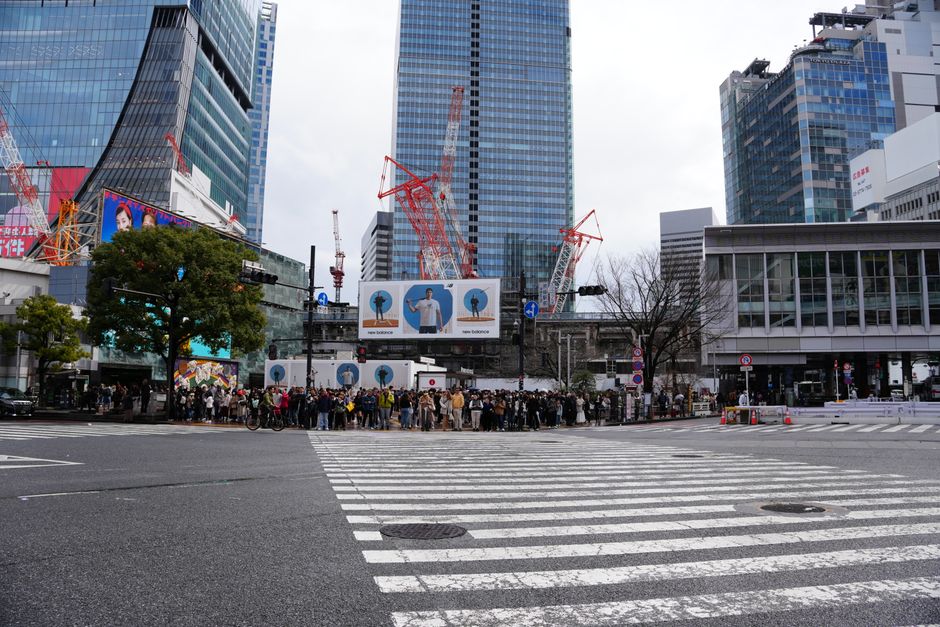
As Venezuela's humanitarian crisis drives waves of migrants across South America, and Pakistan's border tensions displace thousands, Tokyo offers a strikingly different picture of how a major global city can absorb newcomers without the political upheaval seen in Berlin, Paris, or London.
The numbers tell part of the story. Tokyo's foreign resident population stands at approximately 620,000—roughly 4.8% of the metropolitan area's 37 million people. This contrasts sharply with Berlin, where migrants comprise over 23% of the population, or London's 37%. Yet Tokyo's integration outcomes suggest that raw percentages obscure what actually matters: infrastructure, institutional preparedness, and pragmatic policymaking.
In the Ikebukuro district, once synonymous with Chinese communities, the city's evolving multicultural landscape is visible. The ward now hosts over 70 nationalities, with established support networks that newer arrivals tap into immediately. The Toshima Ward International Exchange Center offers interpretation services in 16 languages and conducts citizenship orientation courses—a model that has gradually expanded across Tokyo's 23 special wards since 2015.
Housing costs remain Tokyo's Achilles' heel. A one-bedroom apartment in Shibuya averages ¥120,000 ($820) monthly, making affordability genuinely challenging. Yet the city's established rental market, unlike the discriminatory practices that plague migrant housing in parts of Europe and North America, operates with clearer legal frameworks. Real estate agencies, particularly in areas like Shinjuku and Taito, have adapted to serve international clients systematically.
Japanese hospitals and schools have pioneered integration systems that rival any Western city. Tokyo Metropolitan Health and Medical Treatment Center provides multilingual maternal and pediatric care. Public schools in wards like Minato employ integration coordinators—a practice adopted well before Germany's recent policy shifts.
Yet Tokyo's approach isn't flawless. The city's language requirements and cultural expectations create invisible barriers that statistics don't capture. Visa pathways remain restrictive compared to Canada or Australia. The recent labour migration boom, driven by demographic necessity, has generated backlash in some communities.
What distinguishes Tokyo, however, is institutional stability. Unlike Berlin's reactive crisis management or London's polarized political environment, Tokyo has treated migration as a predictable demographic fact requiring systematic response. Funding for integration services has grown steadily. The city's ward system allows hyper-localized policy adaptation.
As global migration pressures intensify—whether from climate disasters, economic collapse, or conflict—Tokyo's unglamorous, incremental approach offers lessons. Not all major cities must choose between open acceptance and restrictive nationalism. Some simply build better infrastructure and move forward.
This article was compiled by AI from the sources linked above and screened before publishing. See our editorial standards.
How does this story make you feel?
Spread the word
About this article
Published by The Daily Tokyo
Daily brief
Free, in your inbox before 7am. Weekdays.
More in News