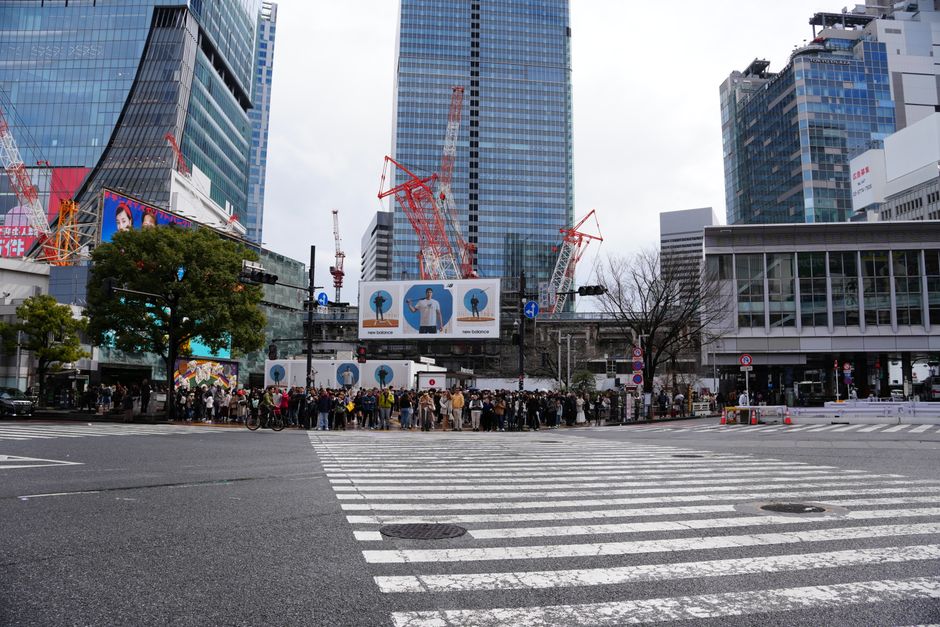
Tokyo's Metropolitan Planning Council voted 8-3 on Wednesday to approve a sweeping mixed-use redevelopment project spanning three city blocks near Shibuya Station, marking the most significant urban planning decision in the capital since the Roppongi Hills expansion. The 42-storey complex, scheduled to break ground in 2027, will integrate 580 residential units with retail and office space—a compromise reflecting months of community consultation along Meiji-dori.
The decision arrives amid escalating tensions over Tokyo's acute housing shortage. Latest government statistics released yesterday show median apartment prices in central wards have climbed 12 percent year-on-year, with Minato-ku averaging ¥79.4 million for a standard two-bedroom unit. Younger residents and young families continue fleeing outward to Saitama and Chiba prefectures, a trend city planners now openly acknowledge as unsustainable.
"We're not building enough housing at price points ordinary workers can afford," acknowledged Tokyo Metropolitan Government officials during Thursday's planning committee briefing, though they stopped short of endorsing rent controls that have been proposed by opposition councillors.
The Shibuya project stipulates that 15 percent of units—approximately 87 apartments—must remain below ¥340,000 monthly rent for fifteen years, a compromise that advocates argue falls short of genuine affordability measures. Critics point to similar developments in Shinjuku and Chiyoda wards, where nominally "affordable" units have quietly converted to market rates after initial deed restrictions expired.
Separately, the Chuo ward assembly approved modifications to building codes in the Nihonbashi district, permitting increased floor-area ratios on historically zoned residential streets. The change will enable developers to construct taller buildings on narrower lots—a response to severe land scarcity that some urban designers worry will strain already-congested infrastructure around Mitsukoshimae Station.
Housing minister Takeshi Yamamoto indicated during Friday's press conference that the government intends to fast-track approval processes for projects meeting new sustainability criteria, suggesting further zoning reforms may emerge within months. However, Shinjuku ward governor expressed concern that accelerated timelines bypass meaningful community input—a tension that will likely dominate city council debates through autumn.
Real estate analysts suggest these policy shifts reflect governmental acceptance that Tokyo cannot maintain its current exclusionary zoning patterns while addressing demographic decline and workforce retention crises. Whether the resulting density actually produces genuinely affordable housing remains the unresolved question shaping Tokyo's urban future.
This article was compiled by AI from the sources linked above and screened before publishing. See our editorial standards.