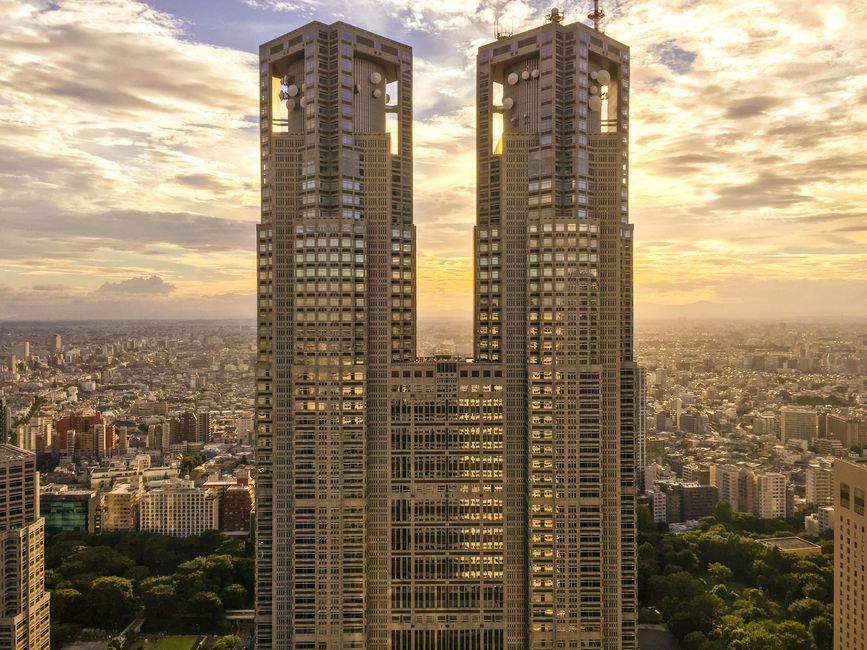
Tokyo's luxury property market is experiencing its most significant shift in a decade. While the city's median residential price hovers around ¥55 million, ultra-premium addresses along the Yamanote Line and in prime Shibuya and Shinjuku precincts are commanding prices that defy conventional market logic—often surpassing comparable global capitals.
The driving force? A perfect storm of factors. Foreign institutional buyers, particularly from Singapore and Hong Kong, are diversifying portfolios away from mainland China and into Tokyo's perceived stability. Simultaneously, aggressive redevelopment projects—such as those transforming sections of Minato Ward near the Imperial Palace moat—are creating scarcity in trophy addresses. Properties with direct views of the gardens or positioned along historic districts like Asakusa's Nakamise-dori are fetching premiums of 40 to 60 percent above comparable units just two years ago.
Domestic wealth concentration is another catalyst. Japan's ultra-high-net-worth individuals, concentrated in Tokyo, are increasingly treating residential real estate as both lifestyle and legacy asset, particularly in established neighbourhoods like Chiyoda and in Musashino's prestigious residential enclaves. Developers responding to this appetite are pivoting from volume-driven projects to ultra-limited, bespoke developments—often just eight to twelve units per building.
What buyers need to understand: liquidity varies dramatically by location and price point. A ¥200 million penthouse in Roppongi Hills may attract multiple serious bidders within weeks. The same price point in emerging outer metro areas, however popular for families, can languish. Buyers targeting prestige addresses should expect to move quickly—inventory at the ultra-luxury tier (¥150 million-plus) turns over in weeks rather than months.
Tax considerations are critical. Recent reforms have tightened non-resident buyer regulations, and foreign investors must now navigate heightened compliance requirements. Engaging specialists in cross-border property tax is no longer optional for international purchasers—it's essential risk management.
The sustainability question looms. Yen volatility and shifting geopolitical dynamics could alter foreign buyer appetite. Market observers suggest the current window—characterised by strong demand and constrained supply—may not persist indefinitely. For serious buyers, 2026 represents a pivotal moment: either commit to prestige Tokyo now or reassess strategy.
The message is clear: Tokyo's ultra-luxury market rewards informed, decisive action. The city's traditional value proposition—stability, cultural prestige, institutional quality—remains intact. But pricing already reflects that reality. The calculus has shifted fundamentally.
This article was compiled by AI from the sources linked above and screened before publishing. See our editorial standards.