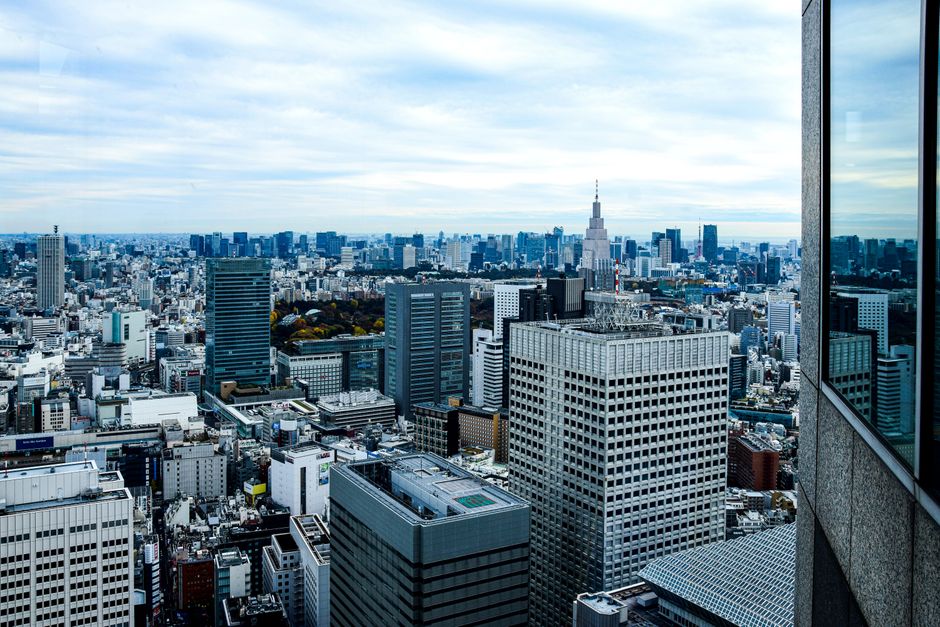
Tokyo's ultra-premium property sector, long accustomed to stable regulatory terrain, faces its most significant planning upheaval in a decade. Fresh zoning amendments adopted by the metropolitan government in Q2 2026 are rewriting development calculus across Minato and Chiyoda wards—territories that command average prices of ¥65–75 million per unit and anchor Japan's luxury market.
The centrepiece is a revised floor area ratio (FAR) framework for Roppongi, Azabudai, and surrounding Minato precincts. Rather than the previous blanket 15:1 allowance, the new tiered system caps developments at 12:1 unless they incorporate prescribed public amenity space—a green courtyard, public art installation, or heritage preservation buffer. The intent: preserve skyline character and neighbourhood texture. The outcome: fewer penthouses per tower, higher construction costs, steeper per-unit prices.
Major developers have already signalled strategic pivots. New luxury launches across Roppongi and the Azabudai corridor are emphasising bespoke floor plans, reduced unit counts, and premium finishes to justify expected price increases. One recent Minato residential project priced units above ¥250 million—a 12–15% elevation on comparable 2025 benchmarks—and cited compliance infrastructure costs and planning concessions as primary drivers.
Chiyoda's Marunouchi district faces complementary pressures. Enhanced environmental assessment requirements for office towers above 50,000 square metres now mandate carbon-neutral mechanical systems and rooftop greening. These measures appeal to institutional investors focused on ESG credentials, yet add 3–5% to development budgets. For residential-mixed conversions—increasingly common in this CBD fringe—they reshape feasibility models, pushing developers toward smaller, higher-value units over volume strategies.
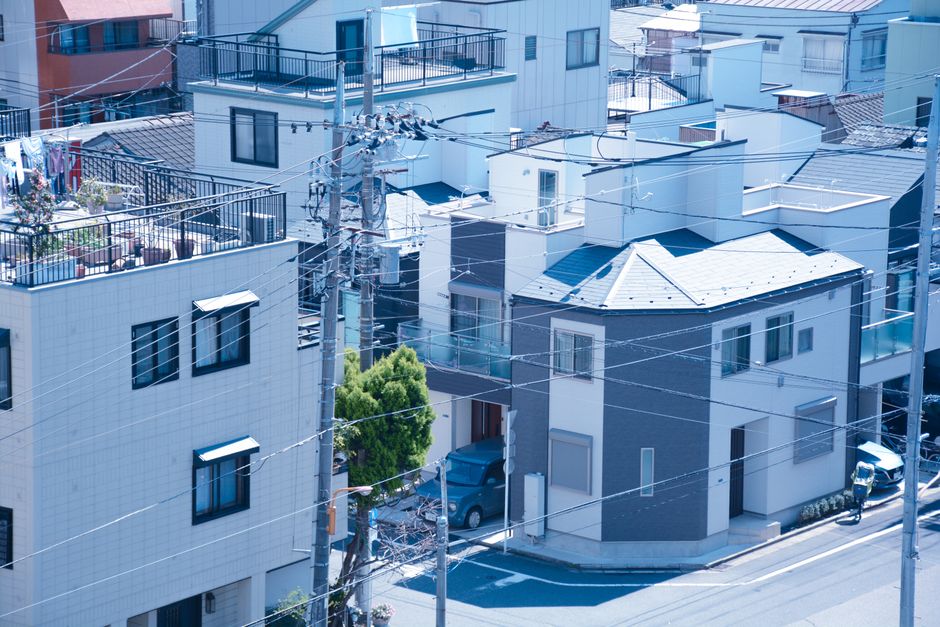
The shift favours the ultra-premium end. While mid-market residential stock in outer Shibuya and Shinjuku faces margin compression, prestige addresses near the Yamanote Line and within walking distance of Roppongi Hills or Tokyo Midtown command buyer premiums tied to regulatory scarcity and access to refined urban amenities. Tokyo's average residential price of ¥55 million masks acute stratification: top-tier Minato precincts now see transaction velocity slowdown but price resilience, suggesting buyers prioritise location and regulatory pedigree over speed.
Market observers expect further regulatory tightening around heritage conservation in Chiyoda's historic districts and heritage precincts near the Imperial Palace. For developers and investors, the message is clear: Tokyo's luxury market is no longer a straightforward density-to-profit game. Policy, now, is the driver.
This article was compiled by AI from the sources linked above and screened before publishing. See our editorial standards.