Tokyo's Next Wave: What's Really Driving Suburban Prices and Why Buyers Are Moving Now
As remote work reshapes commute priorities, investment flows eastward and westward—but timing and location strategy matter more than ever.
As remote work reshapes commute priorities, investment flows eastward and westward—but timing and location strategy matter more than ever.
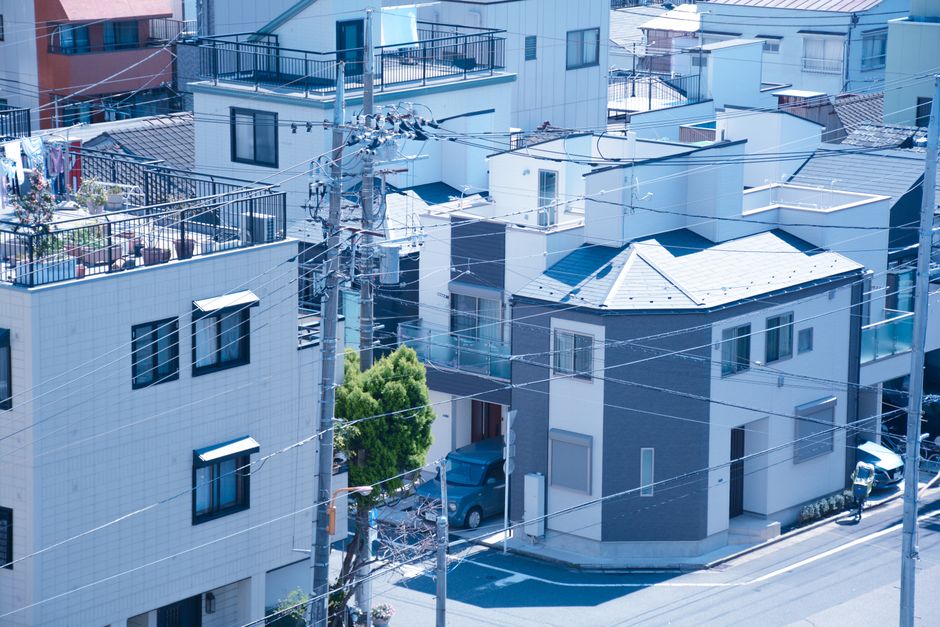
Tokyo's property market is undergoing a subtle but significant realignment. While central Yamanote Line districts remain the prestige anchor, savvy investors are watching suburban corridors intensify—and prices are accelerating faster than headline averages suggest.
The shift reflects three converging forces. First, hybrid work adoption has made the gruelling 90-minute Chiyoda Line commute negotiable rather than mandatory. Second, the Metropolitan Area Outer Ring Expressway completion in 2021 slashed travel times between peripheral zones. Third, younger families are reconsidering lifestyle trade-offs: 55 million yen buys you a one-bedroom apartment in central Minato, or a three-bedroom townhouse in Musashino with garden space.
Musashino and Suginami have emerged as the bellwethers. Properties along the JR Chuo Line—particularly around Mitaka and Kichijoji stations—have appreciated 8–12% year-over-year, according to residential data trackers. A two-bedroom apartment on Kichijoji's shopping arcade-adjacent streets now commands 45–50 million yen, up from 38 million in 2023. Kichijoji Park and the Ghibli Museum proximity aren't coincidental anchors; they signal lifestyle amenities beyond transport.
What's driving the urgency? Developers are activating former commercial corridors. The Tama New Town redevelopment, spanning Inagi and Hachioji, is attracting institutional investment for the first time in decades. Meanwhile, Setagaya's residential stock near Shimokitazawa—traditionally bohemian—is experiencing gentrification-adjacent pressure as young professionals realise they can own rather than rent.
But here's what buyers must recalibrate: distance from the CBD no longer guarantees affordability. Outer metro properties now price proximity to lifestyle hubs (parks, cultural venues, independent retail clusters) as aggressively as they do commute time. A 45-minute train journey is acceptable if you're buying walkability and community character, not just square metres.
The second consideration is supply velocity. Tokyo's population is declining overall, yet property is consolidating geographically. Less desirable outer suburbs—further from Yamanote amenities and lacking transit improvements—are stagnating. Selective suburban investment is narrowing to nodes with infrastructure investment or demographic tailwinds.
For buyers entering now, due diligence means interrogating not just current price but why that neighbourhood is moving. Is it developer-led renewal, or organic demographic shift? Check local government public works plans and proximity to major employers shifting outward. The gap between a sound investment and a speculative bet often hinges on whether price appreciation reflects demand fundamentals or momentum-chasing.
Tokyo's sprawl isn't becoming more affordable—it's becoming more differentiated.
This article was compiled by AI from the sources linked above and screened before publishing. See our editorial standards.
How does this story make you feel?
Spread the word
About this article
Published by The Daily Tokyo
Daily brief
Free, in your inbox before 7am. Weekdays.
More in Property