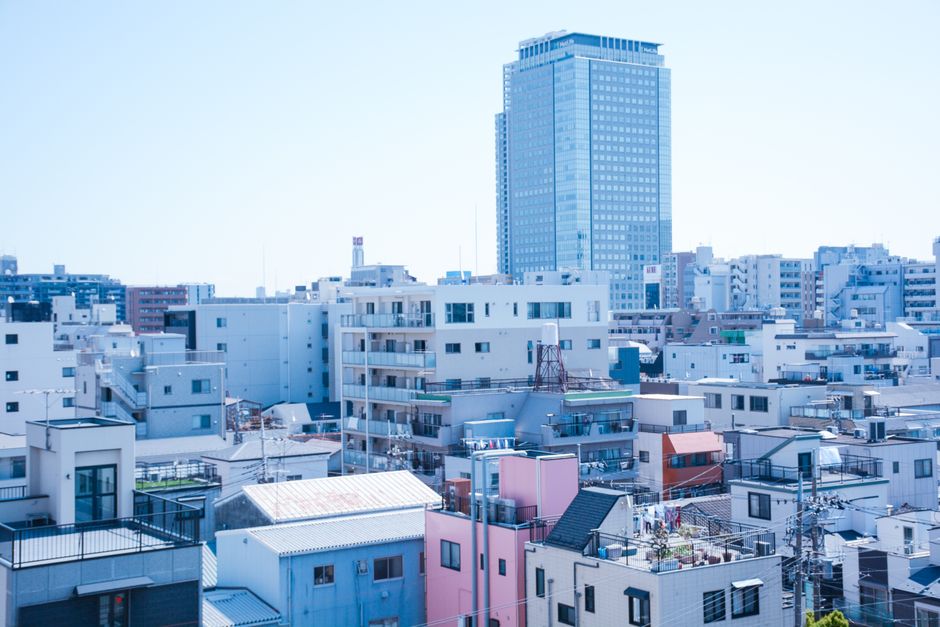
Tokyo's rental market has entered a peculiar phase. While national vacancy rates hover near 15%, inner-ring neighbourhoods are experiencing acute scarcity. In Shibuya and Shinjuku, particularly around the CBD corridors where average rents have climbed to ¥180,000–¥220,000 per month for a modest two-bedroom, competition among tenants has intensified dramatically since early 2025.
The paradox is instructive. Demographic decline in outer metropolitan areas—Musashino and Suginami included—has pushed migration inward toward employment hubs and transit-rich locations along the Yamanote Line. Yet new construction has failed to keep pace. The result: landlords have grown selective, and tenants face longer wait times, steeper deposits, and reduced negotiating power.
Three factors are reshaping the landscape. First, interest rate normalisation has made property investment attractive again for institutional buyers who've been sidelined since 2023. Second, corporate relocation back to central Tokyo post-pandemic has regenerated demand for quality rental stock near major stations—Shibuya Station precincts and the Shinjuku east-side corridors are particularly affected. Third, aging landlords are increasingly consolidating portfolios with professional management firms rather than individual lease agreements, standardising terms upward.
For prospective renters, the timing matters. Properties listed in July through September traditionally see higher turnover as corporate transfers coincide with fiscal year-end movements. Securing an apartment during this window—particularly in family-friendly Suginami wards near parks and schools—offers marginal leverage. Conversely, winter months see reduced supply and even steeper premiums.
Key knowledge points: agency fees remain negotiable despite market tightness; many landlords still accept 30–50% reductions on standard two-month deposits if tenants demonstrate stable income. Documentation—recent payslips, tax certificates, employer verification—significantly accelerates approvals and can unlock better terms. Proximity to Yamanote Line stations commands a 15–25% premium over side-line access; understanding your actual commute time versus perceived convenience is critical.
The average Tokyo apartment still sits around ¥55 million for purchase, yet rental yields have compressed. This gap suggests caution: while ownership prices plateau, rents climb, making leasing strategically sound for those with flexible timelines. Monitor real estate databases and local agency networks—Suumo, Homes.co.jp, and neighbourhood-specific agents near your target station remain essential.
Tokyo's rental market is no longer a buyers' advantage. Arriving prepared with documentation, flexibility on location, and realistic timelines remains your strongest negotiating asset.
This article was compiled by AI from the sources linked above and screened before publishing. See our editorial standards.