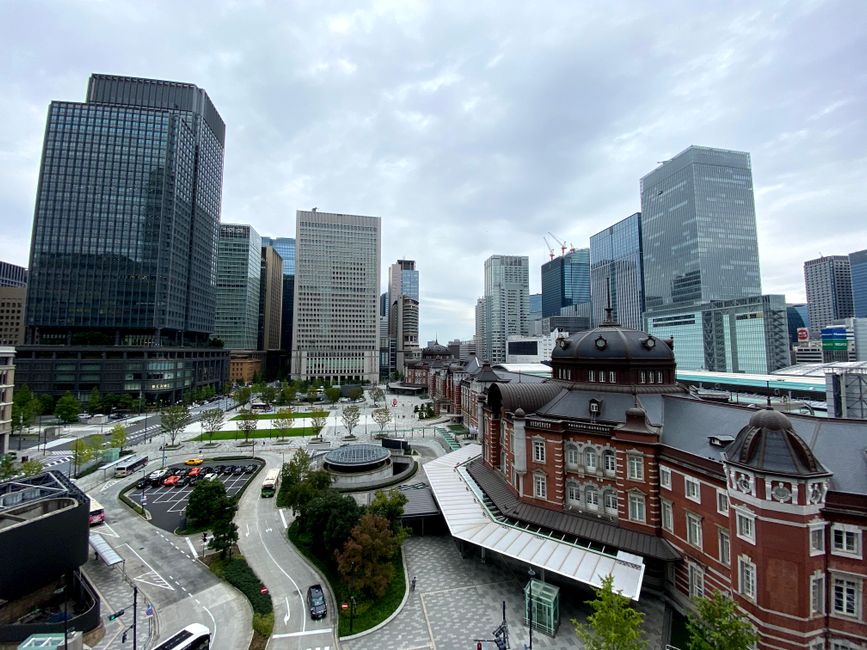
Tokyo's luxury property market has entered a new phase. While the broader metropolitan average hovers around ¥55 million, ultra-premium apartments in Minato's Roppongi Hills and Mori Tower precincts are commanding ¥200 million and beyond—a 15 percent jump from 2024 levels. Understanding what's fueling this divergence matters intensely for affluent buyers entering the market now.
The primary driver remains constrained supply. Properties with both heritage prestige and modern amenities—particularly waterfront units along the Sumida River corridor or corners of Chiyoda with unobstructed views toward the Imperial Palace—rarely surface. When a penthouse in the Yamanote Line premium belt does appear, multiple offers materialize within days. This scarcity has become structural. Tokyo's aging population and strict zoning regulations mean new ultra-luxury residential construction is increasingly rare compared to redevelopment-heavy markets like Singapore or Seoul.
Simultaneously, foreign investment has reshuffled buyer demographics. Affluent families from Hong Kong, Singapore and Sydney are treating Tokyo luxury property as both primary residence and generational wealth anchor—a shift accelerated by the 'Home for a Home' initiatives making relocation logistics clearer. This international capital competes directly with domestic wealth, particularly Tokyo's financial services professionals and real estate developers.
A third factor reshaping the market is lifestyle recalibration. Pre-pandemic, ultra-premium buyers prioritized central Shibuya and Shinjuku corridor proximity. Today, demand is diffusing eastward toward Musashino and Suginami, where families seek space without sacrificing rail access. A ¥180 million apartment in Kichijoji now attracts the same caliber of buyer who might have dismissed it five years ago. This geographic rebalancing has created secondary hotspots with stronger appreciation momentum than traditional strongholds.
For buyers entering now, three realities warrant attention. First, pricing power increasingly depends on specific location granularity—not merely neighborhood, but street-level prestige. A property 200 meters from Omotesando carries measurably different value than one three blocks away. Second, renovation and systems modernization carry higher premiums than historically. Luxury buyers expect turnkey condition; older buildings require substantial investment. Third, understand liquidity horizons. Ultra-premium properties in Tokyo remain less liquid than equivalent assets in New York or London; exit strategies matter.
The ¥55 million average masks a market increasingly bifurcated. Luxury property in 2026 Tokyo responds to different rules than middle-tier residential. Scarcity, international demand and lifestyle preferences have reshaped the calculus. Serious buyers should expect higher entry prices, but also recognize that constrained supply may underpin longer-term stability in a market otherwise wrestling with demographic headwinds.
This article was compiled by AI from the sources linked above and screened before publishing. See our editorial standards.