Tokyo Rental Market Vacancy Rates Hit 10-Year High
Suginami and Nakano vacancy rates reach 8.2%. Explore how Tokyo's shifting rental market is changing tenant negotiations, affordability, and landlord strategies.
Suginami and Nakano vacancy rates reach 8.2%. Explore how Tokyo's shifting rental market is changing tenant negotiations, affordability, and landlord strategies.
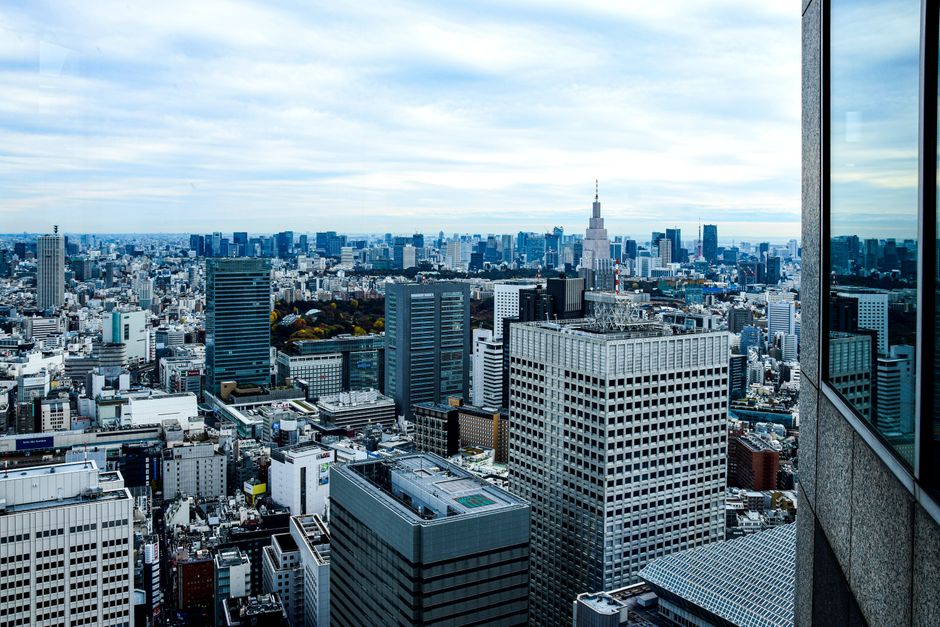
Walk through the residential streets of Suginami or Musashino and you'll notice something that would have been unthinkable five years ago: vacancy notices on older apartment buildings, landlords offering two months' free rent, and tenants negotiating terms once considered fixed in stone.
Tokyo's rental market is experiencing a subtle but significant realignment. While the broader metropolitan average hovers around ¥55 million for purchases, the rental sector tells a different story—one of mounting pressure on traditional landlords and newfound bargaining power for tenants in outer wards.
Data from the Tokyo Metropolitan Government's latest housing survey indicates residential vacancy rates in Suginami and Nakano have reached 8.2 percent, the highest in over a decade. Meanwhile, real estate agents report that rent increases—once automatic upon lease renewal—now require negotiation. In Musashino's family-friendly neighbourhoods near the Ōme Kaidō corridor, landlords are increasingly absorbing maintenance costs to retain tenants rather than risk extended vacancy periods.
The shift reflects converging pressures. Japan's declining population, accelerated by post-pandemic remote work patterns, has reduced demand for inner-ring residential stock. Simultaneously, the Metropolitan Government's reinforced tenant protection ordinances—strengthened in 2024 to limit rent increases and expand eviction protections—have emboldened renters to challenge previously non-negotiable terms.
For older landlords, particularly those managing pre-1980s wooden or lightweight concrete buildings in wards like Setagaya and Shibuya's outer fringes, the arithmetic has become punishing. Earthquake retrofitting requirements, aging infrastructure, and tightened lending standards mean upgrading buildings to attract premium tenants often requires capital they cannot access. Some are selling portfolios; others are quietly converting units to short-term tourist accommodation, a decision that troubles housing advocates.
Yet the rental pressure has benefits. Young families and single-income households report easier access to Suginami and Musashino properties, previously considered gatekept by high initial payments and strict income requirements. The Japan Housing Association notes that tenant-initiated dispute cases have declined 12 percent year-on-year, suggesting less adversarial relationships when both parties feel market conditions favour negotiation.
The real test comes as this rental equilibrium matures. Landlords investing in genuine renovations—like those on Inokashira-dōri in Musashino—report stable tenancy and premium rents. But those unable or unwilling to adapt face a longer-term risk: gradual abandonment and, eventually, the very acute-housing shortage the city fears.
Tokyo's rental market is not collapsing. Rather, it's becoming genuinely competitive for the first time in a generation, reshaping power dynamics neither side anticipated.
This article was compiled by AI from the sources linked above and screened before publishing. See our editorial standards.
How does this story make you feel?
Spread the word
About this article
Published by The Daily Tokyo
Daily brief
Free, in your inbox before 7am. Weekdays.
More in Property