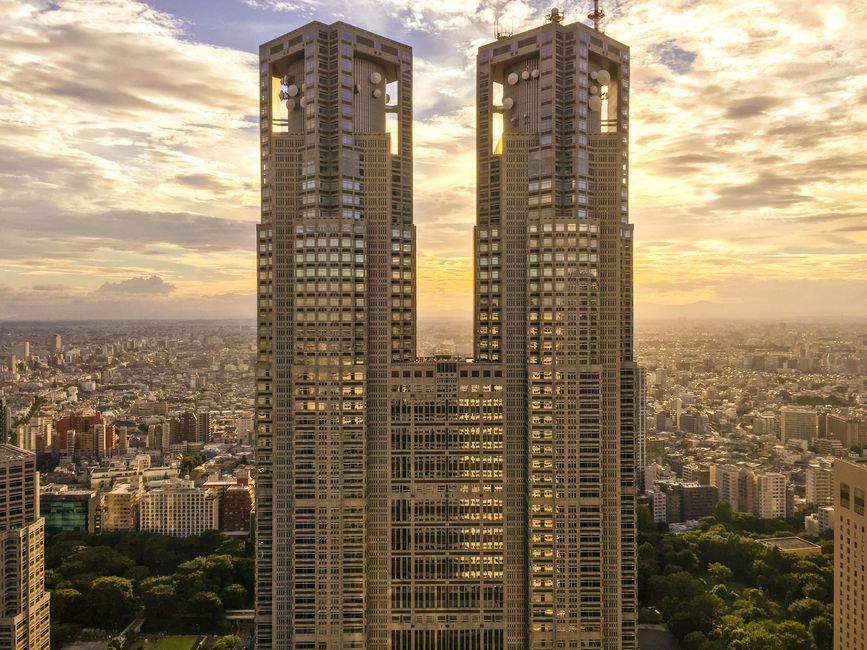
Tokyo's property market remains formidable for first-time buyers, with Yamanote Line neighbourhoods commanding premium prices and central wards like Shibuya and Shinjuku increasingly out of reach for many. Yet several pathways exist to make homeownership viable, particularly for those willing to explore emerging areas or leverage government incentives effectively.
The Japan Housing Finance Agency (JHF) offers the Flat 35 programme, a fixed-rate mortgage spanning up to 35 years—invaluable for locking in certainty amid market fluctuation. First-time buyers in designated areas, particularly outer metropolitan zones like Musashino and Suginami, qualify for preferential rates. These family-friendly wards, with proximity to major commercial centres and schools along the Chuo and Keio lines, increasingly attract younger demographics seeking space without metropolitan price tags.
Government grants have expanded significantly. The Residence Purchase Support Grant, available to first-time buyers under specific income thresholds, provides up to ¥1 million in direct assistance. Additionally, the Green Building Certification subsidy rewards eco-friendly purchases—relevant as new developments in Nakano and Itabashi emphasise sustainability. Coupled with tax deductions on mortgage interest (up to 13 years for qualifying properties), these mechanisms meaningfully reduce effective borrowing costs.
Banking fundamentals matter enormously. Recent regulatory shifts have tightened lending standards; banks now scrutinise deposit ratios more carefully. Aim for 20% down payment to avoid mortgage insurance premiums that inflate monthly costs by ¥20,000–¥30,000. Starting with mortgage pre-qualification—essential documentation to have before property hunting around Ginza or Ebisu—prevents wasted time on unaffordable options.
Location strategy proves decisive. A ¥40–45 million property in established family zones like Suginami or Musashino often delivers superior long-term value compared to ¥55 million+ buys in Shibuya-adjacent areas. Proximity to stations on the Sobu or Marunouchi lines significantly impacts both affordability and resale potential.
First-time buyers should consult the Real Estate Market Information Centre in Kasumigaseki or equivalent ward offices for latest grant eligibility; requirements shift annually. Legal costs—typically 3–4% of purchase price—must be budgeted separately. Engaging a qualified surveyor (especially crucial in older wards) prevents costly surprises post-purchase.
Success hinges on patience, realistic expectations, and leveraging all available support mechanisms. Tokyo's market rewards informed buyers who combine government assistance, disciplined financing, and strategic neighbourhood selection.
This article was compiled by AI from the sources linked above and screened before publishing. See our editorial standards.