Auction Data and Price Moves Signal Tokyo's Investment Sweet Spot Shifting Beyond the Yamanote Circle
Recent clearance rates and hammer prices reveal where savvy buyers should be looking as central premiums plateau and outer metro corridors heat up.
Recent clearance rates and hammer prices reveal where savvy buyers should be looking as central premiums plateau and outer metro corridors heat up.
Tokyo's property auction data is telling a story that defies the city's traditional gravitational pull towards central wards. While average prices across the 23 special wards hover near ¥55 million, the real momentum—according to Tokyo Metropolitan Government clearance figures and recent lot results—is migrating outward along transit spines, particularly toward Musashino and Suginami.
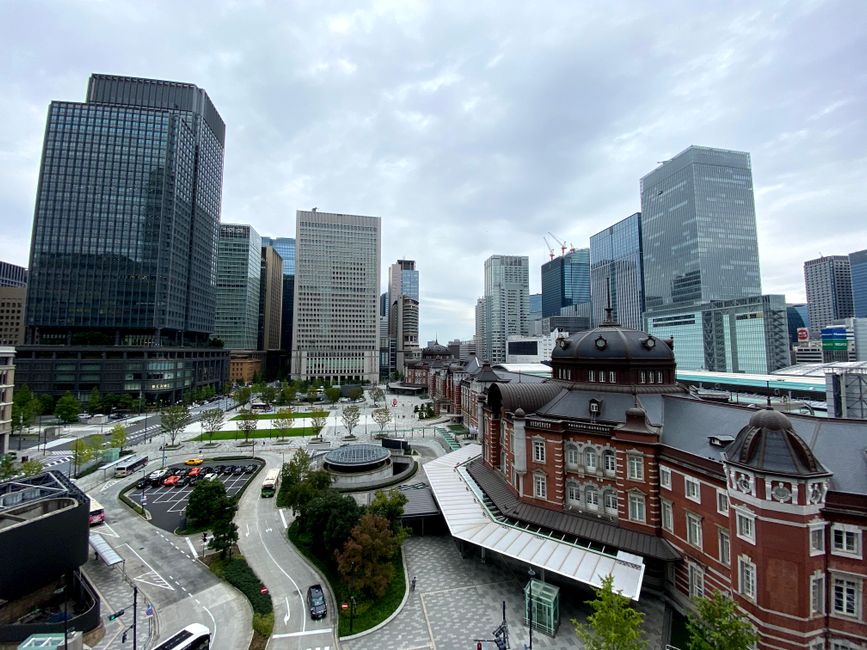
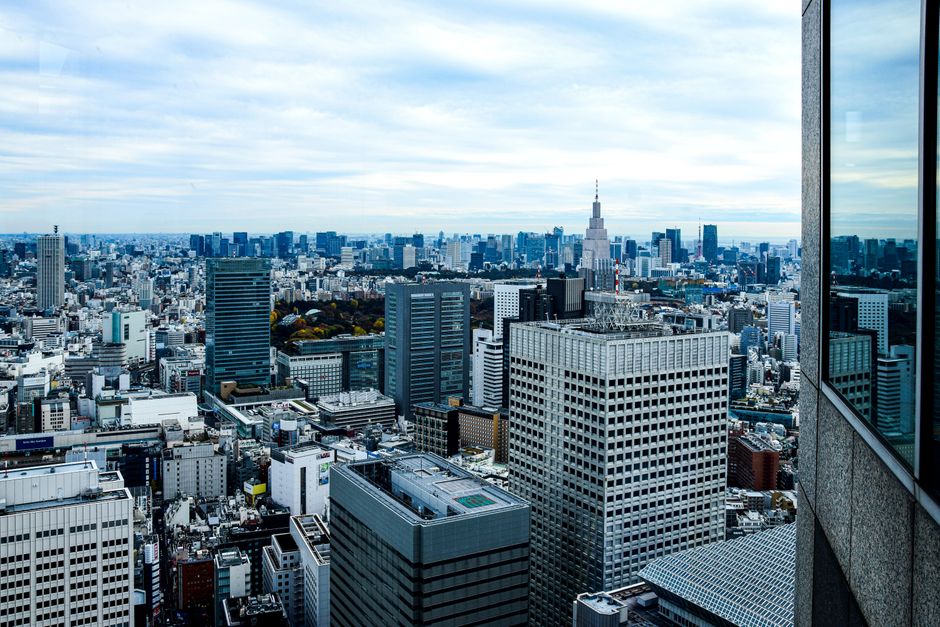
Last quarter's auction clearance rates paint a telling picture. Central Chiyoda and Minato remain stable but sluggish, with competitive bidding concentrated on trophy assets near Roppongi Hills and Marunouchi business corridors. Yet properties within walking distance of Shinjuku Station's west exit—the city's secondary CBD—are moving faster, with cleared lots commanding ¥78–92 million for modest 60–70 square-metre apartments. That's not premium pricing; it's transit premium pricing, and it signals investor confidence in demand that doesn't rely on central prestige.
The shift becomes sharper in the Yamanote Line's outer arc. Shibuya's fringe areas—particularly around Harajuku and Omotesando's northern reaches—have seen hammer prices stabilise after two years of correction, attracting a new wave of owner-occupier interest. But the real signal is coming from beyond the circle entirely. Suginami's Asagaya neighbourhood, long overlooked, has recorded three consecutive months of above-forecast clearance rates, with ¥45–52 million fetching properties within 10 minutes of the Marunouchi Line extension. Musashino, spanning Mitaka and Musashino city proper, shows even stronger momentum: family-friendly corridors near Kichijoji and along the Keio line are now clearing at over 68 per cent, compared to metro-wide averages hovering near 52 per cent.
What's signalling this shift? Transaction volume data reveals younger buyers—and investor syndicates—are increasingly prioritising lifestyle accessibility over postcode prestige. Properties offering combined transit access (multiple train lines within 12 minutes) and proximity to shopping strips like Asagaya's commercial boulevard or Kichijoji's Harmonica Yokocho are outperforming equivalent central wards by clearance speed. Auction results also show investors are chasing yield over capital appreciation: rental-return-focused portfolios favour the ¥40–55 million band in these outer wards, where annual gross yields exceed 4 per cent—versus 2.1 per cent in Chiyoda.
The data suggests Tokyo's investment centre of gravity is rebalancing. Central wards remain stable but mature. The future belongs to well-connected suburban nodes where price accessibility, transit density, and community infrastructure converge.
This article was compiled by AI from the sources linked above and screened before publishing. See our editorial standards.
How does this story make you feel?
Spread the word
About this article
Published by The Daily Tokyo
Daily brief
Free, in your inbox before 7am. Weekdays.
More in Property