Beyond the Circle: Where Tokyo's Savvy Investors Are Actually Seeing Returns
As inner-ring yields compress, rental data reveals which outer-metro neighbourhoods are delivering the numbers that make spreadsheets sing.
As inner-ring yields compress, rental data reveals which outer-metro neighbourhoods are delivering the numbers that make spreadsheets sing.
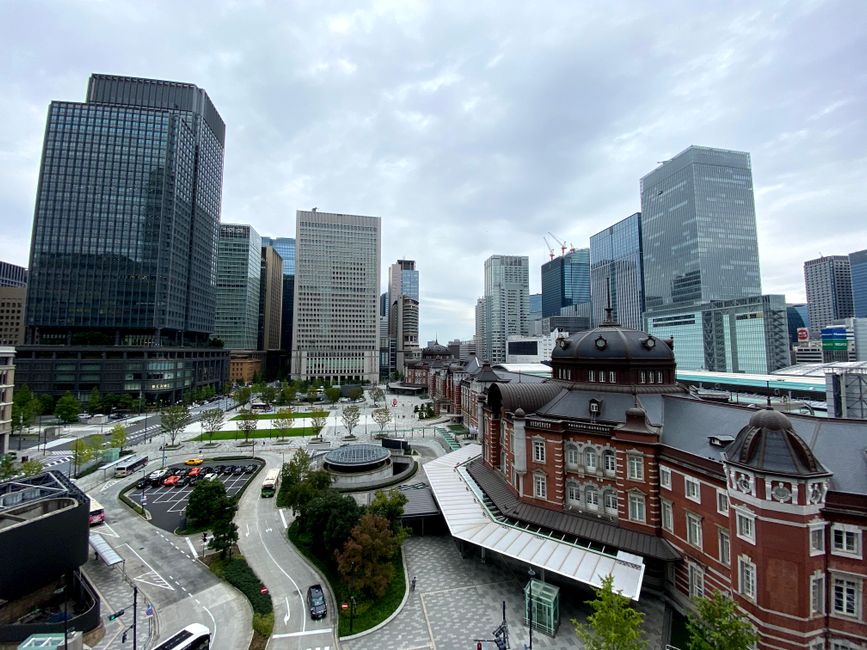
For years, Tokyo property investors orbited the Yamanote Line like planets around the sun. Shibuya's crossing, Shinjuku's towers, Minato's glass facades—the gravitational pull was irresistible. But the mathematics have shifted. Average asking prices in central wards now hover near the JPY 55 million benchmark, while gross rental yields have thinned to single digits in many sought-after pockets.
The story unfolding in 2026 belongs to the outer rings, where disciplined investors are extracting measurable returns from middle-ring and suburban neighbourhoods that conventional wisdom once dismissed as pedestrian.
Musashino offers a case study. The ward, anchored by Kichijoji's leafy prestige but extending through working residential streets, has emerged as a yield magnet. A two-bedroom apartment near Eidan Line's Nishi-Shinjuku Station—accessible to CBD commuters but distinctly suburban—now carries a gross yield approaching 4.5 per cent when factoring recent transaction data and advertised rents. For context: comparable inner-circle properties in Shibuya rarely exceed 2.8 per cent.
Suginami tells a similar story. Neighbourhoods along the Marunouchi Line extension toward Shinjuku have attracted families priced out of central wards, inflating both occupancy rates and rental demand. Local estate agents report vacancy periods of 20–30 days for one-bedroom units in the JPY 35–42 million price band—below the metro average—while monthly rents remain sticky at JPY 125,000–145,000. The yield arithmetic works: renovation-ready buildings that sold for JPY 140 million three years ago now command rental returns that justify their acquisition cost.
What the numbers reveal is a fundamental recalibration. Investors once chasing capital appreciation in trophy locations now hunting for sustainable income have discovered that outer-metro accessibility trumps inner-circle cachet when yields drive decisions. The 2024–2025 rate environment, while less volatile than earlier cycles, has rewarded patient capital positioned in neighbourhoods with genuine residential demand rather than speculative froth.
Supply dynamics matter. New apartment completions in Musashino and Suginami continue outpacing central wards, keeping rents realistic and occupancy predictable—the inverse of speculation-prone central markets. Meanwhile, infrastructure maturation—improved Eidan Line frequencies, convenience store density along key residential corridors—has normalised these areas as permanent addresses, not starter suburbs.
The old adage about location still holds. It simply means something different in 2026: proximity to stable tenants, not proximity to Hachiko Crossing.
This article was compiled by AI from the sources linked above and screened before publishing. See our editorial standards.
How does this story make you feel?
Spread the word
About this article
Published by The Daily Tokyo
Daily brief
Free, in your inbox before 7am. Weekdays.
More in Property


