Tokyo's Construction Boom Delivers: What Investor Yields Actually Show in 2026
New approvals across the capital are reshaping returns, with outer metro precincts now matching—and beating—traditional Yamanote Line yields.
New approvals across the capital are reshaping returns, with outer metro precincts now matching—and beating—traditional Yamanote Line yields.
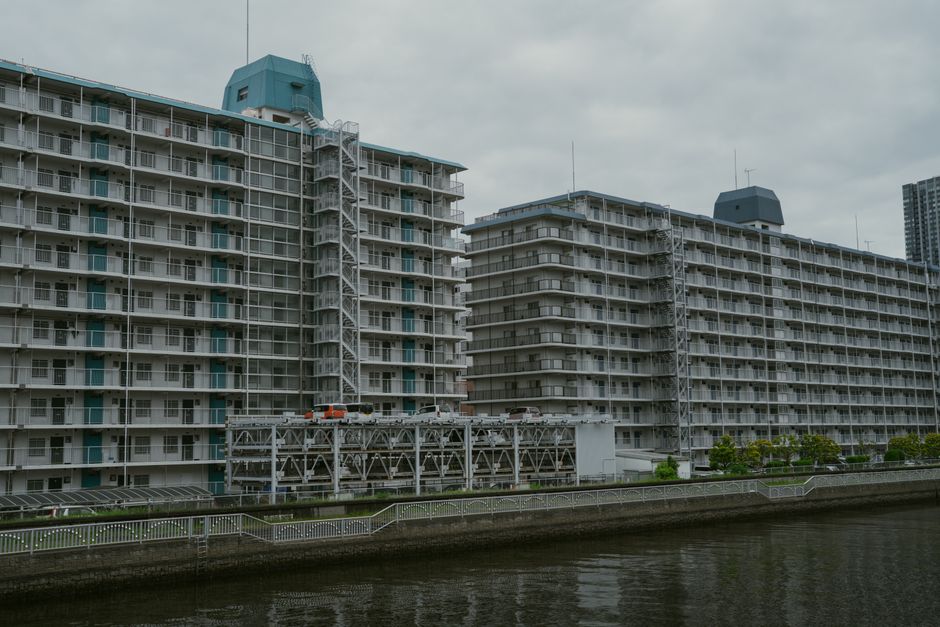
Tokyo's property investment landscape is undergoing a quiet but significant shift. With over 47 new residential and mixed-use developments approved across the metropolitan area this fiscal year, investor returns are diverging sharply from the patterns that dominated the past decade. The data tells a compelling story: while prestige addresses command premium prices, the real yield opportunities are migrating outward.
The most striking trend emerges in outer metro zones. Developments along the Chuo and Sobu lines in Musashino and Suginami are delivering gross yields of 4.2–4.8 percent—substantially above the 2.9–3.5 percent range typical of Shibuya and Shinjuku CBD apartments. A recent 156-unit approval near Kichijoji Station exemplifies this: positioned at JPY 48M average (against Tokyo's JPY 55M median), early investor interest projects annual yields approaching 4.5 percent, rivaling pre-pandemic Yamanote Line returns.
The mechanics are straightforward. Regulatory changes streamlining approvals for developments under 100 meters have accelerated construction timelines, lowering carrying costs. The Tokyo Metropolitan Government's revised zoning framework, which took effect in March, has freed up sites previously locked behind stringent height restrictions. This has unlocked pockets of genuine supply where demand—driven by young families and remote workers relocating from central wards—remains robust.
Central wards are not declining; they're consolidating. New completions in Minato and Chiyoda now skew toward high-end boutique projects (JPY 80M–150M+), where investor yields compress further but capital appreciation potential attracts longer-term allocators. Meanwhile, mid-market investors—the traditional spine of Tokyo's rental market—are increasingly pivoting to emerging nodes. The Tamagawa area, near major shopping centers, has absorbed five approvals in 18 months, attracting demographic profiles that sustain 5–6 percent gross yields on purchase prices under JPY 50M.
Not all developments are equal. Proximity to stations remains paramount; a project two kilometers from Nakano Station approved last month is tracking yields below 3 percent, despite JPY 42M positioning. Conversely, direct Sobu Line access in Funabashi is delivering 4.8 percent on comparable pricing. Schools, shopping, and transit density remain the primary drivers of tenant demand and rental sustainability.
For investors accustomed to chasing prestige addresses, the 2026 approvals cycle offers an uncomfortable truth: capital growth and income return have decoupled. Tokyo's outer rings are delivering the yields; the center is delivering the story. Smart allocators are reading both.
This article was compiled by AI from the sources linked above and screened before publishing. See our editorial standards.
How does this story make you feel?
Spread the word
About this article
Published by The Daily Tokyo
Daily brief
Free, in your inbox before 7am. Weekdays.
More in Property