Tokyo's property market is sending mixed signals from the auction block, and savvy investors are learning to read between the numbers. Fresh data from the past quarter shows clearance rates slipping to their lowest point in three years, yet selective neighbourhoods continue to defy the broader trend—a divergence that speaks volumes about where capital is actually flowing.
The story begins along the Yamanote Line's premium inner loops. Chiyoda-ku and Minato-ku remain anchor zones, with apartments in established precincts near Hibiya and Roppongi Hills maintaining firm pricing around the 80–120 million yen mark for mid-sized units. Auction results here show persistence: even modest clearance rates reflect strong repeat bidding from institutional investors and foreign wealth. The data suggests these zones retain defensive appeal during market transitions.
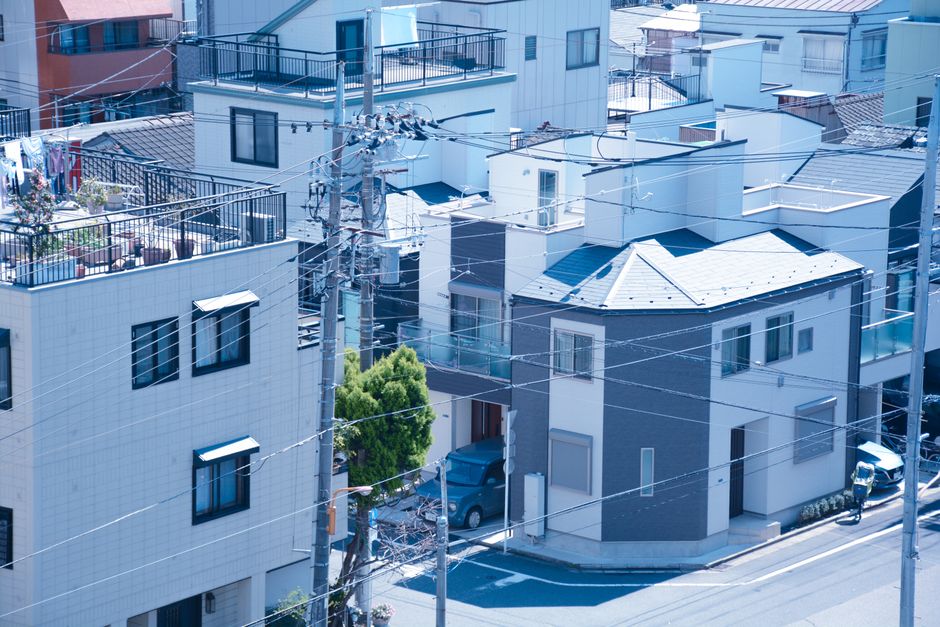
But the real signal is coming from outer metro neighbourhoods. Suginami-ku and Musashino-shi—long favoured by families seeking space and value—are seeing a measurable uptick in competitive bidding. Recent auction results indicate that properties in family-friendly precincts near Shimokitazawa and along the Chuo Line are attracting multiple offers, with prices holding or creeping upward despite the broader clearance rate decline. This mirrors a structural shift: younger buyers and downsizers are trading CBD proximity for liveable square metres and school access.
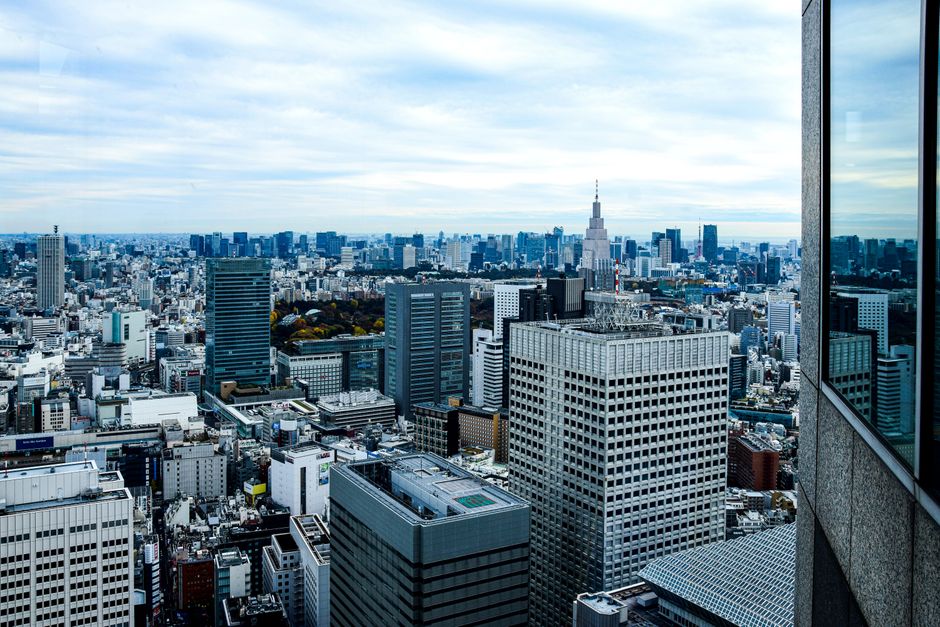
Shibuya and Shinjuku CBD properties tell another tale. High-rise residential stock in these hubs has seen wider bid-ask spreads, suggesting buyer hesitation at premium valuations. Several recent auction cycles have seen starting prices revised downward or properties withdrawn entirely—a reversal from the 2024 frenzy. Investors interpreting this data are signalling caution on trophy assets, favouring instead solid middle-market apartments in adjacent wards.
The clearance rate contraction—now hovering below 65 per cent nationally—masks genuine strength in specific postcodes. Nakano-ku properties near the station, and developments in Setagaya-ku's residential zones, are generating brisk auction activity. The pattern suggests buyers are becoming hyper-selective rather than broadly retreating.
For investors watching the signals, the message is clear: individual neighbourhood fundamentals now matter more than ever. Tokyo's 55-million-yen average masks widening divergence. Properties with strong transport links, family amenities, and realistic pricing are moving. Trophy assets and over-leveraged stock are not. The auction block isn't signalling collapse—it's signalling recalibration toward substance.
This article was compiled by AI from the sources linked above and screened before publishing. See our editorial standards.