Tokyo Luxury Property Zoning: New Rules Reshape Minato
2026 heritage zone restrictions and height limits reshape Tokyo's ultra-luxury market in Minato, Chiyoda, and Roppongi corridors. What developers need to know.
2026 heritage zone restrictions and height limits reshape Tokyo's ultra-luxury market in Minato, Chiyoda, and Roppongi corridors. What developers need to know.
Tokyo's ultra-luxury property sector is experiencing a quiet but significant recalibration. New metropolitan planning guidelines announced by the Tokyo Metropolitan Government in early 2026 have begun reshaping where billionaires and institutional investors can build—and crucially, at what scale.
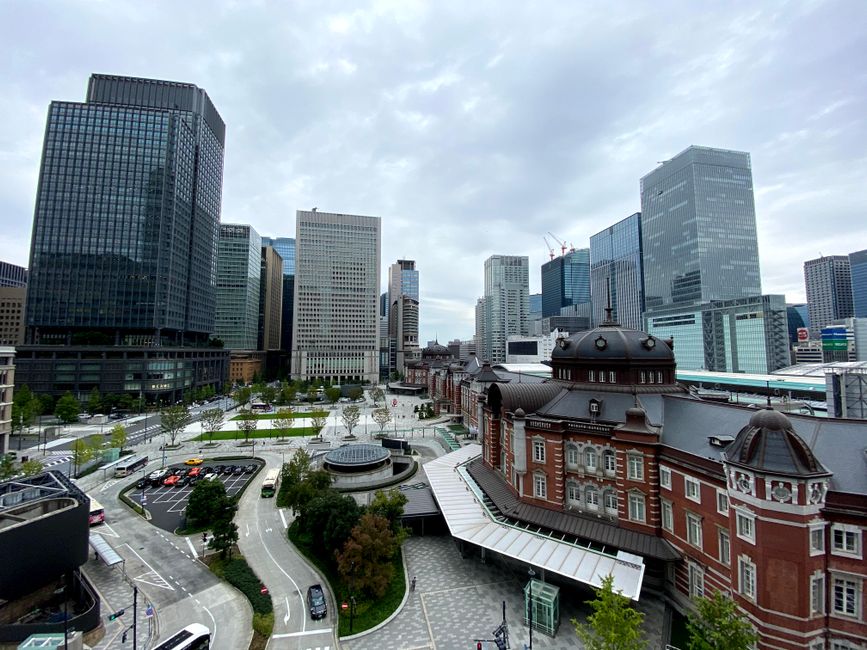
The catalyst: stricter height and density restrictions now apply to a expanded heritage preservation zone stretching from central Minato through Chiyoda, affecting some of the city's most coveted real estate. Properties along Roppongi-dori, the Akasaka corridor, and near the Imperial Palace East Gardens now face tighter development parameters. The policy aims to preserve sightlines to historic landmarks while managing Tokyo's urban density.
For the luxury market, the implications are immediate. Average prices for trophy apartments in prime Yamanote Line locations hover around ¥55 million, but constrained supply from these new rules is creating bottleneck conditions. Developers previously targeting large-scale residential towers in Roppongi and Azabu-Juban are now pivoting to smaller, ultra-exclusive projects or shifting focus to emerging secondary locations like the Minami-Aoyama and Nishi-Azabu borderlands, where restrictions remain less stringent.
Real estate agents tracking the sector report a 12-15% increase in inquiry volume for existing ultra-luxury stock in restricted zones—suggesting investors view scarcity as security. A penthouse listing near Roppongi's Midtown complex, previously anchored at ¥780 million, saw multiple offers within weeks of the policy announcement, indicating capitalization on constrained supply.
The Metropolitan Government's decision also includes new requirements for environmental and architectural review processes, extending approval timelines from 18-24 months to potentially 3+ years for major projects. This has prompted some international developers to exit Tokyo's ultra-luxury segment entirely, while others are doubling down on smaller, architecturally distinctive properties in areas like Daikanyama and Shimokitazawa, where creative adaptive reuse projects face fewer headwinds.
Interestingly, the policy has inadvertently boosted the prestige tier below trophy properties. Luxury apartments in the ¥100-300 million range in less-restricted areas of Shibuya and Shinjuku's outer precincts are attracting investor attention as more practical alternatives to the increasingly constrained Yamanote circle premium segment.
Market analysts suggest this represents a natural maturation phase for Tokyo's luxury real estate. Rather than explosive growth, the sector is consolidating around authentic heritage and scarcity—precisely the positioning luxury brands have always marketed. For buyers with deep pockets and patience, policy-driven constraints may ultimately enhance long-term asset values in genuinely restricted pockets of the city.
This article was compiled by AI from the sources linked above and screened before publishing. See our editorial standards.
How does this story make you feel?
Spread the word
About this article
Published by The Daily Tokyo
Daily brief
Free, in your inbox before 7am. Weekdays.
More in Property