Tokyo's Rental Yields Tell an Investor Story: What the Vacancy Numbers Really Mean
As Tokyo's rental vacancy rates climb, property investors are recalibrating returns—and the winners are in unexpected pockets of the city.
As Tokyo's rental vacancy rates climb, property investors are recalibrating returns—and the winners are in unexpected pockets of the city.
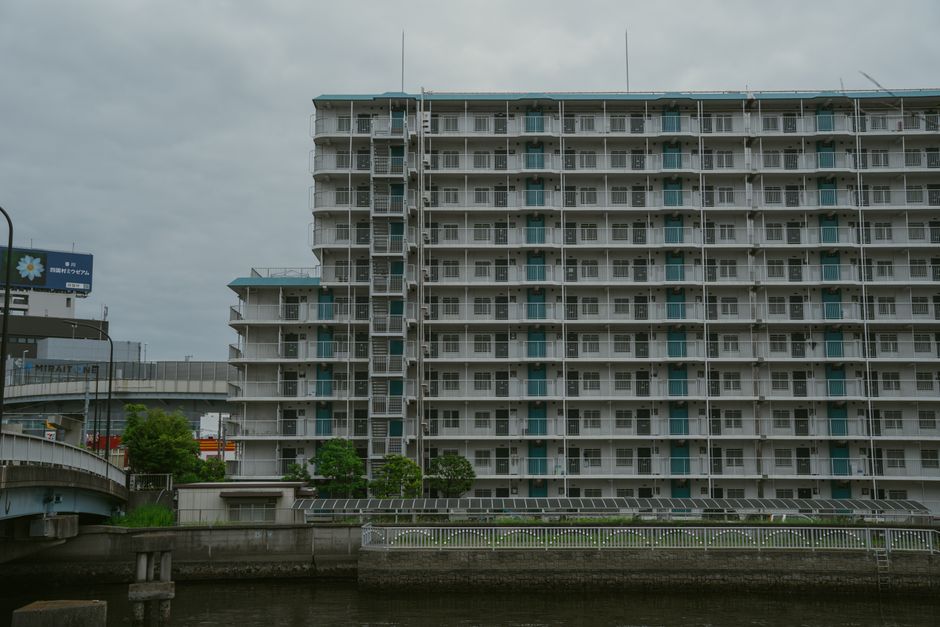
Tokyo's rental market is sending mixed signals, and savvy investors are learning to read between the lines. While headline vacancy rates across the 23 wards have drifted toward 8–9% in early 2026, the real story isn't one of uniform softness. It's one of microscale divergence, where location precision has never mattered more for yield-chasing buyers.
The Yamanote Line premium zones—Shibuya, Shinjuku, Minato—continue to anchor investor confidence. A compact two-bedroom apartment in Shibuya-ku's Daikanyama or Nishi-Azabu district, priced around ¥85–95 million, still generates gross yields of 3.2–3.8% when leased to corporate expatriates or young professionals. Supply constraints in these neighbourhoods keep vacancy below 5%, a structural advantage that justifies premium acquisition costs.
The real divergence emerges further out. Suginami and Musashino, traditionally family-oriented wards, are showing 10–12% vacancy rates as multi-generational housing patterns shift and younger buyers prefer inner-ring accessibility over commute-friendly space. A ¥45 million three-bedroom apartment in Shimokitazawa or Nishi-Ogikubo, once considered a stable rental investment, now faces lengthier turnover periods and downward rent pressure. Gross yields have compressed to 2.6–2.9%.
What explains the spread? Investor behaviour. Institutional capital has consolidated around Yamanote-adjacent nodes—Ebisu, Harajuku, Asakusa—where short-term rental demand from tourism and business travel creates secondary income streams. Outer wards depend on long-term residential leasing, a thinner margin game in a market where tenant acquisition costs and vacancy windows erode returns.
The data also flags demographic reality. Tokyo's overall population has stabilised, but migration within the metropolitan area remains dynamic. Central wards attract in-migration; peripheral wards experience net outflows. For investors, this means yield compression in traditional family markets will likely persist unless renovation-led repositioning occurs.
Interest rate environment matters too. With the Bank of Japan's 2024–2025 tightening cycle, borrowing costs for investment property purchases have risen. An investor leveraging 70% loan-to-value on a ¥55 million property now faces carry costs that demand yields of at least 3.5–4% to generate positive real returns. Suginami properties no longer clear that hurdle comfortably.
The takeaway for investors: location yield arbitrage is alive in Tokyo, but it's compressed into fewer postcode zones. The Yamanote Line and its immediate halo remain yield-positive relative to risk; outer wards require either deep value bets or active asset management. The rental vacancy signal isn't recession; it's reallocation.
This article was compiled by AI from the sources linked above and screened before publishing. See our editorial standards.
How does this story make you feel?
Spread the word
About this article
Published by The Daily Tokyo
Daily brief
Free, in your inbox before 7am. Weekdays.
More in Property