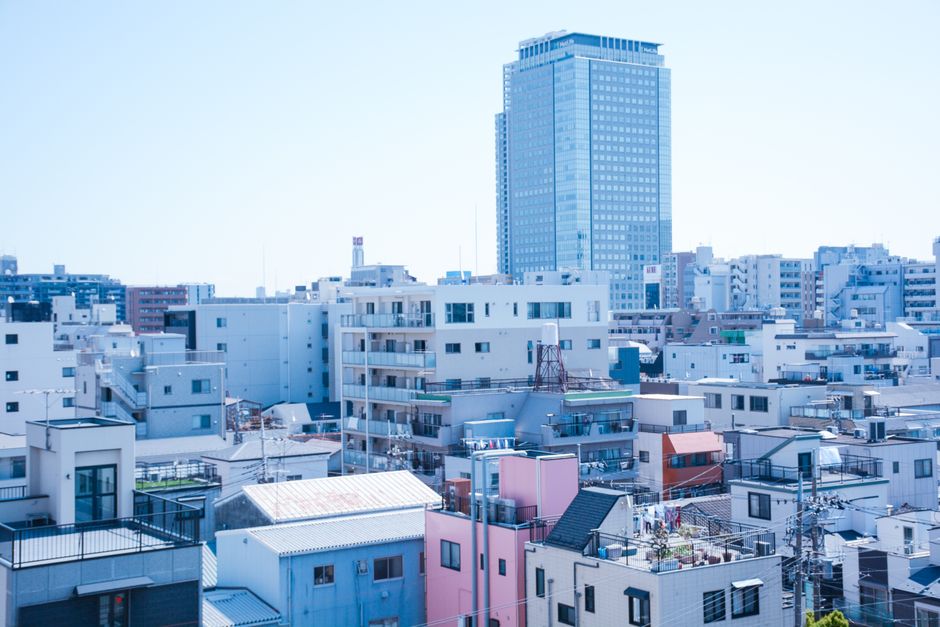
Tokyo's property market is undergoing a visible transformation. Walk along Okubo-dori in Shinjuku and you'll spot multiple construction hoarding sites where mid-rise residential projects are reshaping the streetscape. Meanwhile, Musashino and Suginami continue attracting family-focused apartment blocks, with approval timelines now measurably shorter than three years ago. For first-time buyers, this construction boom presents both opportunity and complexity.
The approval environment has shifted meaningfully. Tokyo Metropolitan Government's streamlined zoning review process—particularly for projects under 10,000 square metres—has reduced waiting periods for new residential developments. This matters directly to purchasers: faster approvals mean more completed units reaching the market, theoretically improving choice and moderating pricing pressure around the JPY 55 million Tokyo average.
Location strategy requires understanding the development pipeline. Inner Yamanote Line precincts—Harajuku, Ebisu, Meguro—are seeing selective redevelopment focused on mixed-use projects rather than residential-only blocks. These tend toward higher price points but offer established infrastructure. Conversely, Musashino's major stations (Kichijoji, Mitaka) are attracting purpose-built family apartments, typically 70–90 square metres, priced JPY 45–65 million. Suginami similarly draws first-time buyers toward Asagaya and Ogikubo developments.
Key approvals to track: Tokyo Metropolitan Government's publicly available development registry lists all projects exceeding 1,000 square metres. Cross-referencing this with ward-specific construction schedules helps identify which areas will absorb supply in the next 18–24 months. Projects near major stations (Shinjuku, Shibuya CBD corridors) face longer approval cycles but command premium prices upon completion. Outer metro projects typically clear approvals faster and suit buyers prioritising affordability and family amenities.
Practical steps: engage a buyer's agent familiar with Tokyo Metropolitan development trends. Inspect completed projects from the same developer to assess quality standards. Request building completion certificates and earthquake compliance documentation—non-negotiable for new constructions post-2011 standards. Verify that developers hold valid Tokyo Metropolitan construction licenses.
Timing considerations matter. Projects announcing completion in late 2026 or 2027 often offer pre-completion pricing advantages. However, first-time buyers should avoid purchasing off-plan without site visits and structural inspections at 50 per cent completion stage.
The construction wave reflects genuine market confidence. Whether inner-city redevelopment or outer-metro expansion appeals depends on your commute, family needs, and timeline. Understanding which approvals are flowing fastest—and where—puts first-time buyers in control of their market entry.
This article was compiled by AI from the sources linked above and screened before publishing. See our editorial standards.