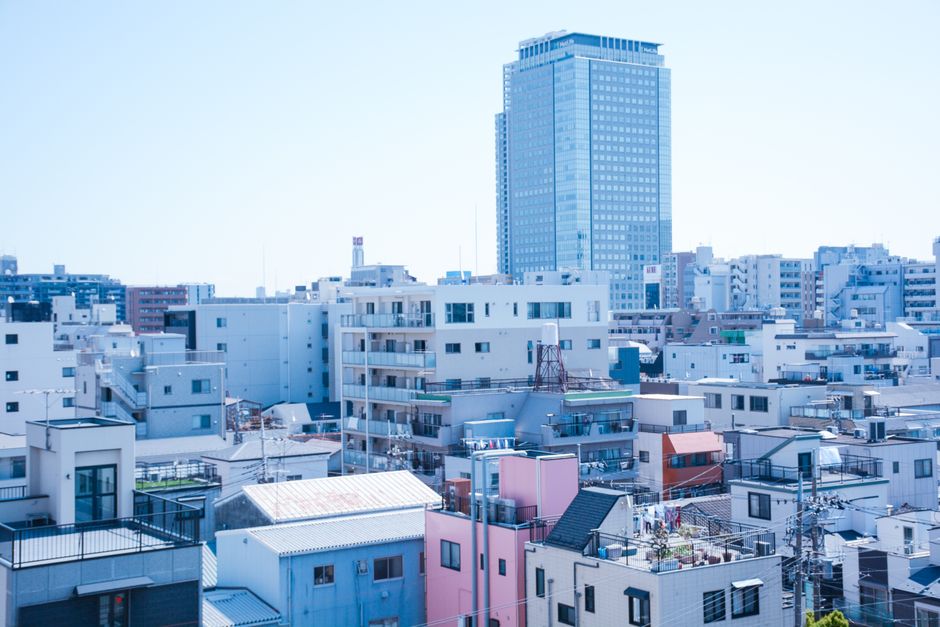
While Shibuya and Shinjuku continue to command headline prices, a quieter transformation is reshaping Tokyo's property landscape. Nakano Ward—long overshadowed by its glitzy neighbours—has emerged as the neighbourhood where first-home buyers can actually afford to plant roots without sacrificing connectivity or lifestyle amenities.
The numbers tell the story. Median apartment prices in central Nakano hover around ¥32–38 million, roughly 30% below the Tokyo metropolitan average of ¥55 million. Yet the neighbourhood sits just four stops from Shinjuku on the JR Chuo Line, placing it firmly within commutable distance of Tokyo's primary employment hubs. For young professionals and couples saving aggressively, that differential matters enormously.
What's driving the shift isn't just price. Nakano's infrastructure backbone has strengthened considerably. The Nakano Broadway complex anchors the central commercial strip, while recent redevelopment around Nakano Station has attracted younger retailers and cafes alongside established izakayas. The pedestrian-friendly blocks between the station and Meiji-dori feel distinctly less frenetic than Shibuya's crowded intersections, yet remain walkable to everything essential.
Local government support is tangible. Tokyo's first-home buyer grant schemes—administered through the Housing Finance Agency (HF)—remain competitive, with down-payment assistance programs more accessible to those entering the market below ¥40 million. Additionally, Nakano Ward actively markets its family-friendly infrastructure: proximity to quality schools in surrounding Suginami, affordable daycare waiting lists shorter than inner-circle wards, and parks like Nakano Centennial Park offering genuine green space.
The investment thesis extends beyond immediate affordability. Nakano's cultural cache has shifted measurably. What was once dismissed as purely residential is now attracting independent galleries, small publishers, and a younger demographic rediscovering the ward's bohemian heritage. Late-night venues and weekend markets near Nakano-Sakaue create foot traffic that historically undervalued neighbourhoods rarely enjoy.
Real estate agents report mounting inquiry from first-time buyers aged 28–35, many relocating from outer wards like Musashino or Suginami where they've outgrown rental constraints. For these buyers, Nakano offers a strategic middle ground: affordable enough to finance independently or with modest parental support, yet positioned to benefit from Tokyo's ongoing orbital development pattern.
The caveat remains standard: any Tokyo purchase requires due diligence on seismic retrofitting, management fees, and long-term neighbourhood trajectories. But for first-home buyers willing to look beyond Yamanote Line prestige, Nakano's current window represents genuine opportunity—the kind of undervalued moment that defines smart property timing.
This article was compiled by AI from the sources linked above and screened before publishing. See our editorial standards.