New Shibuya Towers Transform Yield Maths for Tokyo Landlords
As major redevelopment reshapes central wards, savvy investors are repositioning portfolios—but the arithmetic has changed.
As major redevelopment reshapes central wards, savvy investors are repositioning portfolios—but the arithmetic has changed.
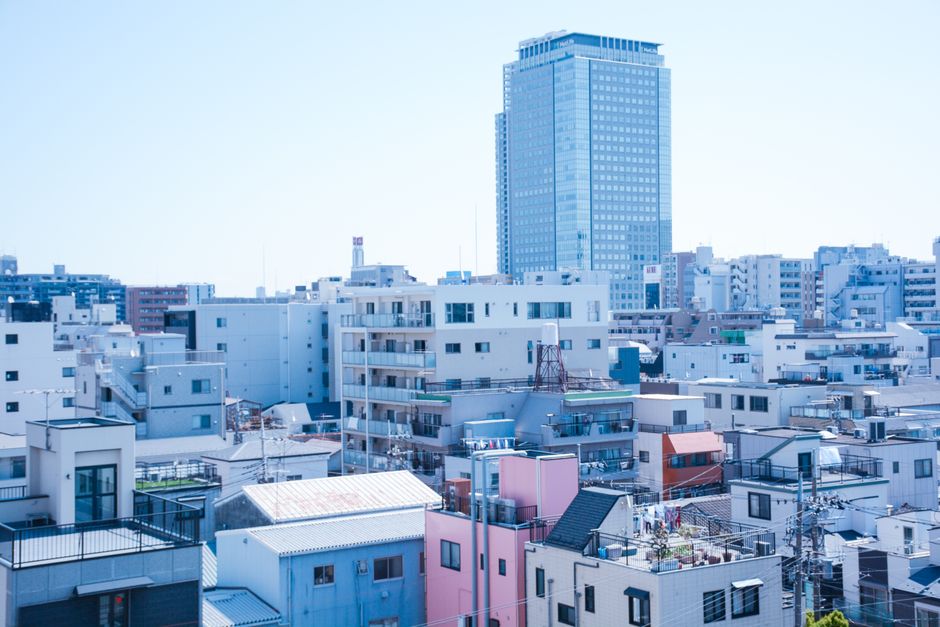
The completion of the Shibuya Roppongi Project's second phase this autumn marks a watershed moment for Tokyo's rental investment landscape. Three new mixed-use towers will inject roughly 2,400 residential units into one of Japan's most expensive postcodes—and landlords watching the numbers need to recalibrate expectations.
For years, Shibuya's scarcity premium justified yields as low as 2.5–3 per cent. The 55 million yen Tokyo average masked pockets of extraordinary capital appreciation offsetting modest rental returns. Now, development-driven supply is shifting that calculus. New studio units in the towers are pricing around 48–52 million yen, while projected gross yields hover near 3.8–4.2 per cent—a marked improvement, but only if vacancy remains contained.
The ripple effect extends outward. Musashino and Suginami, traditionally family-focused suburbs along the Chuo and Marunouchi lines, are seeing developers pivot toward mixed-income clusters around train stations. A new complex near Mitaka Station, opening next year, includes 320 compact apartments and co-working space. Early indicators suggest yields of 4.5–5 per cent—substantially stronger than comparable inner-Yamanote offerings.
What does this mean for existing landlords? Portfolio diversification has moved from nice-to-have to essential. Investors holding single units in saturated inner wards face pressure to either reduce expectations or reposition toward emerging nodes. The outer metro growth story—reinforced by remote work adoption and rail infrastructure investment—is no longer peripheral.
The mechanics are straightforward but demand vigilance. Development projects reshape local character, tenant demographics, and competitive rental rates within 800 metres. A new family-oriented complex near Shimokitazawa last year compressed yields for surrounding older stock, but attracted quality long-term tenants. Conversely, speculative oversupply in some pockets is already pushing returns lower than headline figures suggest.
Smart landlords are tracking completion timelines from the Tokyo Metropolitan Government's planning office and cross-referencing with rail operator expansion plans. The upcoming Fukutoshin Line extension, combined with residential projects in Kasuga and Komagome, creates a north-inner arc of development activity worth monitoring.
The days of passive yield-and-hold in premium central wards are fading. Tokyo's property market isn't cooling—it's rebalancing. New developments aren't threats to landlords willing to adapt; they're signals showing where capital is flowing next. Those reading the map early will position accordingly.
This article was compiled by AI from the sources linked above and screened before publishing. See our editorial standards.
How does this story make you feel?
Spread the word
About this article
Published by The Daily Tokyo
Daily brief
Free, in your inbox before 7am. Weekdays.
More in Property