Shinjuku Property Developments 2024: Tokyo's Mega-Projects
Shinjuku Minamigate and three major Tokyo developments reshape investment strategy. Compare pricing, infrastructure impact, and neighbourhood transformation timelines.
Shinjuku Minamigate and three major Tokyo developments reshape investment strategy. Compare pricing, infrastructure impact, and neighbourhood transformation timelines.
Tokyo's property market has long operated on the principle that central location trumps all else. But this year's cluster of major developments in Shinjuku's eastern precinct is testing that orthodoxy, forcing investors to recalibrate their calculations around infrastructure, retail ecosystems, and demographic shift.
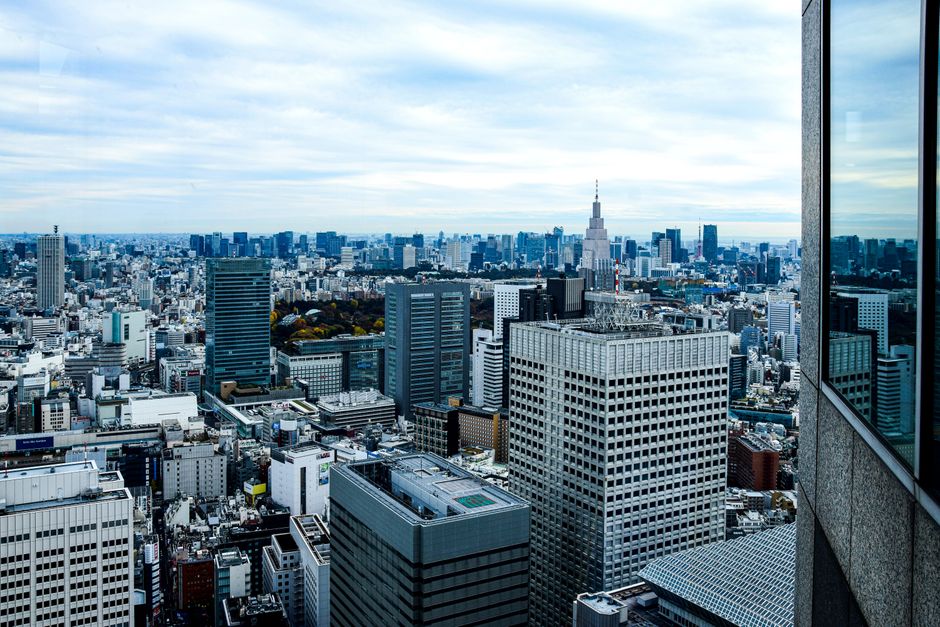
The most significant catalyst is the phased completion of the Shinjuku Minamigate complex along Meiji-dori. Spanning 430,000 square metres across three towers, the project integrates residential, commercial, and cultural spaces in what developers describe as a "vertical neighbourhood." The first phase opened in March, anchoring around 1,200 residential units—roughly 40 per cent at the middle-income bracket averaging JPY 68–75 million for a two-bedroom. That's a 12–15 per cent premium over comparable Shinjuku stock from five years ago, reflecting both location quality and the project's amenity density.
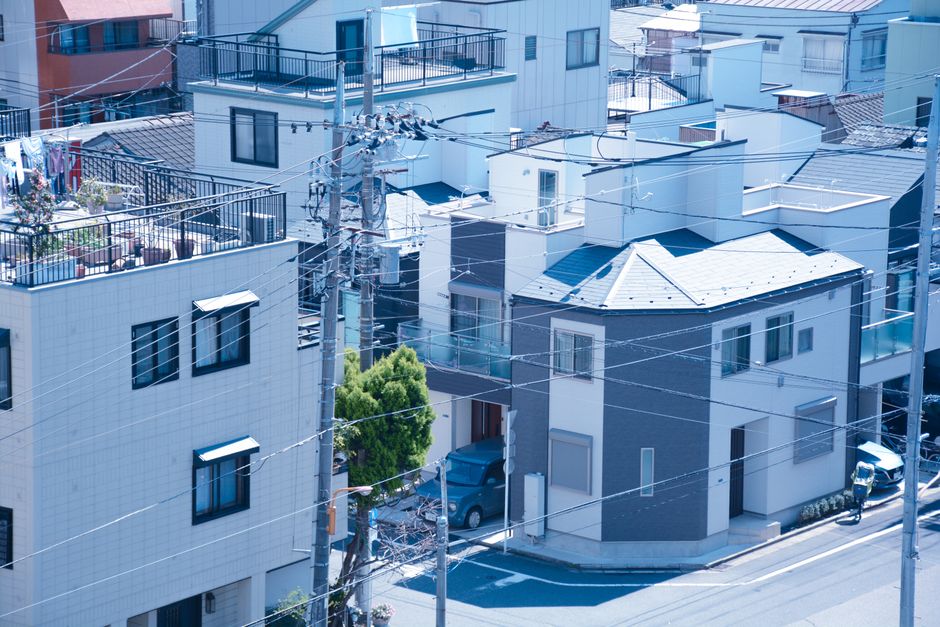
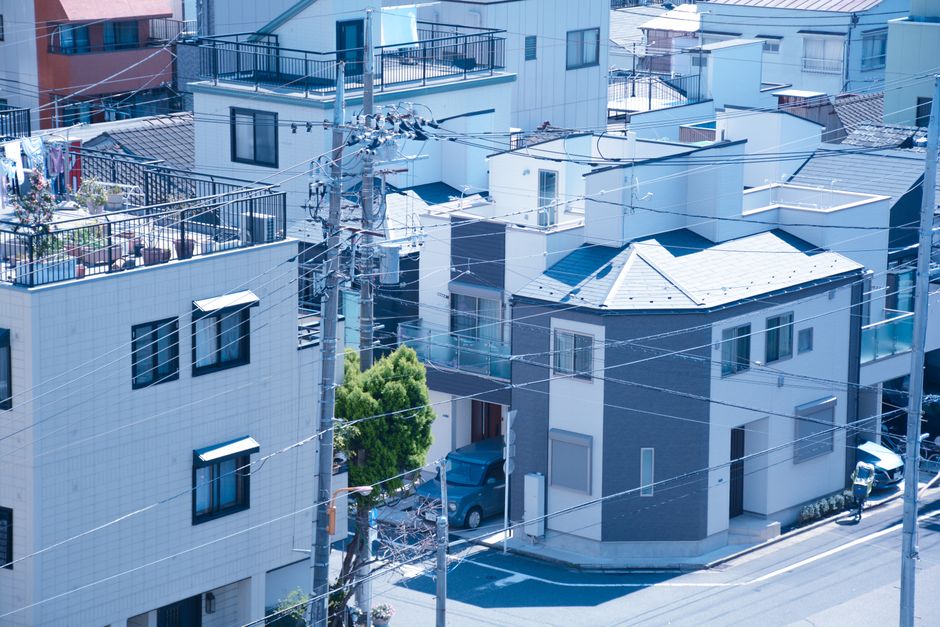
What matters more than headline pricing is what happens to the surrounding tertiary streets. Pre-opening research by local agents suggested that properties within a 400-metre radius—including older apartments in Kasuga and Sendagi lanes—saw inquiry volumes jump 34 per cent in Q1 alone. Those weren't all owner-occupiers. Smaller investors recognised that improved foot traffic and retail activation create yield expansion, particularly for older buildings repositioning as short-term rentals or boutique offices.
The second variable is the East Exit renewal corridor near Shinjuku Station itself. A JPY 185 billion infrastructure programme, due to complete by 2029, is reconfiguring how pedestrian flows work. Currently, roughly 2.7 million people transit Shinjuku daily, but most funnel through predictable routes. The widened plaza and new underground mall access will redistribute that traffic, opening development potential in previously overlooked pockets—areas like the backstreets south of Meiji-dori that have remained stagnant for a decade.
Third is a less-discussed but strategically important green space initiative: the expansion of Shinjuku Gyoen's eastern perimeter pathway, integrated into the city's broader 2030 climate resilience plan. While not a property project per se, it signals municipal prioritisation of amenity-led density, a signal that inner-ward appreciation isn't purely speculative.
The practical lesson: neighbourhood development isn't binary. Properties 100 metres from Minamigate's main entrance will benefit from gravity-pull retail activation and demographic upgrading. But assets two blocks away—lacking direct sightlines or pedestrian connectivity—may not. Smart investors are now mapping "benefit zones" with greater granularity, distinguishing between headline projects and the micro-geography of actual foot traffic capture. In Shinjuku's next three years, that precision will separate steady gains from stalled portfolios.
This article was compiled by AI from the sources linked above and screened before publishing. See our editorial standards.
How does this story make you feel?
Spread the word
About this article
Published by The Daily Tokyo
Daily brief
Free, in your inbox before 7am. Weekdays.
More in Property