Tokyo Rental Property Yield: Guide for First-Time Landlords
Discover realistic rental yields in Tokyo's best neighbourhoods. Learn why Nakano and Musashino outperform central districts, and how to find 4–5% returns on ¥35–45M properties.
Discover realistic rental yields in Tokyo's best neighbourhoods. Learn why Nakano and Musashino outperform central districts, and how to find 4–5% returns on ¥35–45M properties.
Tokyo's property investment landscape has shifted markedly since the pandemic. First-time buyers eyeing rental income must now think strategically about location, yield expectations, and regulatory headwinds. The reality: gross yields across central Tokyo rarely exceed 3–4%, but savvy investors know where to find better returns.
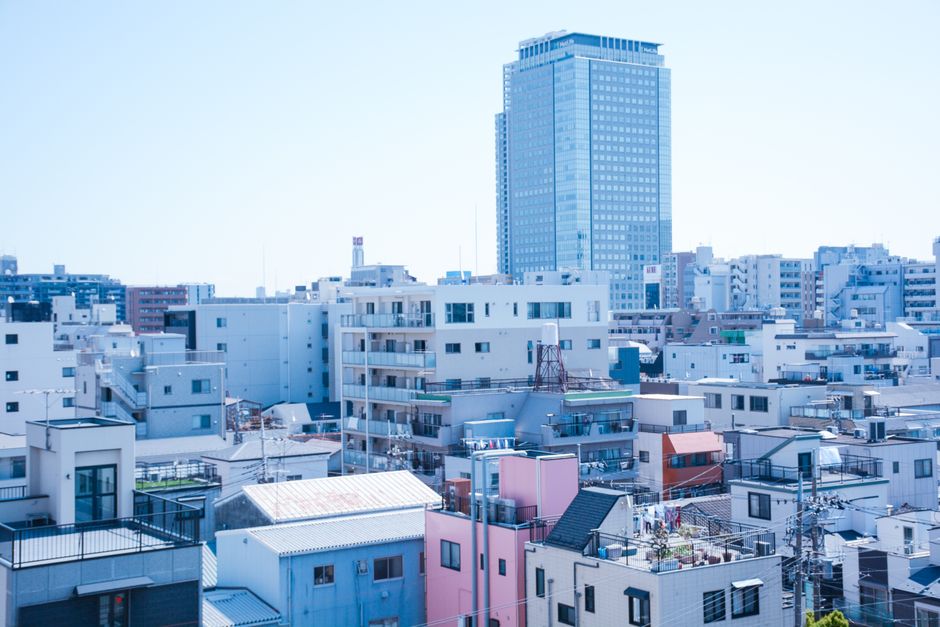
Start by abandoning the Shibuya-Shinjuku dream unless you're chasing long-term capital growth. Yes, a Yamanote Line apartment commands prestige and stable demand, but your yield will suffer. Instead, look towards family-oriented pockets like Musashino and Suginami, where ¥35–45 million properties can generate 4–5% gross yields. Nakano, straddling central and outer metro corridors, has emerged as a sweet spot: proximity to Shinjuku commuters, younger demographic appeal, and rental demand that justifies tighter margins.
Understand your numbers before signing. Deduct property tax (roughly 1.4% annually), insurance, maintenance reserves, and potential vacancy periods. A ¥40 million property renting for ¥180,000 monthly looks attractive on paper—but at 5.4% gross—until you factor in 25–30% operating costs, pushing net yield closer to 3.5–4%. The Real Estate Association of Japan publishes standardised benchmarks; cross-reference these against agent claims.
Tenant management matters enormously. Properties near train stations—Shibuya's 109 shopping district or Shinjuku's south exit—attract transient renters with higher turnover. Family-zoned apartments in Suginami, near Aeon malls and parks, offer longer tenancies (3–5 years) and lower vacancy risk. Stability costs less in yield but gains peace of mind.
Regulatory environment has tightened. Tenant protection laws remain stringent; eviction takes months, not weeks. Set realistic rent-setting expectations and budget for professional property managers (5–8% of rent). Non-resident foreign investors face additional scrutiny; Japan's Banks Association has tightened lending criteria over the past 18 months.
Consider the outer metro expansion corridor—areas like Koenji, where urban renewal projects signal future appreciation. These zones offer 4–5.5% yields today with potential capital growth as infrastructure improves. The trade-off: less immediate tenant demand, requiring patience.
Finally, stress-test your investment. Can you cover mortgage and costs if rent stalls for six months? Tokyo's property market rewards discipline, not emotion. Yields alone won't build wealth here; buy undervalued, renovate thoughtfully, and hold for the long cycle.
This article was compiled by AI from the sources linked above and screened before publishing. See our editorial standards.
How does this story make you feel?
Spread the word
About this article
Published by The Daily Tokyo
Daily brief
Free, in your inbox before 7am. Weekdays.
More in Property