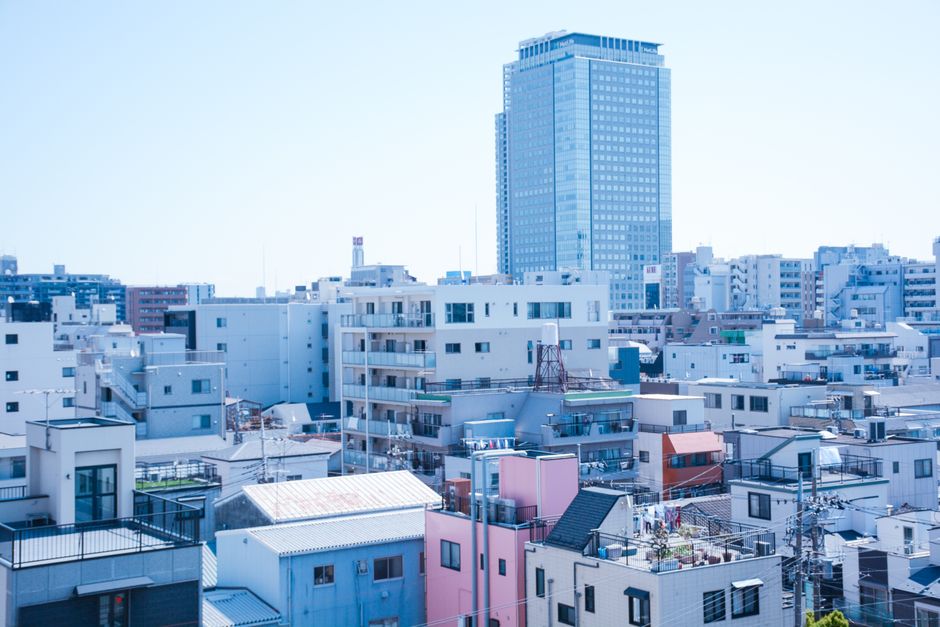
What Tokyo's auction floors and price data are really signalling about affordability
Recent clearance rates and sales patterns suggest the market is bifurcating sharply between core urban assets and outer suburbs.
Recent clearance rates and sales patterns suggest the market is bifurcating sharply between core urban assets and outer suburbs.
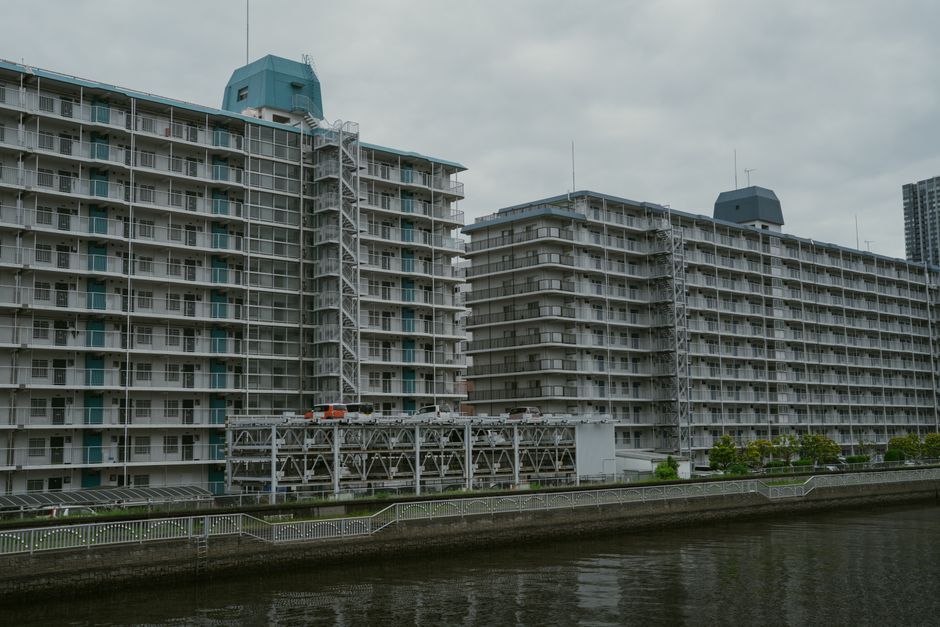
Tokyo's property auction results over the past six months paint a portrait of a market under quiet stress—one where headline prices mask a widening gap between what different buyer cohorts can access and what they're willing to pay.
At the premium end, competition remains fierce. Properties along the Yamanote Line—particularly in Shibuya, Shinjuku, and Minato wards—continue commanding average prices near or above the metropolitan average of ¥55 million. Last month's auctions at the Tokyo Metropolitan Government Building saw three Chiyoda-ward residential lots clear within minutes, suggesting institutional buyers and wealthy domestic investors remain confident in inner-city fundamentals. But the story below that tier is markedly different.
Clearance rates at suburban auctions have dipped noticeably. Properties in Musashino and Suginami—traditionally family-friendly alternatives popular with salaried workers—are taking longer to shift, even as asking prices remain sticky. One recent Mitaka lot, initially priced at ¥38 million, sold after two auction cycles for ¥32 million. That 16 percent markdown is becoming routine in outer wards, according to preliminary Real Estate Information Network data.
What's signalling most clearly is buyer fatigue at middle-market price points. A household earning ¥6–8 million annually—the demographic that historically anchored Tokyo's residential market—faces a stretched affordability ceiling. At current mortgage rates hovering around 2.5–2.8 percent, a ¥35 million property demands household income of roughly ¥10 million to meet conservative lending criteria. That's pushed many toward condominiums in emerging metro nodes like Nakano and Itabashi, or forced them further outward to Saitama and Chiba prefectures entirely.
The auction data also reveals shifting developer strategy. Larger firms are increasingly segmenting supply: fewer mid-range units, more ultra-luxury penthouses and micro-apartments aimed at investors. That leaves the ¥30–45 million price band—where first-time owner-occupiers traditionally shopped—undersupplied and vulnerable to valuation pressure.
Interest-rate movements, regulatory tightening around foreign investment, and demographic contraction in outer wards are all contributors. But the auction floors are signalling something sharper: a market restructuring. Tokyo's affordability crisis isn't uniform. It's selective, geographic, and deepening for a specific income tier that once formed the market's backbone. Until housing supply shifts meaningfully toward that middle band, expect continued bifurcation and slower clearance rates in the suburbs.
This article was compiled by AI from the sources linked above and screened before publishing. See our editorial standards.
How does this story make you feel?
Spread the word
About this article
Published by The Daily Tokyo
Daily brief
Free, in your inbox before 7am. Weekdays.
More in Property