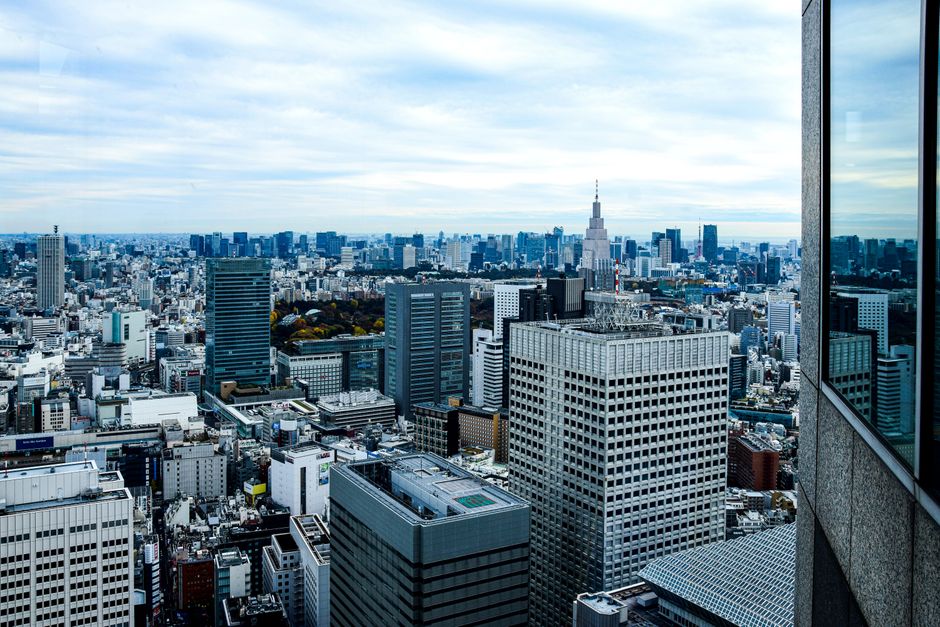
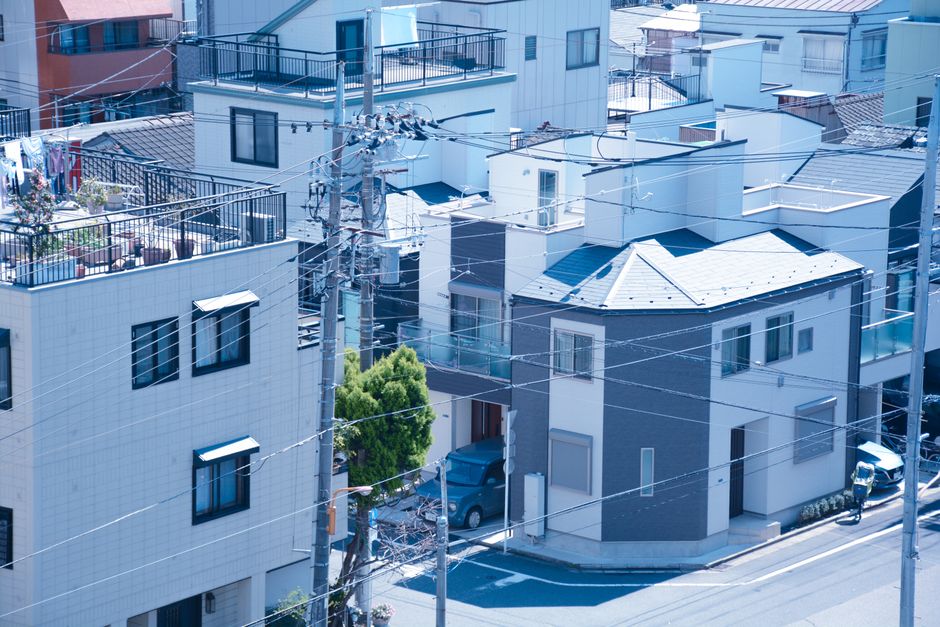
Tokyo's luxury property market, long anchored by Yamanote Line proximity and Shibuya-Shinjuku CBD cachet, is experiencing a subtle but significant realignment. The culprit? A cascade of planning regulation changes introduced over the past 18 months that have tightened development capacity in prestige neighbourhoods while opening unexpected opportunities on the market's periphery.
The Metropolitan Government's revised height and density restrictions, implemented across central wards including Chiyoda, Minato, and Shibuya, have eliminated approximately 15–20% of potential large-scale residential projects in premium zones. Consequently, trophy properties on tree-lined streets like Roppongi's Axis-mae district and Akasaka's embassy-adjacent precincts now command even steeper premiums. Average prices for luxury apartments in these microcosms have drifted toward ¥80–90 million, a 12% year-on-year increase attributed largely to supply constraints rather than demand surge.
Meanwhile, Shinjuku's new cultural heritage overlay—protecting historic streetscapes around Meiji Dori—has paradoxically boosted prices for eligible plots immediately outside the boundary. Developers and buyers have pivoted toward adjacent Musashino and Suginami, traditionally family-oriented suburbs, where planning rules remain permissive. Ultra-modern luxury condominiums targeting dual-income professionals now dot formerly residential Kichijoji and Shimokitazawa, challenging the Yamanote Line's historical monopoly on prestige.
Real estate consultancy reports from Tokyo Metropolitan Real Estate Association indicate that luxury buyers—typically UHNW individuals and corporate entities—are adapting strategies. Rather than waitlist vacant Minato-ward sites at ¥120+ million, a growing segment is acquiring development-rights on Outer Metro plots, betting on longer-term appreciation as rail infrastructure and gentrification spread.
The policy shift also reflects Tokyo's evolving urban planning philosophy: balancing density with liveability and heritage preservation. The Metropolitan Government has signalled further refinement in 2027, including stricter setback requirements and green-space mandates. Luxury developers are front-loading projects before rules tighten further.
For international buyers accustomed to transparent, stable planning environments, Tokyo's regulatory landscape remains opaque and reactive. Yet the current pivot—constraining central luxury while liberalising outer metro—suggests a deliberate effort to distribute wealth and infrastructure investment beyond traditional enclaves. The jury remains out on whether this redistributes prestige or simply fragments it.
This article was compiled by AI from the sources linked above and screened before publishing. See our editorial standards.