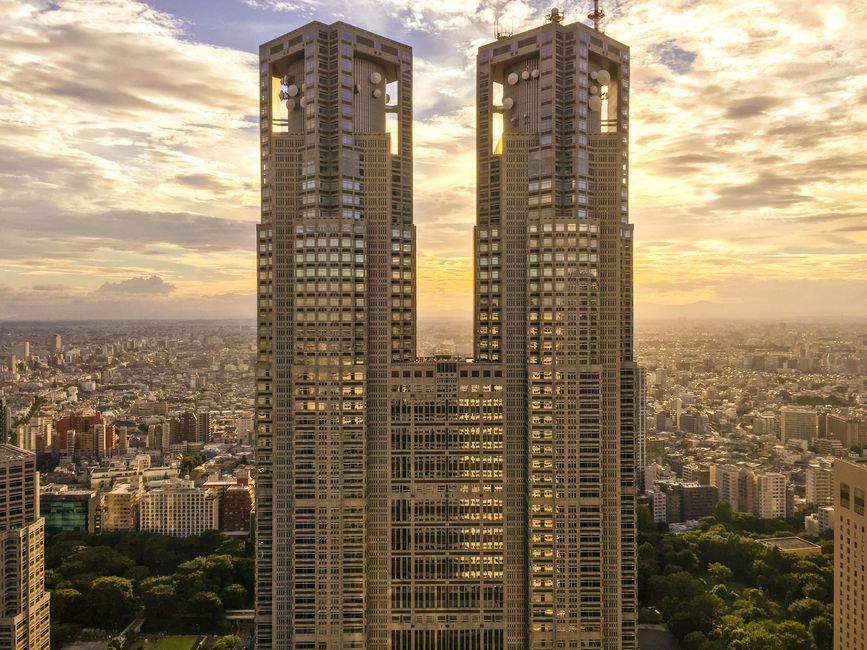
Tokyo's property investment landscape is shifting beneath landlords' feet. The Tokyo Metropolitan Government's June announcement of streamlined planning approvals for mixed-use development and updated rental dispute resolution frameworks has sent experienced investors scrambling to reassess portfolio strategy across the city's most lucrative zones.
The policy changes—aimed at unlocking housing supply across central wards while protecting tenant rights—represent the most significant regulatory overhaul since 2018. For yield-focused landlords holding assets near Shibuya Station or along the Yamanote Line corridor, the implications are immediate and complex.
Properties in Minato ward, where average asking prices hover near ¥68 million, now face tighter regulations on conversion to student or corporate housing—historically high-yield segments. The metropolitan government's new tenant protection ordinance extends mediation services and raises dispute resolution standards, effectively narrowing the margin between rental income and compliance costs. A typical Roppongi or Azabu-Juban apartment that once yielded 4–5 per cent annually may now settle closer to 3.2–3.8 per cent when legal reserves are factored in.
Conversely, suburbs along the Chuo Line through Suginami and Musashino are experiencing unexpected uplift. Relaxed zoning in these family-oriented areas now permits mixed residential-retail development, expanding the investor pool and stabilising long-term tenant demand. Properties priced at ¥42–48 million are attracting corporate and institutional buyers betting on 25-year rental stability—a trade-off many prefer over high-volatility CBD plays.
The shift reflects a broader metropolitan strategy: decentralising wealth accumulation away from premium inner wards toward sustainable, middle-income residential corridors. For landlords, the message is clear—the days of passive 5 per cent-plus returns on central Tokyo property are contracting.
Savvy investors are already repositioning. Rather than holding multiple small units in Shibuya or Shinjuku, some are consolidating into larger, regulation-compliant buildings eligible for the government's new green-upgrade subsidy scheme, which offers tax breaks for improving energy efficiency. Others are pivoting toward Ikebukuro's emerging tech corridor or Koenji's creative-quarter renaissance, where policy incentives favour longer-term, community-focused development.
The Real Estate Investment Association of Japan reports that portfolio diversification across multiple wards is now standard practice, replacing the concentrated Yamanote premium strategy of five years ago. For landlords unprepared for these shifts, the yield compression will be painful. For those adapting swiftly, policy-driven market fragmentation offers fresh opportunities in Japan's most expensive city.
This article was compiled by AI from the sources linked above and screened before publishing. See our editorial standards.