What Tokyo's luxury auction results are really signalling about ultra-prime property
Price data from Minato's waterfront towers to Chiyoda's heritage districts reveals a market splitting between trophy assets and everything else.
Price data from Minato's waterfront towers to Chiyoda's heritage districts reveals a market splitting between trophy assets and everything else.
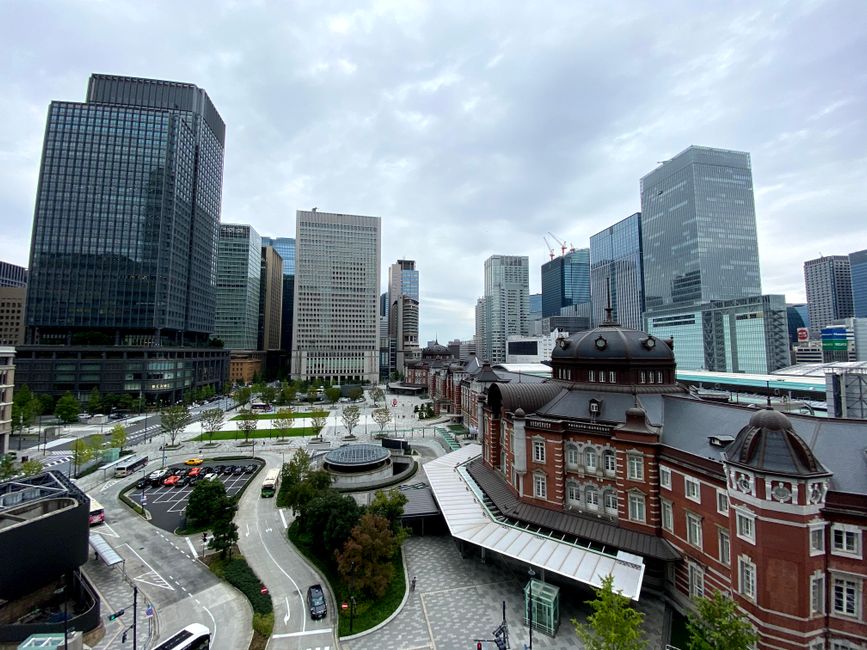
Tokyo's luxury property market is sending contradictory signals—and the data tells a clearer story than headlines alone.
Recent auction results from the Greater Tokyo Association show high-end residential transactions above ¥100 million have maintained volume through the first half of 2026, even as broader market clearance rates slipped. That paradox matters. It suggests ultra-prime property—concentrated in Minato's Roppongi Hills precinct, the Marunouchi-facing estates of Chiyoda, and Shibuya's emerging Miyashita Park periphery—operates in a different market entirely from the average ¥55 million Tokyo property.
The signal: scarcity and narrative drive luxury more than rate cycles.
Waterfront developments along the Sumida and in Odaiba continue to command premiums, with several trophy apartments in the ¥150–200 million range shifting in off-market transactions. These aren't inventory-clearing sales. They're patient capital seeking lasting addresses. Agents report international buyer interest remains steady—particularly from Hong Kong and Singapore—suggesting Tokyo's ultra-prime segment has decoupled from domestic sentiment.
Meanwhile, data from the Real Estate Market Research Institute shows mid-range Yamanote Line properties—the traditional prestige belt spanning Shinjuku, Shibuya, and Minato wards—facing softer momentum. This is where the real market story lives: scarcity-driven ultra-luxury remains resilient, but everything below ¥80–100 million faces modest headwinds.
Heritage-heavy districts tell another tale. Chiyoda's traditional residential lanes near the Imperial Palace and certain Bunkyo precincts have attracted investor attention as trophy portfolios rather than primary residences. Auction activity there suggests these areas are being repositioned as alternative-investment real estate—a shift worth monitoring.
For the prestige segment specifically, auction data signals three things: first, transaction velocity among trophy properties (¥100m+) has not declined materially; second, international capital remains a meaningful buyer; third, location premium—Minato, central Chiyoda, Shibuya village core—has widened, not narrowed.
The broader implication is that Tokyo's luxury market isn't contracting. It's consolidating. Ultra-prime assets with heritage appeal, waterfront positioning, or trophy-district credentials continue to find buyers at disciplined prices. Everything else—solid middle-market family homes in Musashino or Suginami, or Yamanote Line apartments without unique provenance—faces the slow pressure of normalising interest rates and shifting buyer appetite.
Auction results aren't predicting a crash. They're signalling that prestige, in Tokyo's market, is about irreplaceability more than price.
This article was compiled by AI from the sources linked above and screened before publishing. See our editorial standards.
How does this story make you feel?
Spread the word
About this article
Published by The Daily Tokyo
Daily brief
Free, in your inbox before 7am. Weekdays.
More in Property