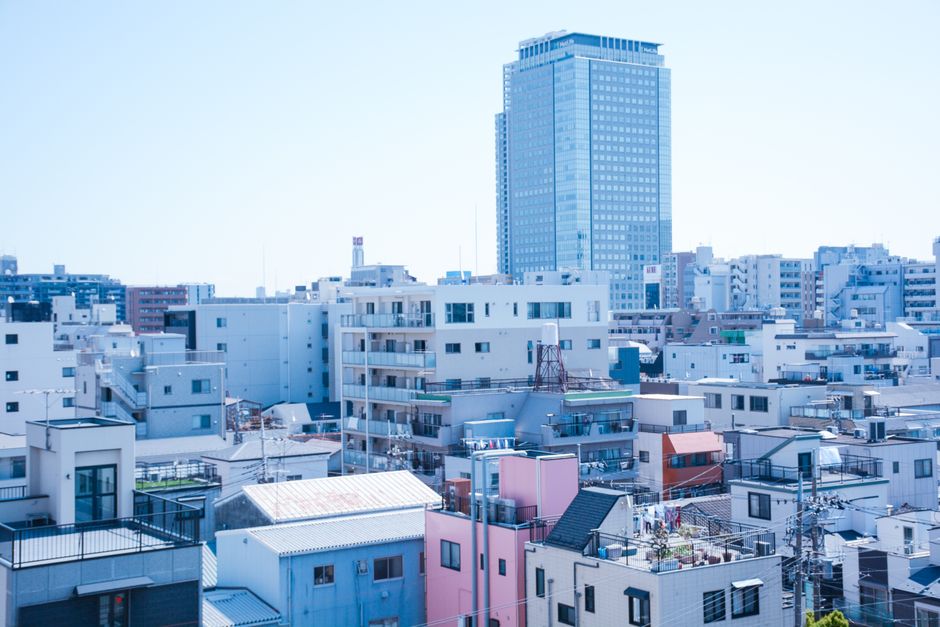
Tokyo's residential property market has entered a new phase. With the metropolitan average hovering near ¥55 million and premium Yamanote Line properties commanding stratospheric premiums, the question isn't whether prices are high—it's what's actually sustaining them, and whether the current trajectory is sustainable.
Three structural forces are reshaping Tokyo's housing landscape in 2026. First, land scarcity within accessible zones has created a genuine supply constraint. Properties within walking distance of Shibuya Station or along the Chiyoda Line corridor in Minato ward remain hotly contested, with developers reporting that suitable development sites are increasingly difficult to secure. Conversely, outer metropolitan areas like Musashino and Suginami continue to attract families seeking space at lower price points—though even these traditionally affordable zones have seen steady appreciation as commute times to central Tokyo remain manageable.
Second, regulatory changes around zoning and heritage preservation have tightened the development pipeline. The Tokyo Metropolitan Government's stricter guidelines for renovation in historic precincts around Asakusa and Yanaka have pushed investors toward greenfield projects in emerging areas like Kashiwa and Nagareyama, creating a bifurcated market: established, accessible neighborhoods command premium valuations, while peripheral growth zones offer opportunity for patient capital.
Third—and most significantly for buyers—interest rate expectations have stabilized. After years of policy uncertainty, institutional investors and individual purchasers are operating with clearer assumptions about borrowing costs. This has paradoxically steadied prices in trophy locations while creating volatility in middle-market segments, where buyer psychology remains volatile.
For prospective owners, the message is clear: proximity to transport hubs matters more than ever. A modest apartment in Ikebukuro with direct Yamanote access will likely outperform a larger property in Setagaya requiring a car commute. Families should scrutinize school catchment areas and proximity to parks—demand for green space has intensified post-pandemic, lifting values in neighborhoods near Rikugien and Komazawa Koen.
Investors should look beyond headline prices. While Shinjuku's commercial property sales have grabbed attention, residential rental yields in emerging Musashino neighborhoods often exceed 4 percent—compared to 2.5 percent in central Minato. First-time buyers should act decisively once preferences are clear; the era of waiting for significant corrections appears to have passed.
Tokyo's market isn't broken. It's simply repricing based on real constraints, regulatory reality, and demographic facts on the ground. Knowing what's driving prices today is the first step to making a rational purchase decision.
This article was compiled by AI from the sources linked above and screened before publishing. See our editorial standards.