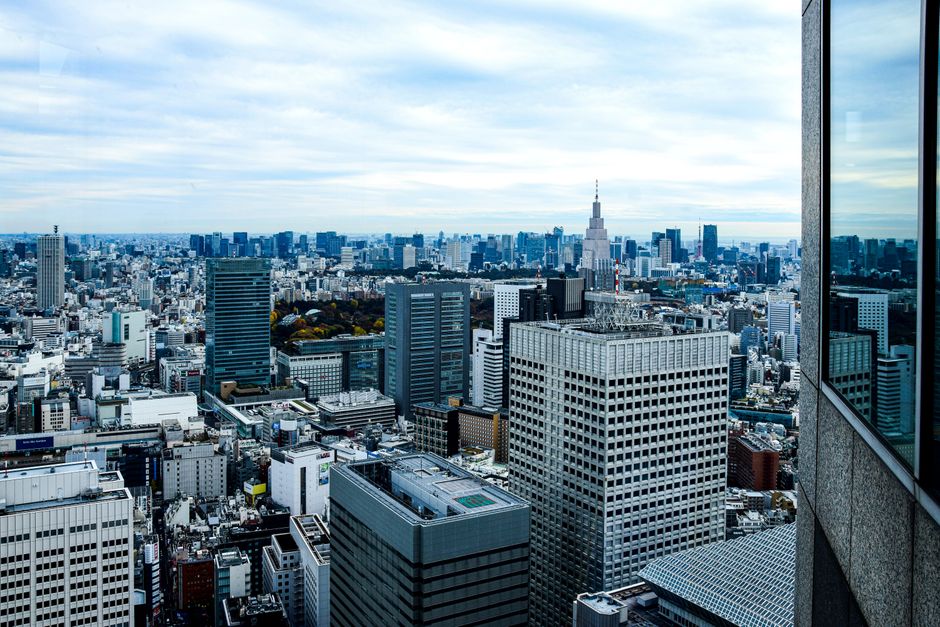
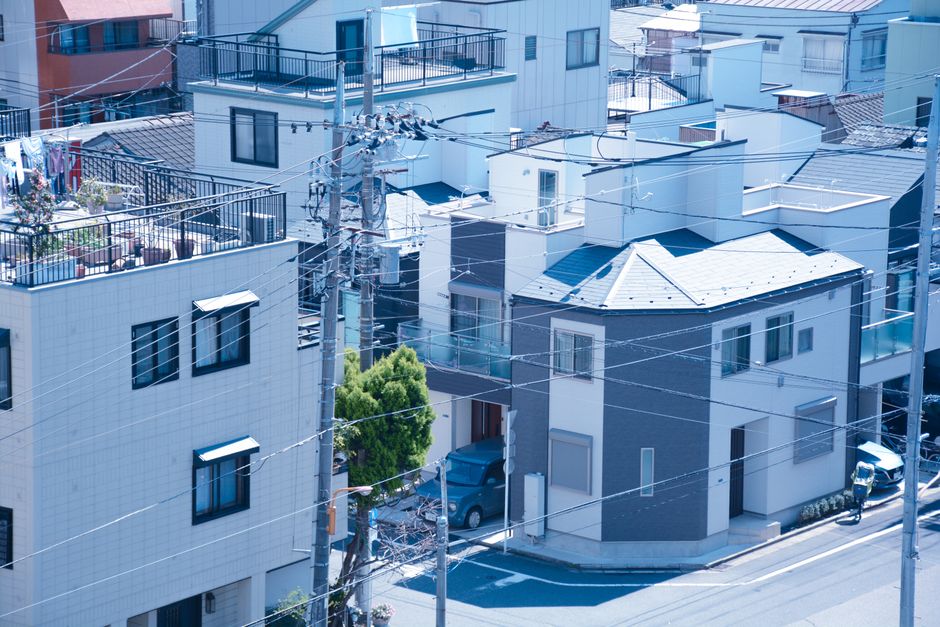
Stepping into Tokyo's property market as a first-time buyer can feel overwhelming. Average prices sit around ¥55 million, and while outer metro areas like Musashino and Suginami offer relative affordability, navigating grants and financing options remains crucial for securing your foothold.
The good news: Japan's government actively supports first-time buyers through several schemes. The most significant is the Housing Loan Deduction, which allows eligible first-time buyers to deduct up to ¥400,000 annually from taxable income over 13 years on loans up to ¥4 million. The Flat 35 program—offered through the Japan Housing Finance Agency—provides long-term, fixed-rate mortgages up to ¥8 million with minimal down-payment requirements, making it particularly valuable for those without substantial capital saved.
Tokyo Metropolitan Government also offers its own incentives. First-time buyers purchasing property in designated revitalisation zones—including certain pockets of Chiyoda, Minato and beyond the Yamanote Line circle—may qualify for grants up to several million yen, though eligibility criteria are strict and change annually.
For financing, Japanese banks typically require 20 percent down payment, though some lenders accept as little as 10 percent for first-timers with stable employment. Your gross annual income should ideally be at least ¥3.2 million to qualify for a ¥55 million mortgage. Employment stability matters more than credit history here—permanent contracts carry significantly better terms than contract work.
Location strategy matters. Family-oriented Suginami and Musashino neighbourhoods near stations like Shinjuku and Shibuya on the Yamanote Line offer better value than inner Minato or central Shibuya, where ¥2.3 million apartments remain common. First-timers increasingly look further out—areas around Nakano or Koenji provide reasonable access to central employment while keeping prices below ¥40 million for modest units.
Before engaging brokers in Shinjuku or Shibuya's dense agency clusters, contact the Tokyo Real Estate Information Centre or visit local government housing departments in your target ward. They provide free consultations on available grants specific to your circumstances and preferred neighbourhood.
Your timeline matters too. Spring—when new fiscal years begin—often sees government incentive windows open or close. Early planning with a housing specialist from major banks or credit unions can unlock additional programmes unavailable to casual browsers.
The entry threshold is high, but systematic navigation of grants, fixed-rate mortgages, and strategic neighbourhood selection makes Tokyo homeownership achievable for disciplined first-timers.
This article was compiled by AI from the sources linked above and screened before publishing. See our editorial standards.