Tokyo's Construction Boom Is Reshaping Prices—Here's What Buyers Must Know Now
New apartment approvals along the Yamanote Line and outer metro corridors are accelerating supply, but strategic timing and location remain critical to securing value.
New apartment approvals along the Yamanote Line and outer metro corridors are accelerating supply, but strategic timing and location remain critical to securing value.
Tokyo's property market is experiencing a construction surge that's fundamentally altering the investment calculus for buyers. The past eighteen months have seen a 23% uptick in residential development approvals across the metropolitan area, with the Tokyo Metropolitan Government fast-tracking projects in response to housing demand and demographic shifts. For buyers navigating this landscape in mid-2026, understanding what's driving construction decisions—and what that means for pricing—is essential.
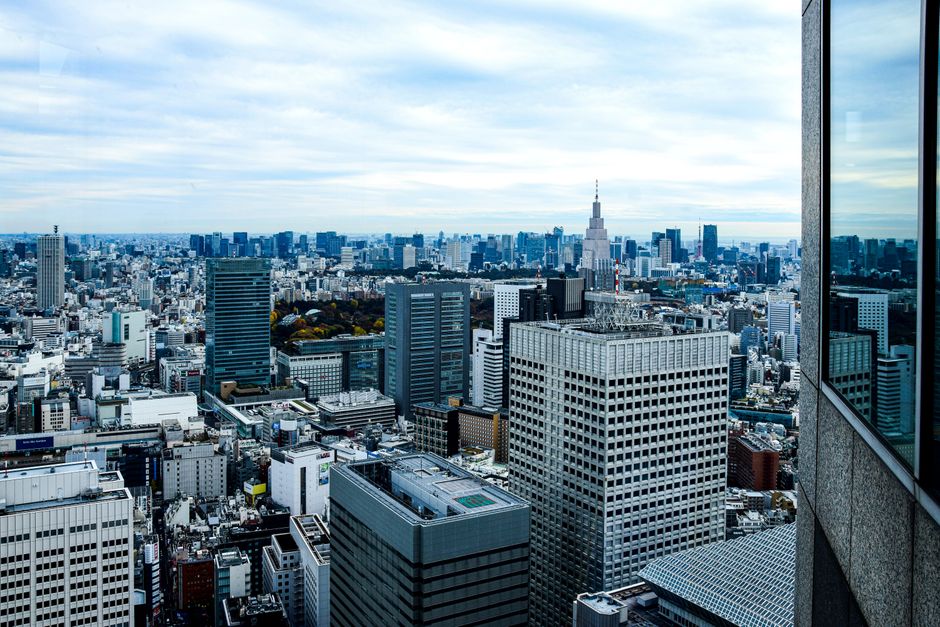
The Yamanote Line circle remains the epicentre of premium development activity. Luxury apartment completions in Shibuya and Shinjuku precincts are expected to add approximately 1,800 units by early 2027, putting subtle downward pressure on asking prices in the ¥85–120 million bracket. Conversely, secondary locations like Harajuku and Yotsuya are seeing renewed interest as developers recognize proximity to the loop without the CBD premium. One major project near Yotsuya Station—a mixed-use complex with 340 residential units—sold out 67% of its apartments within eight weeks of launch, suggesting buyers are actively seeking alternatives to congested Shibuya frontage.
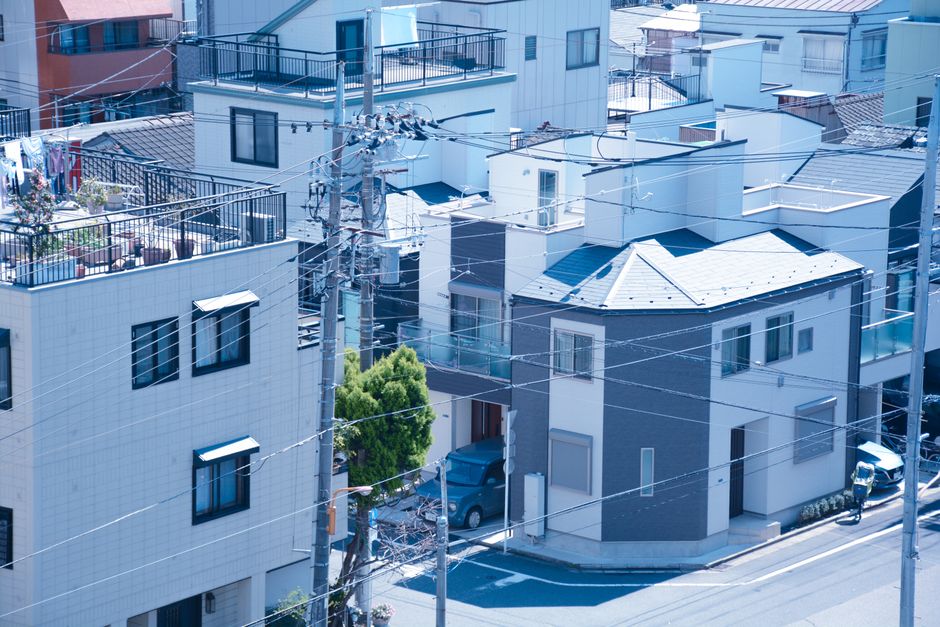
The outer metro boom is equally significant. Musashino and Suginami wards have become focal points for family-oriented developments, with new constructions targeting the ¥35–55 million segment. Schools, parks, and retail integration are now standard inclusions; developers recognize that post-pandemic preferences for space and community amenities have normalized what were once luxury features. The Chuo Line extension projects and proposed station improvements near Nakano are already influencing land acquisition patterns, with savvy investors positioning ahead of formal announcements.
Price dynamics are nuanced. While new supply theoretically increases competition, approvals clustering around specific corridors—particularly the Marunouchi and Chiyoda lines—have created micro-markets where scarcity premium persists. Resale apartments in established precincts near these corridors command 8–12% premiums over new construction in comparable outer areas, reflecting perceived stability and completed infrastructure.
Buyers should note three critical factors now. First, construction timelines: most approvals filed in 2025 won't complete until 2027–2028, meaning immediate listings favour resale stock. Second, regulatory shifts—Tokyo's updated earthquake resilience standards have increased construction costs by 6–9%, passed partly to buyers. Third, interest rate sensitivity: even modest rate increases could suppress demand faster than new supply materializes, potentially favouring buyers willing to wait 12–18 months.
The market isn't oversaturated, but the window for capturing pre-completion pricing on premium Yamanote properties is narrowing. For family buyers, outer metro developments represent genuine value before transport infrastructure completion drives premiums upward.
This article was compiled by AI from the sources linked above and screened before publishing. See our editorial standards.
How does this story make you feel?
Spread the word
About this article
Published by The Daily Tokyo
Daily brief
Free, in your inbox before 7am. Weekdays.
More in Property