Tokyo's Mixed-Use Zoning Shift Reshapes Affordability Along the Yamanote Line
New metropolitan planning rules aim to unlock housing supply in commercial districts, but early market data reveals winners and losers across the capital's neighborhoods.
New metropolitan planning rules aim to unlock housing supply in commercial districts, but early market data reveals winners and losers across the capital's neighborhoods.
Tokyo's residential property market is experiencing an unexpected realignment following the Metropolitan Government's April 2026 zoning reform, which permitted residential development in previously commercial-only areas along major transit corridors. The policy, designed to ease Japan's chronic housing shortage, has already triggered visible price shifts across the city's most tightly constrained neighbourhoods.
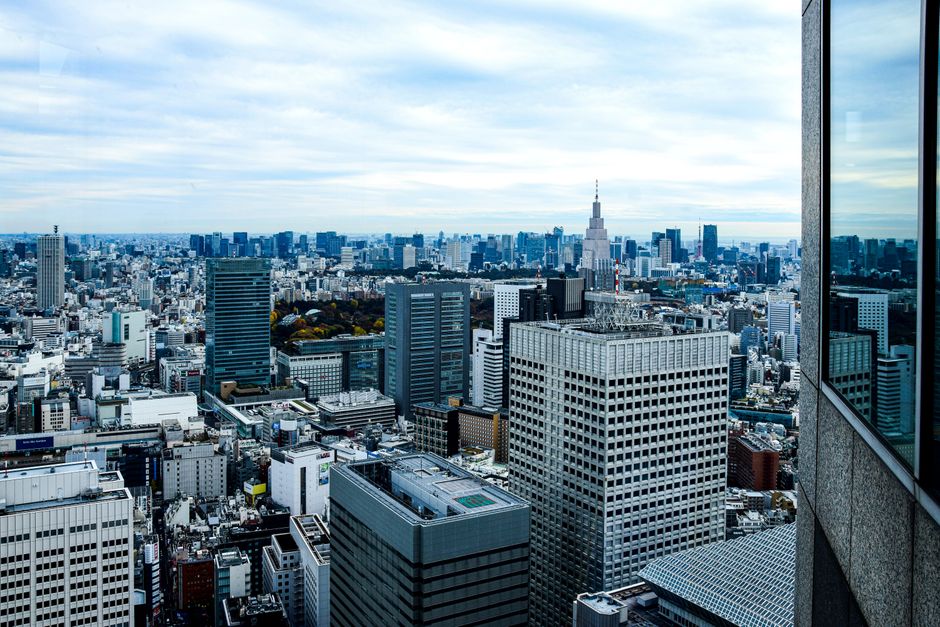
The reform specifically targeted Shibuya and Shinjuku's retail-dominated precincts, where office vacancy has climbed to 8.2% post-pandemic. Under the new framework, landowners can now convert upper-floor commercial space to residential use without full rezoning approval. Early adopters have begun converting ageing office buildings, particularly along Meiji-dori and around Yotsuya Station, where mixed-use projects promise to deliver approximately 2,800 new units within 18 months.
Market impact has been swift. Property values in Shibuya's commercial zones dropped 4.3% in the first two months following the announcement, as investors reassessed long-term retail viability. However, this downward pressure has created entry points for residential developers. A recent transaction near Harajuku Station saw a 1970s office building sell for JPY 680 million—approximately 12% below 2025 comparables—specifically because conversion prospects made it attractive to residential operators rather than traditional commercial buyers.
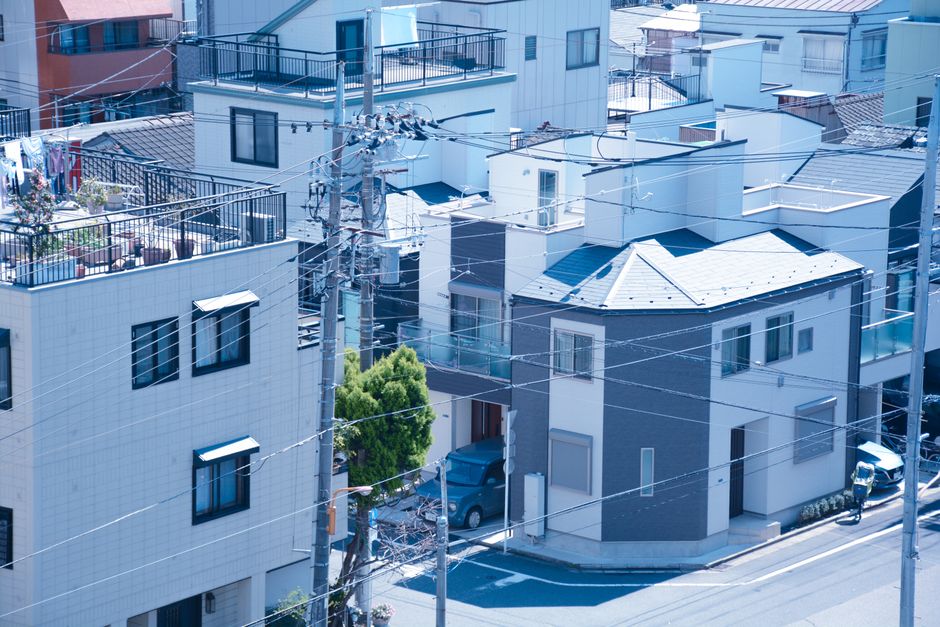
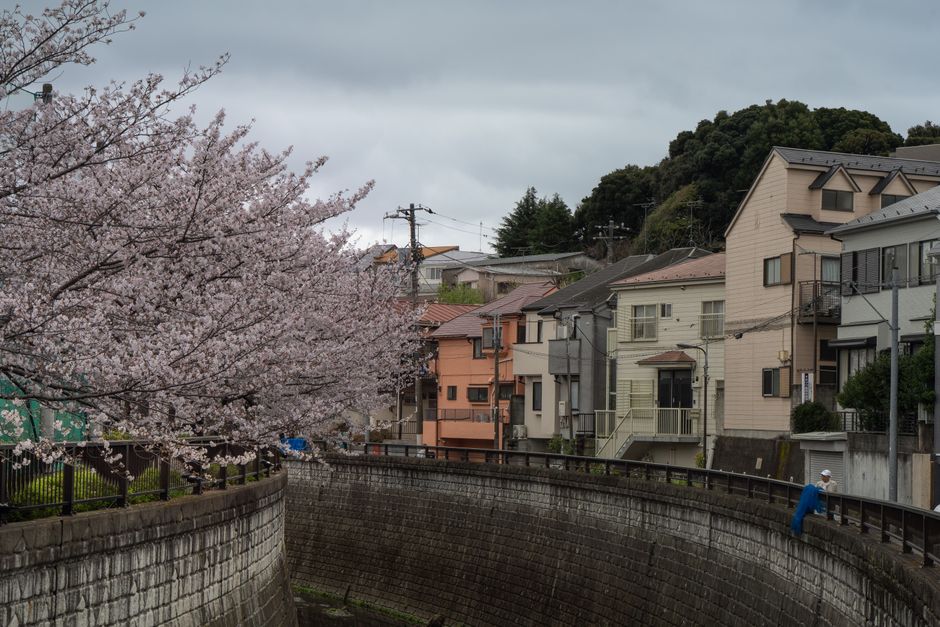
The policy's effects ripple differently across the metropolitan area. In family-oriented Musashino and Suginami, where single-family detached homes remain the norm, prices have held steady around the JPY 55 million Tokyo average. Yet demand for inner-city apartments has visibly intensified. Agents report accelerated inquiries for smaller units (40–60 square metres) near major Yamanote Line stations, with rental yields becoming increasingly competitive as new supply floods the market.
Crucially, affordability gains remain uneven. While conversion projects target mid-range segments—approximately JPY 45–65 million for new central units—existing residents in established residential areas face renewed competition from wealthy investors hedging against continued yen weakness. Outer-metro suburbs like Nakano and Ogikubo, historically affordable alternatives, have seen corresponding price appreciation as overflow demand spreads outward.
The Metropolitan Government's Urban Renaissance Bureau has framed the reform as a 20-year supply initiative. Market observers, however, note that policy success ultimately depends on sustained development momentum and whether affordability gains materialise before speculative investment cycles reassert dominance. The coming 12 months will prove decisive in determining whether deregulation genuinely expands middle-income housing access or simply reshuffles Tokyo's chronic supply crisis.
This article was compiled by AI from the sources linked above and screened before publishing. See our editorial standards.
How does this story make you feel?
Spread the word
About this article
Published by The Daily Tokyo
Daily brief
Free, in your inbox before 7am. Weekdays.
More in Property