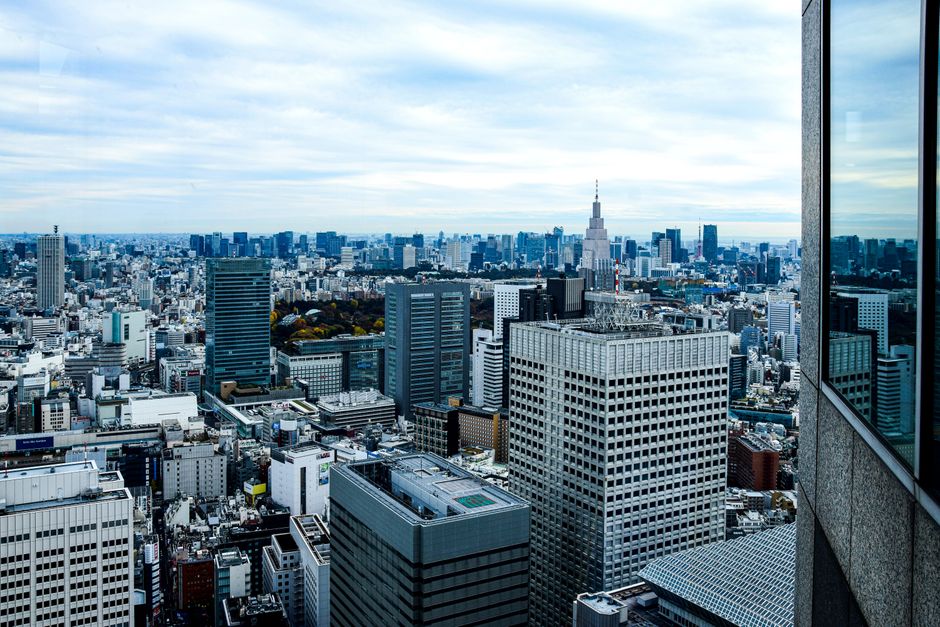
Tokyo's rental market has entered unfamiliar territory. Vacancy rates in Shibuya and Shinjuku have compressed to historic lows—hovering around 2-3% in prime Yamanote Line precincts—while landlords in outer wards like Suginami and Musashino report unexpected softness. The result is a bifurcated market where location determines whether you're negotiating from strength or desperation.
For tenants seeking apartments near Meiji Shrine or within walking distance of Shibuya Station, the reality is brutal. Monthly rents for a two-bedroom in central Shibuya now average ¥280,000-¥320,000, and available stock disappears within days. Real estate agents report that applications for desirable units exceed offerings by ratios of 20:1. Key money—the non-refundable deposit historically expected in Tokyo—remains stubbornly high, with agents routinely asking for two months' rent upfront despite national sentiment turning against the practice.
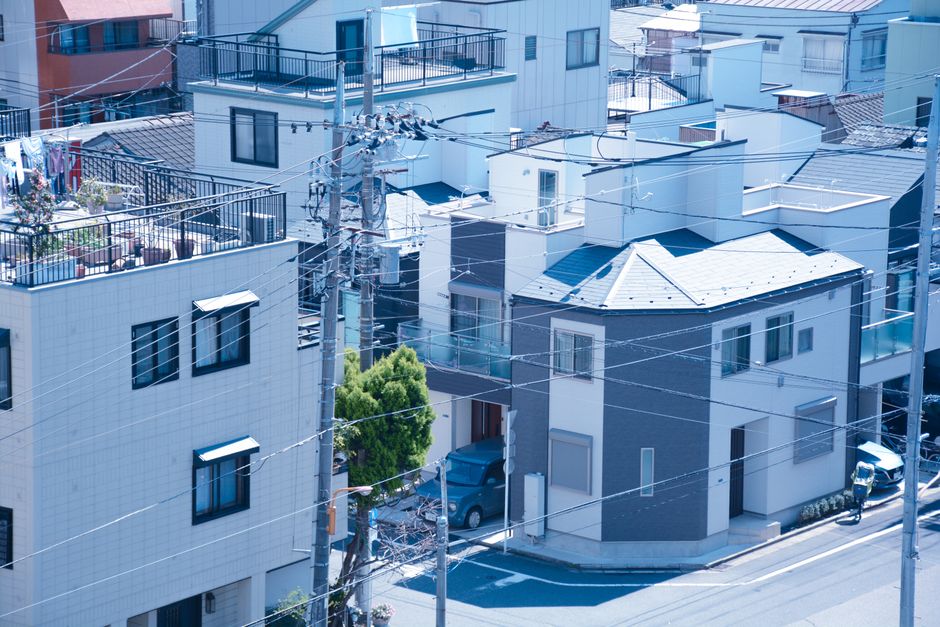
The Japan Real Estate Institute's latest data shows that while metropolitan Tokyo maintains vacancy below 3%, the narrative diverges sharply by ward. Family-oriented Musashino, traditionally a draw for young professionals relocating from central wards, now sits at 4.2% vacancy—a meaningful gap that's emboldening tenant negotiation. Here, landlords are offering incentives: reduced key money, furnished layouts, and flexible lease terms that would be unthinkable in Chiyoda or Minato.
Landlords face their own pressures. In outer zones, declining youth migration—partly due to remote work flexibility—has extended average vacancy periods from 18 days to 38 days. A modest three-storey building in Suginami recently sat empty for four months. This has forced property owners to modernise aging stock and absorb costs historically passed to tenants. Some are installing high-speed fibre, upgrading kitchens, or accepting rent reductions to secure stable long-term occupants.
The Tokyo Metropolitan Government's rental mediation service reports a 12% increase in dispute cases over the past 18 months, reflecting tension as traditional power imbalances shift. Central ward landlords maintain leverage but face increasing scrutiny over opaque fees. Meanwhile, suburban property owners—particularly around stations like Kichijoji and Shimokitazawa—are discovering that transparency and flexibility now drive occupancy.
For renters, the calculus is clear: proximity to the Yamanote Line commands a premium that shows no sign of softening. But those willing to venture to Musashino or Suginami will find a market responsive to negotiation—and landlords genuinely interested in keeping units occupied.
This article was compiled by AI from the sources linked above and screened before publishing. See our editorial standards.