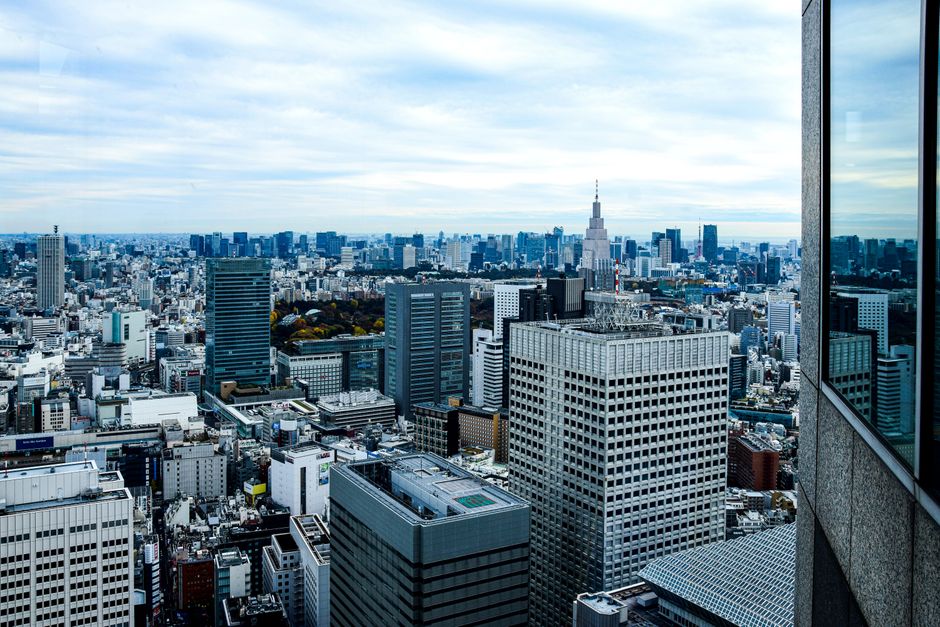
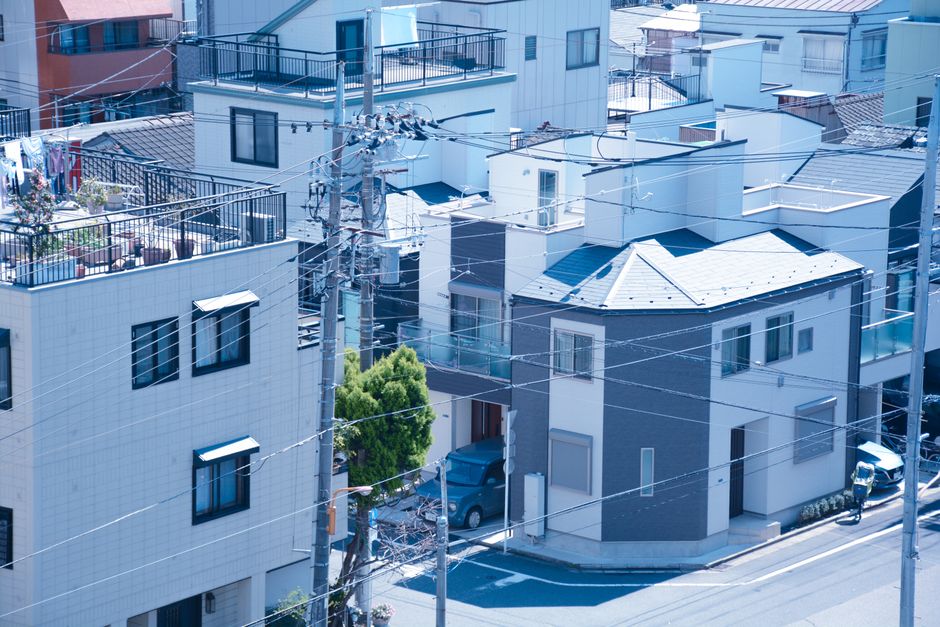
Tokyo's rental market is experiencing a quiet but significant shift as a wave of new residential developments alters the supply-demand equation across multiple districts. Projects like the redevelopment corridors along the Yamanote Line's eastern side and the residential towers sprouting in Minato—particularly near Tamachi and Shibakoen—are introducing thousands of modern units into a market historically defined by scarcity and landlord advantage.
This influx carries real consequences for tenants and neighbourhoods alike. Vacancy rates, traditionally hovering near 5-7% across central Tokyo, have crept toward 9-10% in select pockets of Chiyoda and Minato where new supply has concentrated. For context, a one-bedroom apartment in Shibuya or Shinjuku typically commands JPY 180,000–220,000 monthly; equivalent units in nearby new developments are increasingly undercutting those figures by 10-15%, signalling genuine market competition.
The ripple effects extend beyond CBD corridors. Family-oriented districts like Musashino and Suginami are witnessing their own redevelopment activity. The completion of mixed-use projects near Kichijoji and Asagaya stations has introduced modern rental stock that appeals to younger families, traditionally priced at JPY 140,000–160,000 for two-bedroom units. Older landlords in surrounding areas report longer vacancy windows—a dramatic departure from the era when properties filled within weeks.
Tenants navigating this new landscape hold unprecedented bargaining power. Landlords offering older buildings without recent renovations now frequently negotiate on deposit structures, key money requirements, and lease flexibility. Estate agents report increasing requests for move-in incentives and reduced contract terms—concessions virtually unthinkable five years ago.
The outer metro expansion compounds these shifts. Developments along the Chuo, Sobu and Marunouchi lines in Suginami and Nakano are luring renters from inner wards, creating secondary vacancy pressures in traditionally stable neighbourhoods. Properties near Ochanomizu and Yotsuya, once guaranteed quick lettings, now experience 2-3 week turnovers.
For prospective tenants, the message is clear: timing and location flexibility yield genuine savings. Units in buildings completed within the last 18 months offer the strongest negotiating positions, while those in high-development neighbourhoods provide the most competitive pricing. The average Tokyo rental—roughly JPY 110,000 citywide—masks widening geographic disparities driven entirely by supply concentration.
As developers continue greenfield projects in Chiyoda's eastern precincts and Minato's waterfront zones, expect these dynamics to intensify through 2027. For the first time in a generation, Tokyo's rental market is beginning to answer to tenant demand rather than scarcity alone.
This article was compiled by AI from the sources linked above and screened before publishing. See our editorial standards.