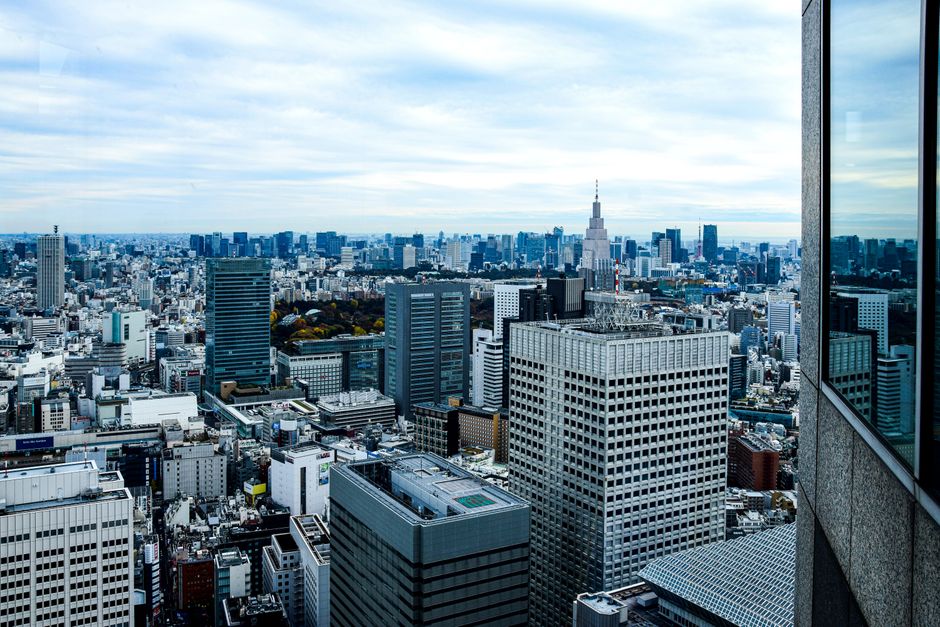
Tokyo's New Wave: What Developer Returns Really Tell Us About the Market
As construction approvals surge across the metro, investor yield data reveals a market bifurcated between safe Yamanote plays and riskier outer-ward bets.
As construction approvals surge across the metro, investor yield data reveals a market bifurcated between safe Yamanote plays and riskier outer-ward bets.
Tokyo's construction approval pipeline is accelerating. The Metropolitan Government reported 847 new residential projects greenlit in the first half of 2026—a 12% uptick from the same period last year. But beneath the headline growth lies a more complex investor story: where capital flows, and at what return, is reshaping how developers think about the city's future.
The data splits neatly along geographic lines. In the Yamanote Line circle—where the metropolitan average sits at ¥55 million—new luxury projects from Minato through Shibuya are commanding gross yields of 2.8% to 3.2%, based on completed sales analysis. A new 28-unit development near Omote-sandō station, completed this month, shifted half its inventory within six weeks at an average ¥78 million. Investors accepted lower yields for location certainty and rental demand underpinned by Tokyo's persistent white-collar base.
The story changes dramatically beyond the circle. In Musashino and Suginami—historically family-oriented wards now attracting developer attention—new mid-rise projects are delivering 4.1% to 4.7% gross yields. A mixed-use development along the Kichijōji-dōri corridor, approved last month, projects 5% returns for early-stage investors betting on gentrification. These outer-metro plays account for 34% of approvals this year, up from 28% in 2025.
The CBD—Shinjuku, Chiyoda's government precinct—tells a cautionary tale. New office-residential hybrids approved in 2025 are underperforming yield expectations by 0.4% to 0.6%, as post-pandemic remote work policies dampen commercial space demand. Developers have adjusted, with five recent applications seeking mixed-use zoning that prioritises residential units over office. This regulatory flexibility is critical; it suggests Tokyo's planning framework is responding to market signals faster than critics expected.
What does this mean for investors? The data shows a market rewarding differentiation. Generic mid-rise apartments in saturated inner wards struggle. But projects with specificity—transit connectivity, family amenities, or positioned for outer-metro gentrification—are attracting capital. The ¥2 billion in approvals flagged for Suginami this quarter, for instance, is largely developers betting that rising accessibility and younger demographic shifts will eventually justify current entry prices.
The variance also reflects regulatory success. Tokyo's clearance-rate management and rate-sensitive lending environment have made marginal projects unviable. What gets built now must work financially from day one. That's discipline. Whether it's sustainable as interest rates stabilise remains the season's real question.
This article was compiled by AI from the sources linked above and screened before publishing. See our editorial standards.
How does this story make you feel?
Spread the word
About this article
Published by The Daily Tokyo
Daily brief
Free, in your inbox before 7am. Weekdays.
More in Property