Tokyo Rental Market: Vacancy Rates Reshape Tenant Costs
Tokyo's rental vacancy crisis hits outer wards while central zones stay competitive. Learn how shifting rates impact Yamanote Line premiums and affordable options.
Tokyo's rental vacancy crisis hits outer wards while central zones stay competitive. Learn how shifting rates impact Yamanote Line premiums and affordable options.
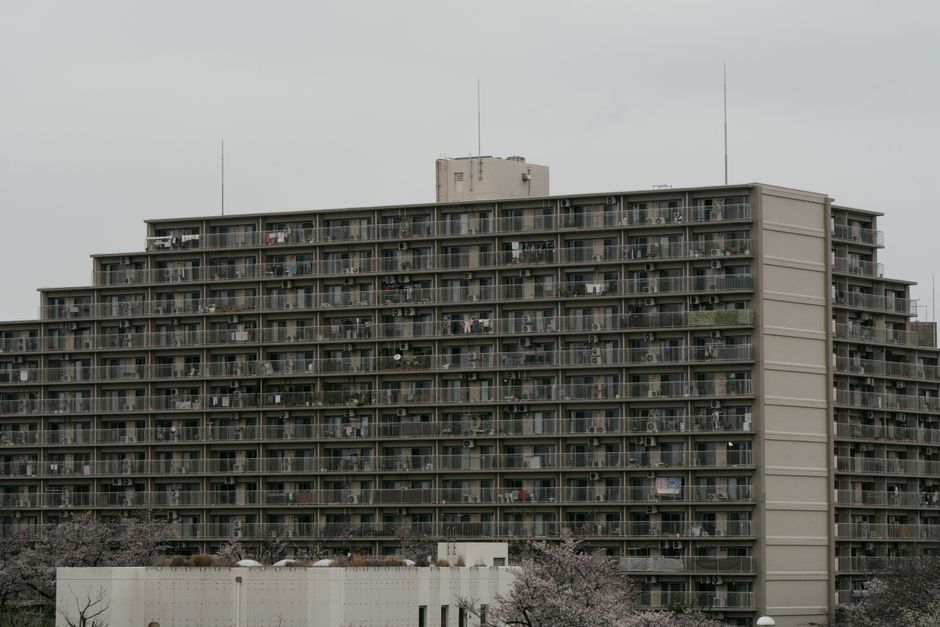
Tokyo's rental market is experiencing a peculiar bifurcation. While central Yamanote Line properties command premiums and maintain occupancy rates above 95%, outer metropolitan zones—particularly Musashino, Suginami, and parts of Nerima—are seeing vacancy climb toward 8-10%, creating vastly different pressures on tenants and landlords depending on location.
In Shibuya and Shinjuku, where average monthly rent for a modest two-bedroom hovers near ¥180,000–¥220,000, landlords hold considerable leverage. Tenants face stiffening application requirements, higher key money deposits, and competitive bidding situations that echo pre-pandemic dynamics. Real estate agencies along Meiji-dori and around Shinjuku Station report that desirable units near transport links are leased within days of listing. For landlords in these corridors, the market has become exceptionally favourable—vacancy is almost non-existent, and tenant churn remains manageable.
The story flips in family-oriented outer wards. Suginami and Musashino, popular for schools and green space, now see landlords offering incentives: reduced key money, move-in discounts, or furnished packages to attract tenants. A three-bedroom apartment in Kichijoji's quieter residential streets, once commanding ¥160,000 monthly, now advertises at ¥140,000 with two months' free rent. This shift reflects demographic trends—younger residents favour walkable inner wards with late-night dining and cultural venues, while older populations and families increasingly prefer remote-work flexibility that outer zones accommodate.
The Japan Real Estate Institute's latest data shows rental vacancy in the 23 wards averaging 5.2%, but disaggregation tells the real story. Chiyoda and Minato sit near 3%, while Adachi and Katsushika hover above 9%. For tenants, this geography matters enormously. Those searching near Ikebukuro or along the Chuo Line's western stretch now possess genuine negotiating power—something unthinkable five years ago in central Tokyo. First-time renters, students, and low-income households are gradually decamping to these zones, reducing housing stress even as inner-city affordability constraints persist.
Landlords in low-occupancy areas face difficult choices. Some are converting to student housing, corporate furnished rentals, or short-term Airbnb-adjacent models. Others are accepting lower returns or mothballing properties entirely. Meanwhile, CBD-proximate landlords are harvesting record yields, incentivizing new construction in already dense zones.
For policy observers, the divergence underscores Tokyo's uneven economic recovery. High-value inner-city real estate mirrors global capital dynamics, while outer-ward softness reflects structural shifts in where and how people prefer to live and work. Tenants seeking breathing room should look west; landlords seeking stability should stay central.
This article was compiled by AI from the sources linked above and screened before publishing. See our editorial standards.
How does this story make you feel?
Spread the word
About this article
Published by The Daily Tokyo
Daily brief
Free, in your inbox before 7am. Weekdays.
More in Property