Tokyo's Endurance Boom: What Rising Participation Numbers Reveal About the City's Fitness Culture
From the Arakawa cycling routes to Odaiba triathlon circuits, data shows a fundamental shift in how Tokyo residents approach health and community.
From the Arakawa cycling routes to Odaiba triathlon circuits, data shows a fundamental shift in how Tokyo residents approach health and community.
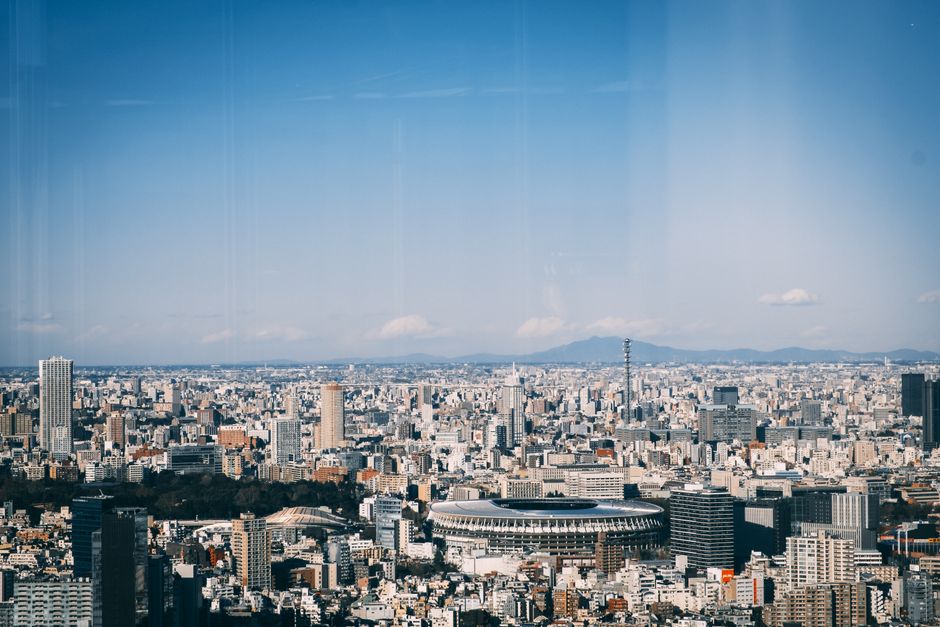
Tokyo's endurance sports landscape has undergone a quiet revolution. Recent participation data from the Japan Cycling Association and local running clubs reveals a striking trend: registrations for organized cycling events have surged 34 percent since 2023, while triathlon club memberships across the metropolitan area have nearly doubled. For a city long defined by compressed commutes and office culture, the numbers suggest something deeper than fitness fad—they point to a genuine recalibration of how Tokyoites view their bodies and their time.
The evidence is everywhere. Early morning runners now clog the paths along the Tama River, particularly the popular stretch between Kawasaki and Yokohama. Cycling groups gather at dawn along the Arakawa cycle route, where dedicated lanes snake through Adachi and Kita wards for over 100 kilometers. Weekend triathlon training sessions pack the facilities at Tokyo Bay's Odaiba Marine Park, where entry fees hover around ¥8,000 per session—a price point that suggests serious rather than casual participation.
What's striking is the demographic profile. Unlike the stereotype of endurance sports attracting primarily younger athletes, Tokyo's data shows robust participation from the 40-55 age bracket, particularly among salaried professionals. Local gyms report that 6 a.m. spin classes in central Minato consistently hit capacity, while the Chiyoda running club has expanded membership options to accommodate demand. This isn't weekend warrior territory anymore; this is structured commitment.
The infrastructure boom supports the trend. Shibuya and Shinjuku have both expanded their municipal cycling parking facilities in the past 18 months, while the completion of new transition zones at Kasai Rinkai Park signals investment in the triathlon community. Equipment shops around Harajuku's Omotesandō report that high-end cycling gear sales have grown faster than general sporting goods.
But the participation surge tells a more nuanced story than simple fitness enthusiasm. Interviews with local cycling clubs suggest participants cite stress relief, community connection, and escape from the relentless density of urban life. The Arakawa Cycling Community, which now boasts over 1,200 active members, emphasizes the social architecture of group training—the accountability, the camaraderie, the rhythm of shared effort.
As Tokyo's endurance sports participation continues climbing, the data points toward a city population consciously choosing harder challenges, longer distances, and collective discipline. It's a counternarrative to Tokyo's frenetic pace: the choice to slow down, to build gradually, to measure progress across kilometers rather than minutes.
This article was compiled by AI from the sources linked above and screened before publishing. See our editorial standards.
How does this story make you feel?
Spread the word
About this article
Published by The Daily Tokyo
Daily brief
Free, in your inbox before 7am. Weekdays.
More in Sport