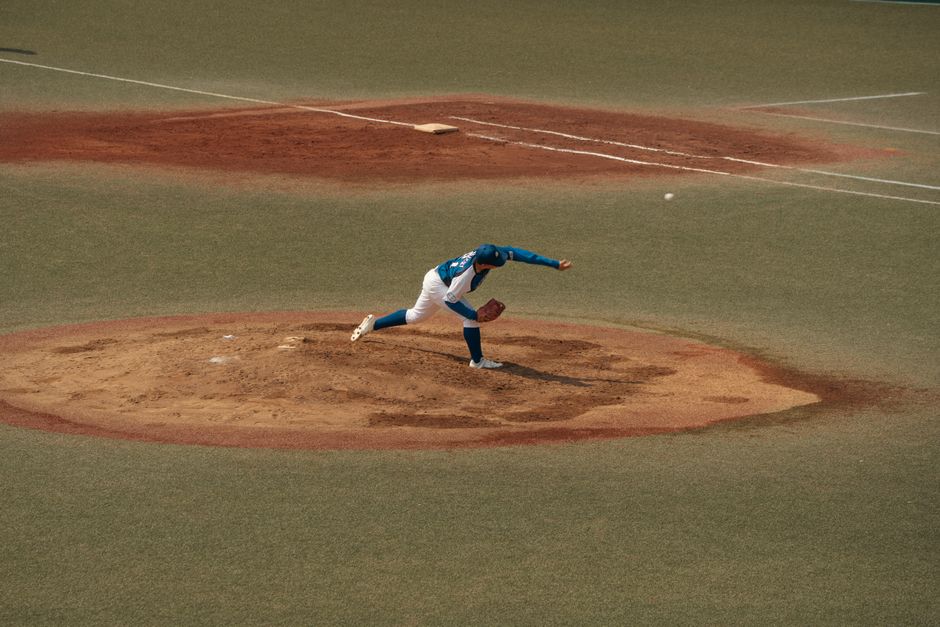
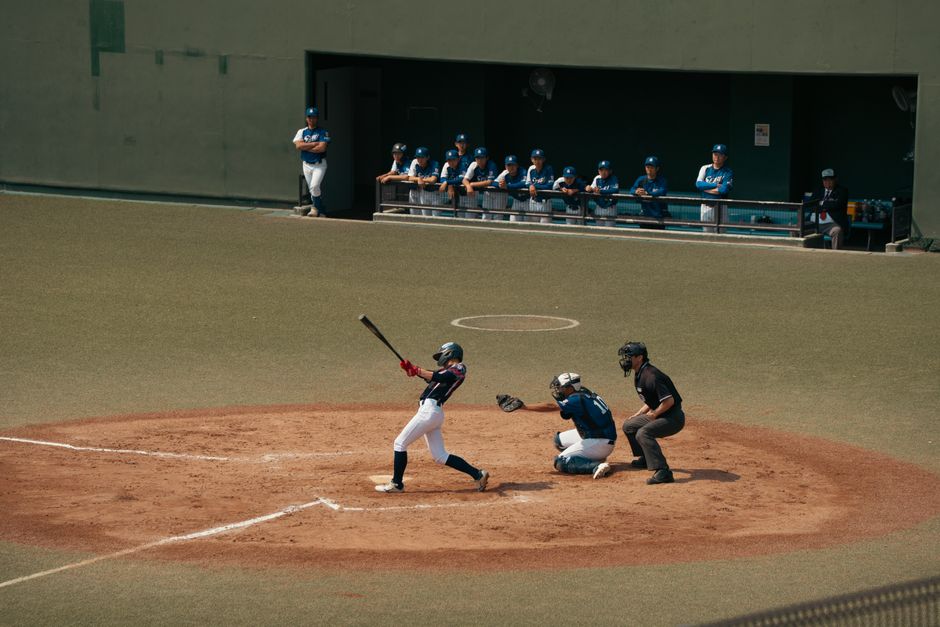
Tokyo's transformation into a sporting powerhouse rests not on singular moments but on decades of infrastructure investment that extends far beyond the glittering venues that hosted the 2020 Olympics. The city's comprehensive approach to sports facilities—from elite competition spaces to grassroots training grounds—demonstrates how urban planning and athletic ambition intersect.
The National Stadium in Shinjuku ward remains the centrepiece, its 68,000-seat capacity and cutting-edge sustainability features making it Japan's premier athletics venue. Yet the real story of Tokyo's sporting infrastructure lies in the network of facilities supporting it. The Tokyo Metropolitan Gymnasium in Minato ward, opened in 1990, continues to host everything from volleyball championships to badminton tournaments, with a seating capacity of 10,000 across multiple halls. Its location near Akabanebashi Station makes it accessible for regular users—membership fees for local residents average around ¥2,000 monthly.
Beyond these flagship venues, Tokyo operates over 80 municipal sports centres distributed across 23 wards, ensuring equitable access. The Edogawa Sports Centre in the east, recently renovated in 2024, now features six basketball courts, Olympic-standard swimming pools, and a 400-metre indoor track. Investment in such neighbourhood facilities reflects Tokyo's philosophy: elite sport thrives when community participation is robust.
The city's water sports infrastructure particularly stands out. The Sea Forest Waterway in Ariake, constructed specifically for the Olympics, now serves as Japan's primary rowing and canoe slalom facility, open to university clubs and national teams year-round. Maintenance costs run approximately ¥2.8 billion annually, funded through ward budgets and national sports grants.
Tokyo's commitment extends to emerging sports. The Roppongi Hills area now hosts multiple esports venues and climbing walls, recognising how athletic culture evolves. The city government's Sports Promotion Division allocates roughly ¥45 billion annually across facility maintenance, coaching programmes, and community initiatives—among Japan's highest per-capita spending on grassroots sports infrastructure.
What distinguishes Tokyo's approach is integration. The Kasumigaseki Country Club district in Saitama's proximity, combined with dedicated cycling routes along the Sumida River and the expansion of badminton facilities in Chiyoda ward, creates interconnected sporting ecosystems rather than isolated venues.
As other cities eye their own Olympic legacies, Tokyo's lesson is clear: championship-hosting moments fade, but thoughtfully distributed, well-maintained infrastructure sustains athletic excellence across generations and economic backgrounds.
This article was compiled by AI from the sources linked above and screened before publishing. See our editorial standards.