Getting Your Child Into Tokyo's Grassroots Sports Clubs: A Practical Guide for New Parents
From neighbourhood baseball leagues to judo dojos across Shibuya and Minato, here's what you need to know about enrolling your child in youth sports in Tokyo.
From neighbourhood baseball leagues to judo dojos across Shibuya and Minato, here's what you need to know about enrolling your child in youth sports in Tokyo.
Tokyo's grassroots sports infrastructure is among the most accessible in Japan, with over 3,000 registered youth clubs serving children from primary through secondary school. But navigating the landscape—from costs and schedules to cultural expectations—can overwhelm newcomers and expat families alike.
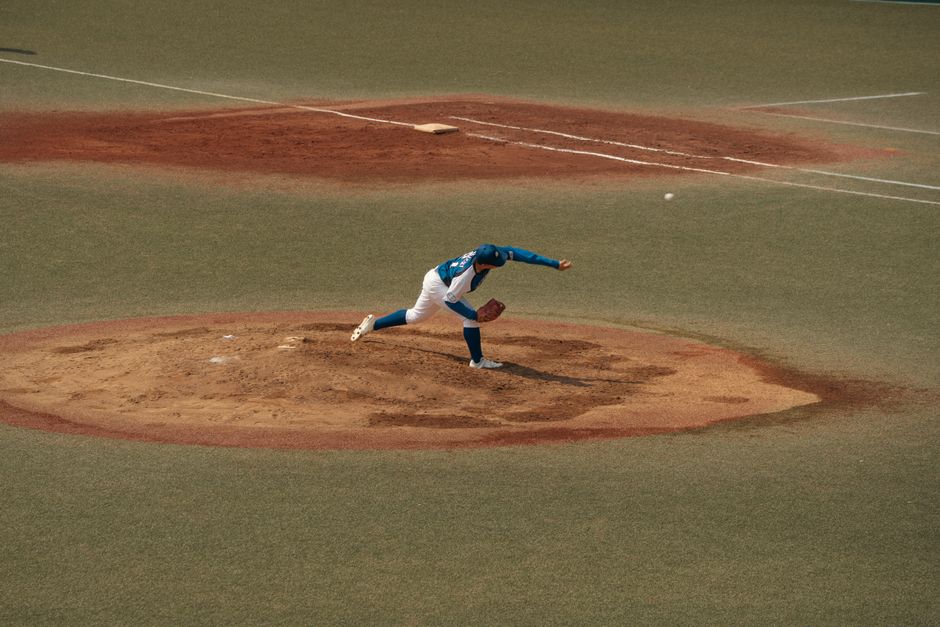
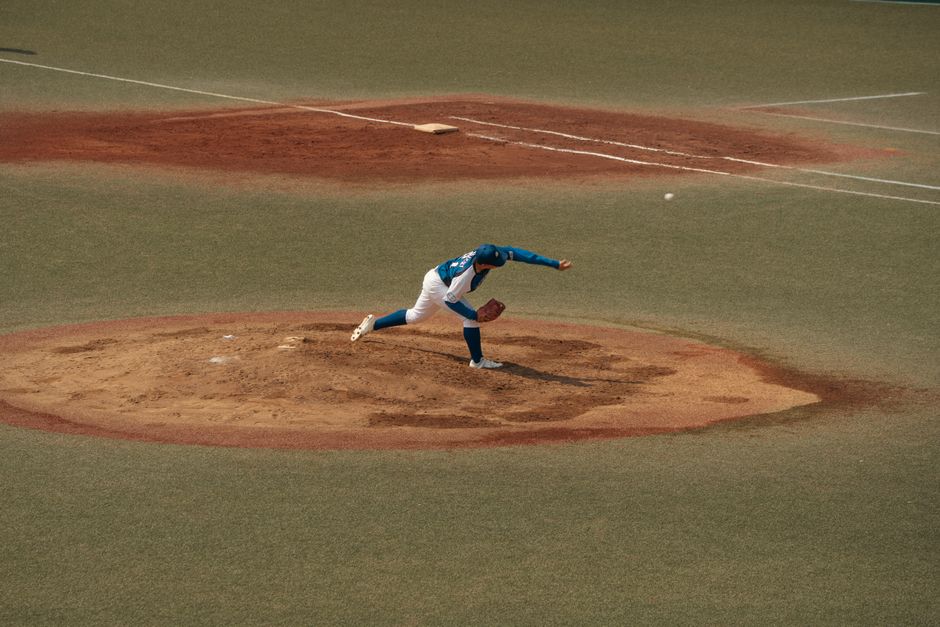
The entry point varies by sport and neighbourhood. Baseball remains the most popular pathway, with junior leagues (shōnen yakyu) operating in virtually every ward. The Minato Ward Youth Baseball Association, for example, accepts registrations from children aged six onwards, with annual fees typically ranging from ¥15,000 to ¥30,000. Equipment costs—gloves, cleats, uniforms—add another ¥20,000 to ¥40,000 for beginners.
Judo and kendo clubs cluster heavily around central wards. The Shibuya Ku Judo Federation operates several dojos, including the well-regarded facility near Harajuku Station, where monthly fees start at ¥4,000. Many clubs offer free trial sessions, typically held on weekends. This is your best opportunity to assess coaching quality, facility standards, and whether your child connects with the community before committing financially.
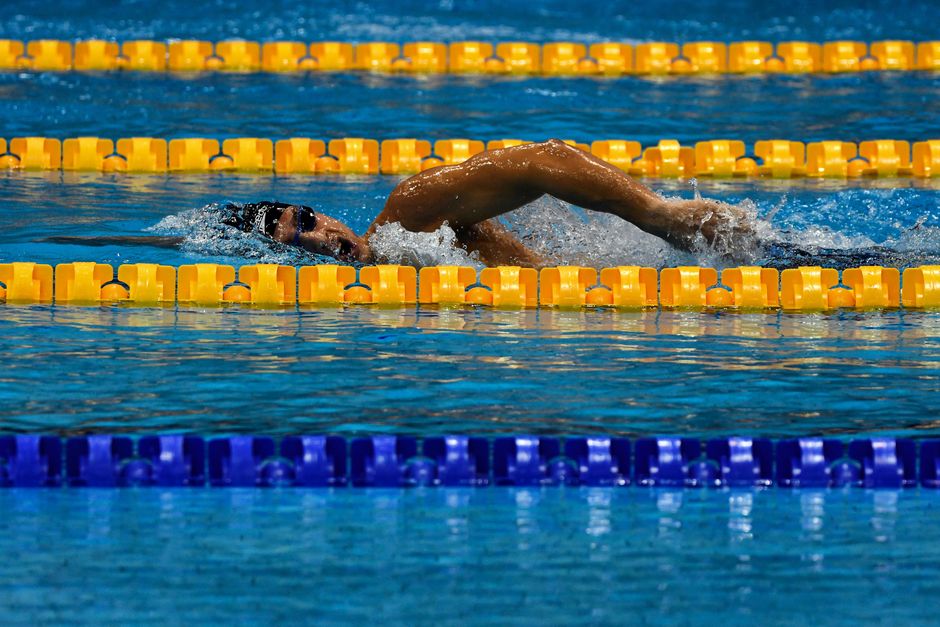
Swimming clubs (suiei kyōshitsu) fill quickly during spring recruitment. Major public pools in Chiyoda, Shinjuku, and Taito wards host affiliated clubs; monthly fees range from ¥6,000 to ¥12,000 depending on training frequency. Children are typically grouped by age and ability, so no prior experience is necessary.
Start by visiting your local ward office or checking the municipal sports association website—most have English-language directories. The Tokyo Metropolitan Government's Sports Promotion Division maintains a searchable database of registered clubs. Social media groups for expat families in Tokyo also exchange real-time recommendations about welcoming clubs and English-speaking coaches.
Expect administrative layers. Registration often requires a parent to join the club's association (usually a nominal fee) and attend occasional volunteer duties—helping at competitions or maintaining facilities. This reflects Japan's community-oriented approach to youth sport and shouldn't deter participation; these expectations are clearly communicated upfront.
Timing matters. Most clubs recruit heavily in April, aligning with the school year, though year-round enrolment is increasingly common. Autumn (September-October) offers a secondary recruitment window.
Cost remains the primary barrier. Combined fees, equipment, and competition entries can exceed ¥100,000 annually for commitment-heavy sports like gymnastics or ice skating. Scholarships and subsidies exist; ask clubs directly about discounts for multiple siblings or low-income families.
The payoff extends beyond fitness. Tokyo's youth clubs emphasize discipline, teamwork, and respect—cultural values embedded in Japanese sport. For children, whether local or newly arrived, these clubs become vital social networks and pathways to genuine community integration.
This article was compiled by AI from the sources linked above and screened before publishing. See our editorial standards.
How does this story make you feel?
Spread the word
About this article
Published by The Daily Tokyo
Daily brief
Free, in your inbox before 7am. Weekdays.
More in Sport