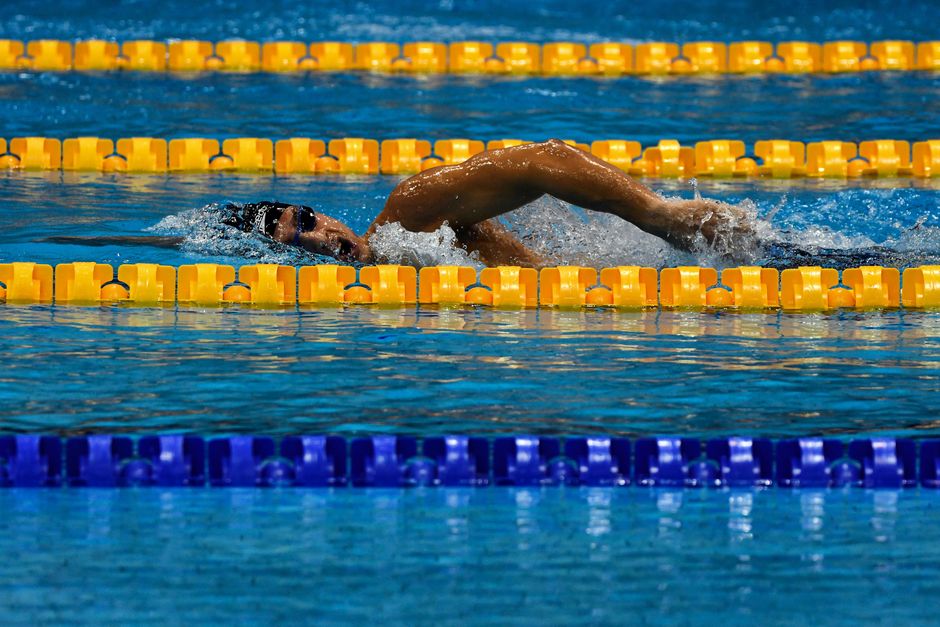
Tokyo's commitment to aquatic excellence extends far beyond the glittering Olympic venues that captured global attention in 2021. Today, a sprawling infrastructure of swimming facilities across the metropolitan area is democratising water sports access while establishing the capital as a genuine hub for competitive aquatics in Asia.
The Tokyo Aquatics Centre in Minato Ward remains the flagship facility, its 15,000-seat main pool having hosted world-class swimmers during the Games. But it is the broader ecosystem of venues that truly defines Tokyo's aquatic landscape. The metropolitan government operates 52 public swimming pools across 23 wards, with annual membership costing approximately ¥3,000 (roughly USD 20) for adults—a deliberately affordable entry point designed to encourage participation among working families.
In Shibuya Ward, the Meiji Kinenkan Sports Plaza offers Olympic-standard training pools alongside recreational facilities, drawing competitive swimmers preparing for national championships. The facility's emphasis on coach development programmes reflects Tokyo's strategic investment in human capital, not merely bricks and mortar. Meanwhile, the Tatsuta Swimming Pool in Sumida Ward serves as a crucial pathway for youth swimmers, hosting junior competitions that feed talent into elite programmes.
Private sector expansion has intensified the competition for swimmers' attention. The Konami Sports Club chain operates seven locations across Tokyo proper, each featuring 50-metre competition pools and underwater viewing galleries—a technological feature increasingly expected in premium facilities. Monthly membership ranges from ¥8,000 to ¥15,000, creating a tiered market that serves different demographic segments.
Suburban areas are catching up rapidly. The Aomi Aquatic Centre in Koto Ward, specifically designed for diving and artistic swimming, exemplifies how Tokyo's 23 wards are developing specialised facilities rather than replicating generic pools. This distributed approach reduces travel times for residents in outer neighbourhoods while creating hubs of excellence in specific disciplines.
The infrastructure expansion reflects broader participation trends. Metropolitan government data indicates that swimming participation among Tokyo residents aged 6-14 reached 38 per cent in 2025, up from 29 per cent in 2018. For water polo and diving—historically niche sports—new dedicated coaching structures and facility investments have nearly doubled participation across junior age groups.
Looking ahead, Tokyo's aquatic infrastructure faces the challenge of balancing competition with accessibility. As climate concerns prompt water conservation discussions, facility managers are implementing advanced recycling systems, with several pools now recovering 60 per cent of water usage through treatment and reuse protocols.
The capital's aquatic story is no longer defined by Olympic moments, but by the daily commitment to sustainable, inclusive facility development that serves millions of swimmers at every level.
This article was compiled by AI from the sources linked above and screened before publishing. See our editorial standards.