Breaking into Tokyo's Amateur Sports Scene: Your Complete Guide to Joining Local Leagues and Clubs
From neighbourhood softball teams in Setagaya to futsal leagues in Shinjuku, here's what you need to know to start playing.
From neighbourhood softball teams in Setagaya to futsal leagues in Shinjuku, here's what you need to know to start playing.
Tokyo's recreational sports culture is thriving. Whether you're a fitness enthusiast looking for community or someone seeking to reignite dormant athletic interests, the capital's amateur leagues and clubs offer accessible entry points for athletes of all levels and backgrounds.
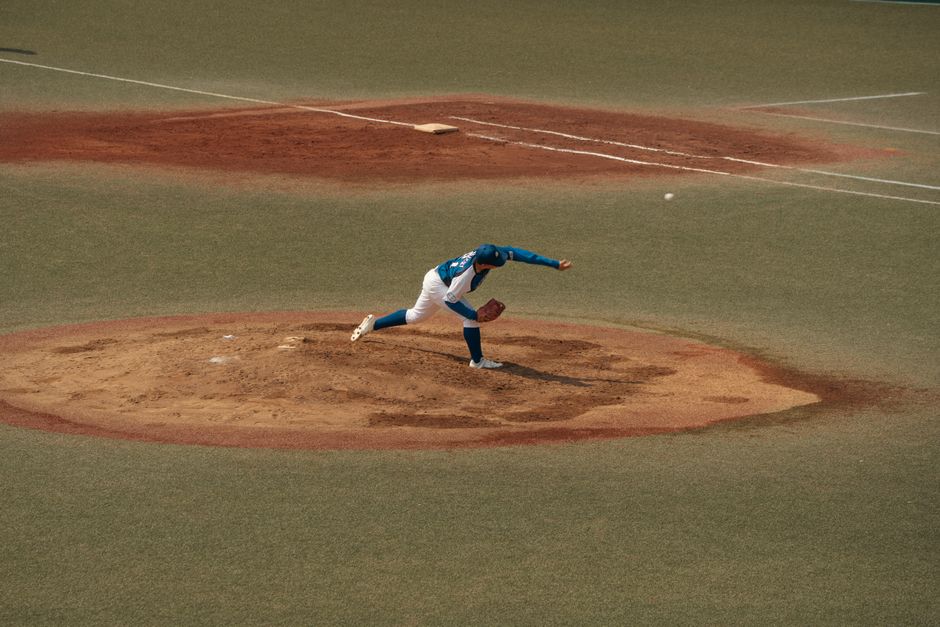
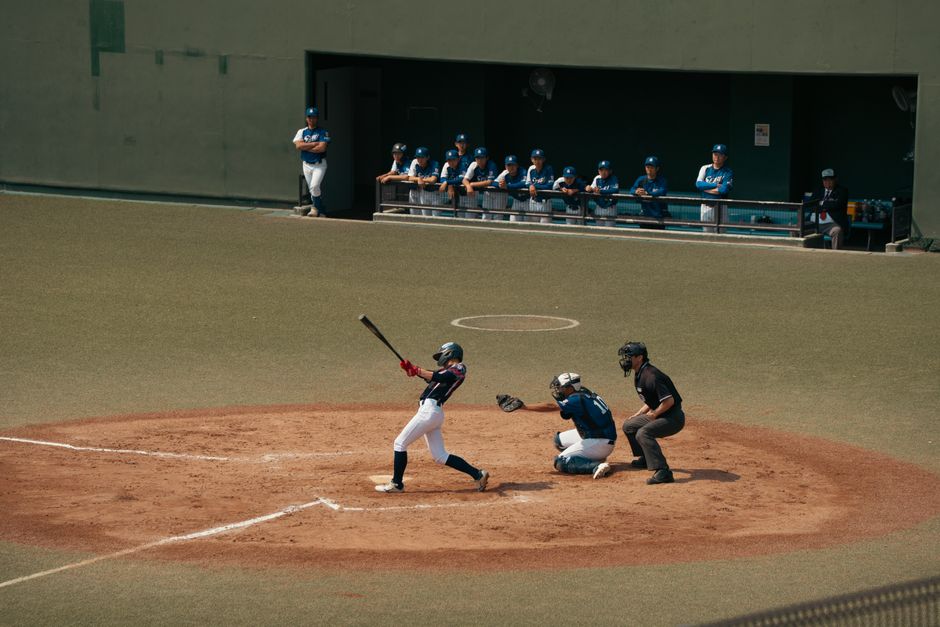
The landscape is surprisingly diverse. Futsal leagues operate year-round across major venues like the Yoyogi National Gymnasium and smaller facilities throughout Shibuya and Shinjuku. Softball and baseball clubs dominate in Setagaya and Chiyoda, where many trace roots back decades. Tennis clubs cluster around public courts in Minato and Chuo wards. Meanwhile, basketball and volleyball communities have expanded significantly in recent years, with leagues now operating in nearly every special ward.
Getting started requires understanding several entry routes. Most district sports associations (区体育協会) maintain registries of affiliated clubs and can direct newcomers toward opportunities matching their interests and skill level. The Tokyo Metropolitan Government's Sports Promotion Division website lists hundreds of registered amateur organizations, complete with contact information and membership fees. Many clubs welcome trial sessions—typically free or costing ¥1,000-¥2,000—before commitment.
Membership costs vary considerably. Casual neighbourhood clubs often charge ¥2,000-¥5,000 monthly, covering facility access and administrative expenses. Competitive league participation averages ¥3,000-¥8,000 monthly, sometimes with additional tournament fees. Equipment requirements differ by sport; futsal requires proper indoor shoes (¥5,000-¥15,000), while softball necessitates gloves and bats that clubs sometimes provide or subsidize.
Timing matters. Most clubs recruit actively in April and October, aligning with Japanese organizational calendars. However, many accept members throughout the year, particularly as winter transitions to spring. Response times typically range from several days to two weeks after initial inquiry.
The demographic reality: Tokyo's amateur sports culture has historically skewed older, with many leagues comprising players aged 40-70. However, younger participation is increasing, particularly in futsal and basketball. Most clubs explicitly welcome international residents, though Japanese language proficiency—even basic conversational ability—facilitates smoother integration.
Consider consulting with your ward's sports association office directly. Staff members understand local club ecosystems intimately and can recommend options matching your schedule, commitment level, and social preferences. Many wards maintain English-language resources, though Japanese speakers gain faster, more detailed information.
Tokyo's amateur sports infrastructure remains one of the city's underutilized assets. Thousands of established clubs actively seek participants. The barrier to entry is typically lower than perceived—often requiring only genuine interest and modest monthly investment.
This article was compiled by AI from the sources linked above and screened before publishing. See our editorial standards.
How does this story make you feel?
Spread the word
About this article
Published by The Daily Tokyo
Daily brief
Free, in your inbox before 7am. Weekdays.
More in Sport