A troubling pattern has emerged in youth sport participation across Tokyo's 23 wards. According to the latest survey from the Tokyo Metropolitan Government's Sports Promotion Division, registration numbers at grassroots clubs have declined by 18 percent over the past four years—a trend that contradicts the nation's reputation for athletic discipline and wellness.
The data paints a stark picture. Youth enrolment at traditional establishments like the Chiyoda Ward Youth Sports Centre in Marunouchi dropped from 2,847 active members in 2022 to 2,341 this year. Similar declines plague community clubs in Shibuya, Shinjuku, and Minato wards, where competition for young participants has intensified dramatically.
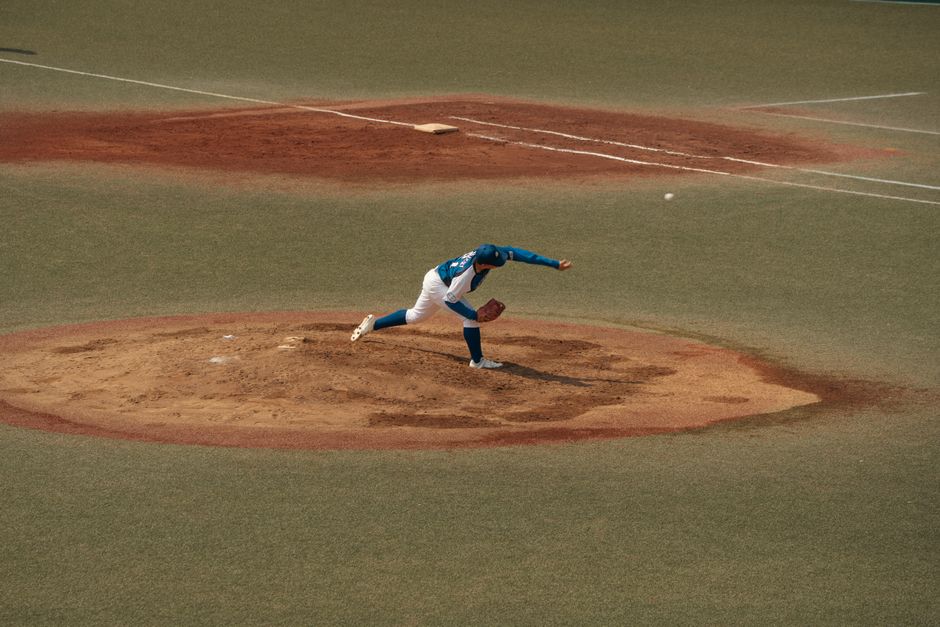
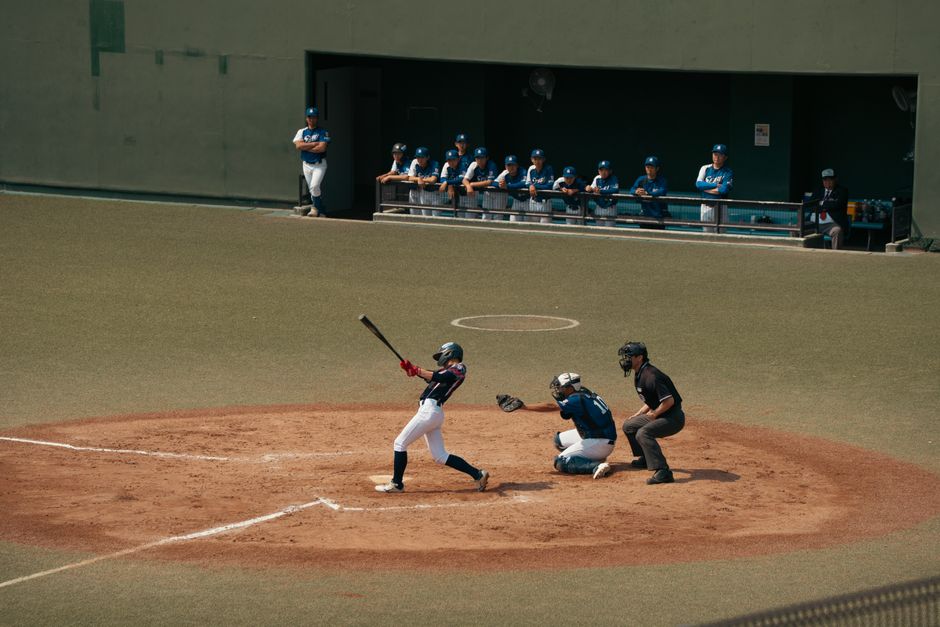
What's particularly revealing is where the erosion is happening. Team sports—baseball, volleyball, basketball—show the steepest declines, down 22 percent. Individual pursuits like judo and kendo have stabilised, while swimming clubs remain relatively resilient. The Tokyo Aquatic Centre in Adachi Ward actually grew membership by 3 percent, bucking the trend. Yet even this modest gain masks deeper challenges: fees have risen to ¥8,500–¥12,000 monthly, pricing out families already stretched by Tokyo's astronomical living costs.
Club operators in Setagaya and Meguro wards report that scheduling conflicts with cram schools and gaming activities now dominate conversations with parents. At the Nerima Community Sports Association, administrators acknowledge that competitive digital entertainment has reshaped childhood expectations. A generation raised on esports tournaments views traditional athletics differently.
The shift has profound implications. Fewer grassroots players mean diminished pipelines for school teams and, eventually, professional development. Coaches report difficulty finding qualified young talent for competitive pathways—a concerning signal for Olympic sports infrastructure dependent on early recruitment.
Yet the data offers nuance. Informal, low-commitment activities—weekend hiking groups in the Okutama mountains, casual futsal sessions in Minato's indoor courts, parkour meetups near Yoyogi Park—are attracting participants who reject formal club structures altogether. These unregistered activities likely represent thousands of young Tokyoites remaining physically active outside traditional systems.
The real story, then, isn't that Tokyo's youth are universally sedentary. Rather, participation has fragmented. Traditional grassroots clubs, which once served as the backbone of youth fitness culture, now compete with fragmented, informal alternatives and screen-based leisure. For sports administrators and policymakers, the challenge is clear: restructure offerings to match contemporary preferences, or watch participation decline further.
This article was compiled by AI from the sources linked above and screened before publishing. See our editorial standards.